The problem
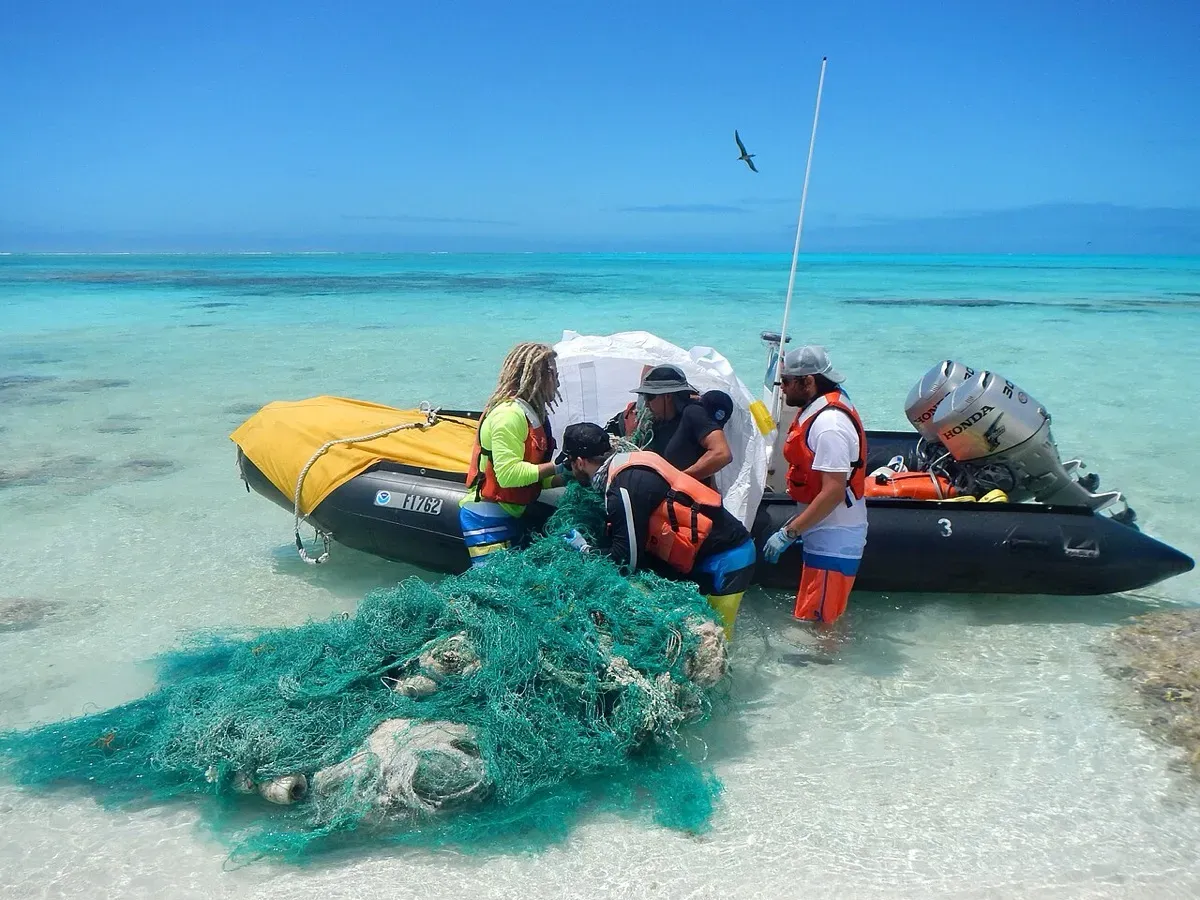
Flexible packaging, the thin films used for carrier bags, e-commerce mailers, garment covers and fruit and vegetable bags, is one of the hardest plastics to recycle. Films are light, often dirty and frequently made of several layers, so most of them end up burned, landfilled or lost to the environment. Paptic estimates the global flexible packaging market at more than EUR 200 billion a year, with about 70% of it made of plastics (Paptic).
Ordinary paper is not a simple swap. It tears when wet or stretched, makes a loud crinkle, gives paper cuts and does not fold back into a small, reusable shape. Bioplastics replace the fossil raw material but often do not fit existing recycling systems, and can be harder to recycle than the plastics they replace, as Paptic’s co-founder Tuomas Mustonen has pointed out.
The product
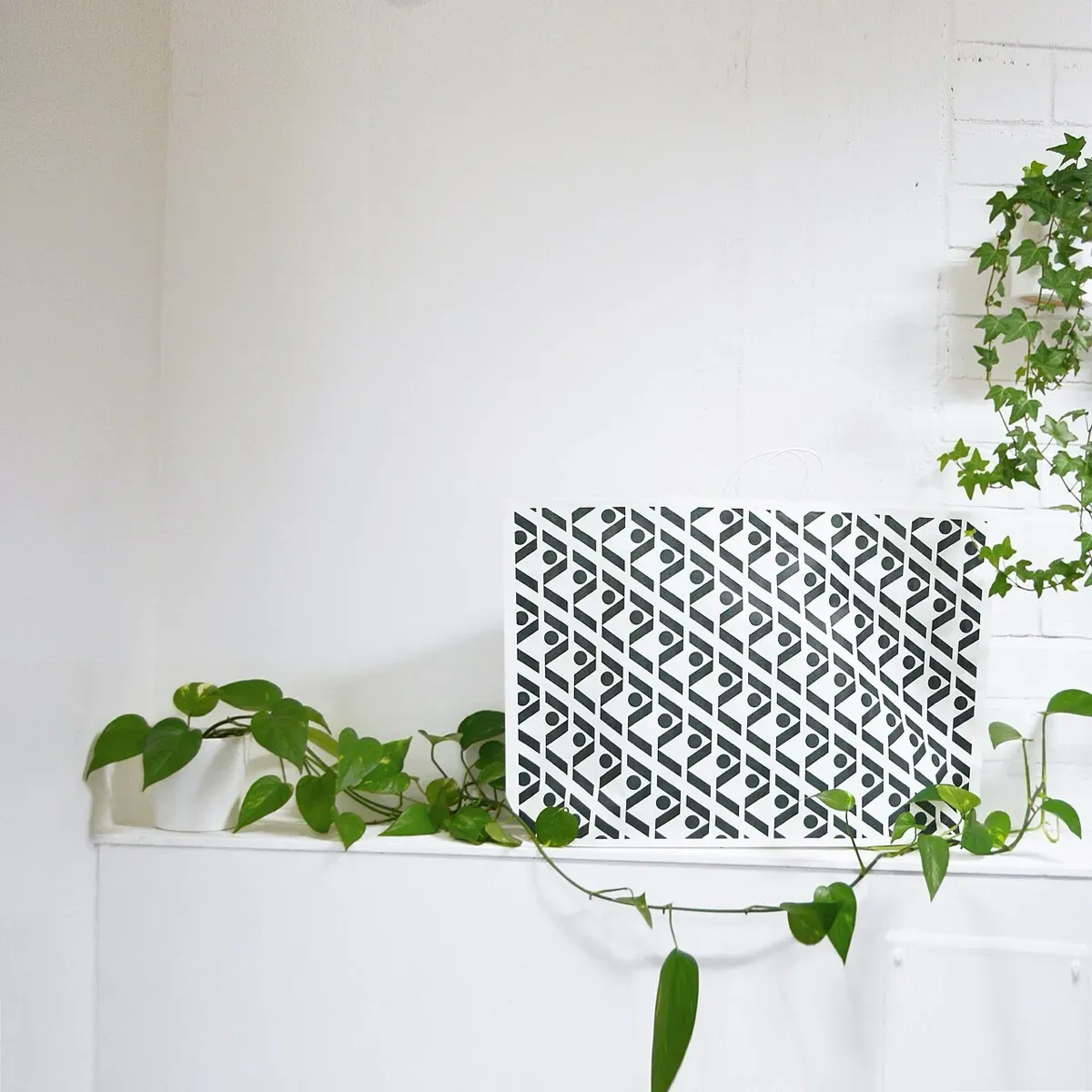
Paptic makes a family of wood-fibre materials that sit between paper and plastic. Paptic Tringa, the premium grade, comes in 80, 110 and 140 gsm reels up to 2,600 mm wide. It is tear-resistant, moisture-resistant in humid conditions, soft, quiet and can even be stitched, so converters can add zips, buttons and rivets. Paptic says it allows “dozens of reuses” and runs on existing printing and converting lines (Paptic Tringa). Paptic Sterna is a two-sided grade for high-volume mailers and carrier bags.
Both grades are monomaterials with no plastic coating or lining. Paptic says they are classified as paper under ISO 4046-3, count as non-plastic under the EU Single-Use Plastics Directive and are recyclable with cardboard and packaging paper under EN 13430. Tringa and Sterna carry the OK Biobased four-star certificate, and the fibre is FSC certified (Paptic).
Customers include Finnish retailers Stockmann and Kekäle, the fashion brand COS for T-shirt packs and, since September 2026, Kesko’s Pirkka shopping bag, now sold in all 85 K-Citymarkets and many smaller K-stores after a 2024 pilot. On 17 September 2026 a foldable Paptic shopping bag won a ScanStar award from the Scandinavian Packaging Association, whose jury praised a foldability “not possible with a conventional paper bag” (Paptic).
How it works
- Wood fibres, not polymer: the base is sustainably sourced wood pulp, the same raw material as paper.
- Foam forming: instead of spreading fibres in water, as in normal papermaking, Paptic’s process uses foam. This technology, developed at VTT, gives a bulkier, more flexible fibre network with better tear resistance and a textile-like feel.
- Partner mills: the material is produced on industrial machines of partner paper mills, and Paptic sells reels to a global network of converters who make the final bags and mailers.
- Reuse first: bags and mailers are designed to be used many times, then go into the paper and board stream, where they break down into fibres like normal paper.
Timeline
| Date | Milestone |
|---|---|
| 2013 | Founders start work on a paper that behaves like plastic at VTT |
| Apr 2015 | Paptic Ltd founded |
| Jun 2016 | First Paptic bags in Seppälä stores |
| Dec 2018 | Industrial-scale Paptic material available |
| 2022 | Revenue peaks at about EUR 10.8 million |
| 4 Sep 2023 | EUR 23 million growth financing, incl. ECBF, Ecolab and a EUR 10 million Finnish Climate Fund capital loan |
| 12 May 2026 | Kekäle switches its shopping bags to Paptic |
| 12 Aug 2026 | EU Packaging and Packaging Waste Regulation starts to apply |
| 16 Sep 2026 | Pirkka bags in all 85 K-Citymarkets |
| 17 Sep 2026 | ScanStar 2026 award for the foldable bag |
Impact and numbers
- Reach: Paptic says its materials have been delivered to more than 50 countries, and in 2023 it had more than 100 customers worldwide (Paptic).
- Financing: the 2023 round brought in ECBF, Ecolab and Itochu, plus a EUR 2.5 million European Innovation Council grant and a EUR 10 million Finnish Climate Fund capital loan to scale up foam-based manufacturing.
- Market: Paptic estimates that in almost half of flexible packaging uses, plastic could be replaced by its materials.
- Finances: Finnish credit data show revenue of EUR 10.78 million in 2022, EUR 7.26 million in 2023, EUR 6.19 million in 2024 and EUR 3.91 million in 2025, with an operating loss of EUR 5.3 million in 2025 and 39 employees (Asiakastieto).
Honest caveats. Paptic’s sales have shrunk for three years in a row, and its 2025 revenue of EUR 3.9 million is far from the EUR 100 million it targeted for 2026 in 2023. The company has strengthened its management team (July 2026) and talks about a “next phase of growth”, but it is still a small, loss-making firm that depends on investors. Recyclability with paper is the company’s own assessment against standards; real recycling depends on consumers putting bags in the right bin. A fibre bag is not automatically lower-carbon than a reused plastic bag: the benefit depends on how many times it is used and on the fibre source, and Paptic does not publish a full public life cycle comparison on its product pages. Some claims, such as biodegradability, matter less than reuse and recycling, and should not encourage littering.
What’s next
Paptic is developing a next-generation foam-forming technology to make new kinds of fibre packaging, beyond its current flexible grades, and is focused on reuse-friendly bags and e-commerce mailers. The EU’s Packaging and Packaging Waste Regulation, in force since February 2025 and applying from 12 August 2026, will add recyclability, minimisation and reuse rules from 2028 to 2030, which could favour monomaterial fibre packaging (EUR-Lex).
Why it matters for Europe / green buyers
For European retailers and brands, Paptic offers a way to remove plastic film from bags and mailers without changing printing and converting lines, while staying within Europe’s paper recycling system, which is far more developed than film recycling. Kesko’s national roll-out shows that a reusable fibre bag can work at supermarket scale. Buyers should still ask for reuse data and a life cycle assessment for their use case.
India banned plastic carry bags thinner than 120 microns from 31 December 2022, along with many single-use plastic items, which created demand for paper and fibre alternatives (PIB). Paptic does not have a production base in India, but its model, a reusable bag made from fibre that fits paper recycling, is directly relevant to Indian retailers and e-commerce sellers looking beyond flimsy paper bags.
Sources & image credits
- Paptic, “Our story”: https://paptic.com/company/our-story/
- VTT, “Paptic combines the best of plastic and paper into a recyclable alternative to plastic”, 17 November 2023: https://www.vttresearch.com/en/news-and-ideas/paptic-combines-best-plastic-and-paper-recyclable-alternative-plastic
- Paptic, “Paptic Ltd raises EUR 23 million in financing”, 4 September 2023: https://paptic.com/news/paptic-ltd-a-sustainable-packaging-materials-innovator-raises-eur-23-million-in-financing-to-accelerate-the-development-of-packaging-materials-and-scale-up-its-ability-to-serve-global-customers/
- Paptic, “Paptic Tringa” product page: https://paptic.com/materials/paptic-tringa/
- Paptic, “Designed to fit circular economy”: https://paptic.com/sustainability/sustainable-products/
- Paptic, “A ScanStar packaging competition 2026 win for Paptic Ltd”, 17 September 2026: https://paptic.com/news/a-scanstar-packaging-competition-2026-win-for-paptic-ltd-foldable-bag/
- Paptic, “Kekäle chose Paptic fibre-based bags”, 12 May 2026: https://paptic.com/news/kekale-chose-paptic-fibre-based-bags-to-meet-todays-consumer-expectations-and-support-brand-image/
- Suomen Asiakastieto, Paptic Oy financial data 2021 to 2025: https://www.asiakastieto.fi/yritykset/fi/paptic-oy/26776296/taloustiedot
- EUR-Lex, Regulation (EU) 2025/40 on packaging and packaging waste: https://eur-lex.europa.eu/eli/reg/2025/40/oj
- Press Information Bureau, Government of India, ban on identified single-use plastic items from 1 July 2022: https://www.pib.gov.in/PressReleasePage.aspx?PRID=1837518&lang=2®=3
Images:
- “Stockmann kassi Paptic” by Valtteri Pussi, 2020, licensed under CC BY-SA 4.0 (https://creativecommons.org/licenses/by-sa/4.0), via Wikimedia Commons: https://commons.wikimedia.org/wiki/File:Stockmann_kassi_Paptic.jpg