Agriculture

5Insights
8UN goals

Insights

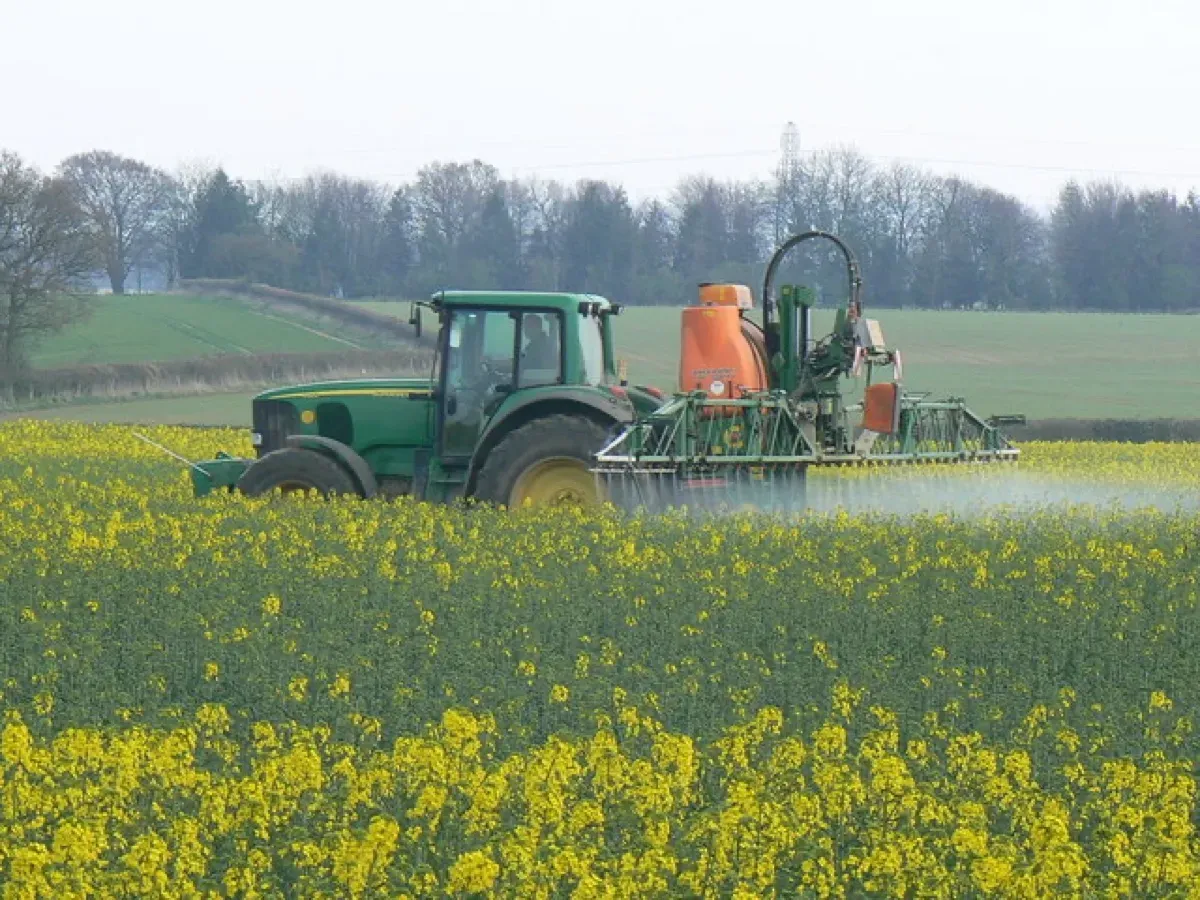
Ecorobotix ARA: the Swiss sprayer that looks at every plant before it sprays

Most crop sprayers treat a field like a single surface. ARA, built by Ecorobotix in the Swiss town of Yverdon-les-Bains, photographs the ground as it moves, decides in a fraction of a second which plants are crop and which are weeds, and fires a dose onto a square about 6 centimetres wide. Five years after launch, 1,000 machines are working in Europe, the Americas and Australia, and the company is now assembling them in Kansas.
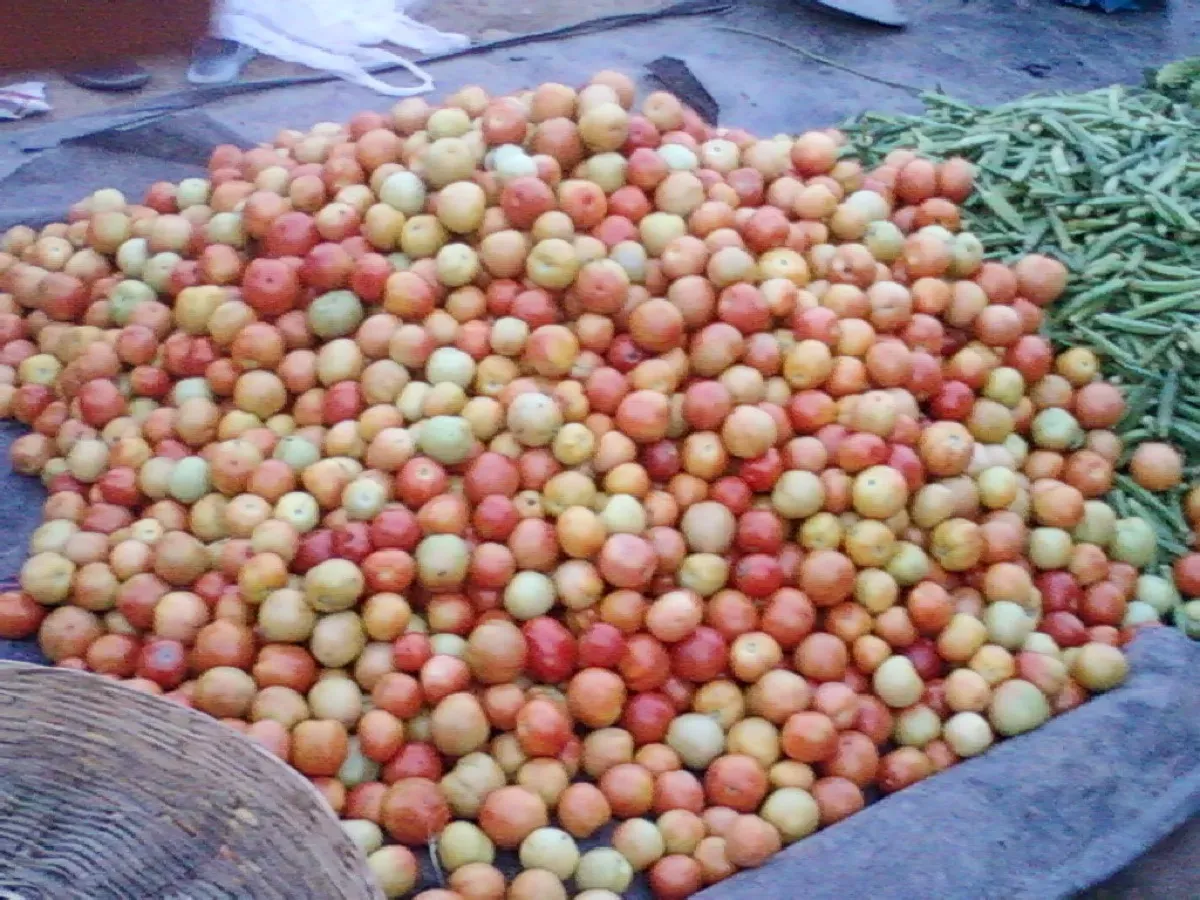
Ecozen Ecofrost: the battery-free solar cold room built for India's smallholders

Three IIT Kharagpur graduates asked why a farmer should sell tomatoes cheap just because there is nowhere cool to keep them. Their answer, Ecofrost, is a farm-gate cold room that runs on sunlight and stores cold rather than electricity, so it needs neither a grid connection nor a battery. Twelve years on, the Pune company behind it has grown into a profitable climate-tech business with revenue above Rs 1,000 crore.

FarmDroid FD20: the Danish solar robot that remembers every seed it sows

Weeds hit hardest in the first weeks after sowing, when sugar beet and onion seedlings are tiny. Conventional farms answer with herbicide, organic farms with crews of hand weeders. FarmDroid, from Vejen in Denmark, built a slow, light, solar-powered robot that records the GPS position of every seed it plants and then comes back to hoe around each one. More than 500 now work in 26 countries, and a bigger sibling arrives in January 2027.

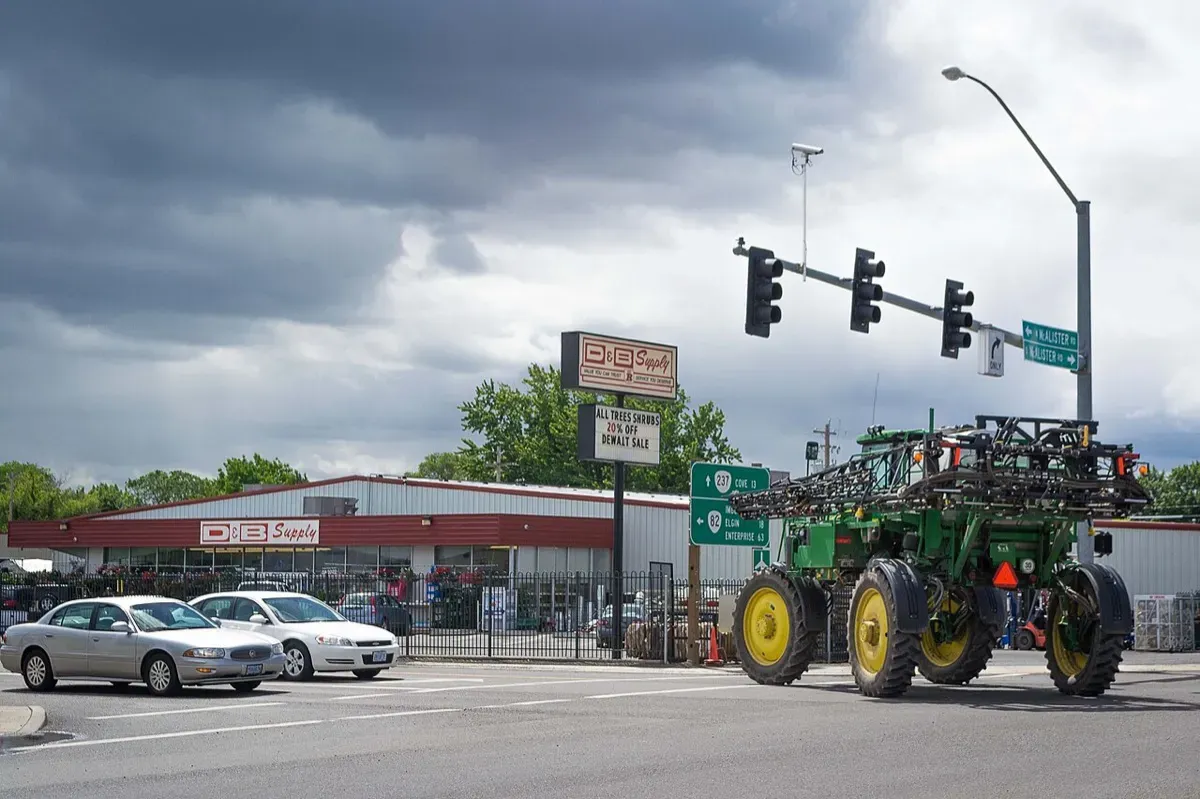
John Deere See & Spray: cameras that let a giant sprayer aim at single weeds

The world's best-known farm machinery brand taught its big sprayers to spot a weed at 15 miles an hour and fire only the nozzle above it. In 2025 farmers used See & Spray on more than five million acres and cut non-residual herbicide by nearly half. For model year 2027 Deere has merged its three versions into one, added wheat, barley, canola and sugar beet, and says factory orders are nearly doubling.

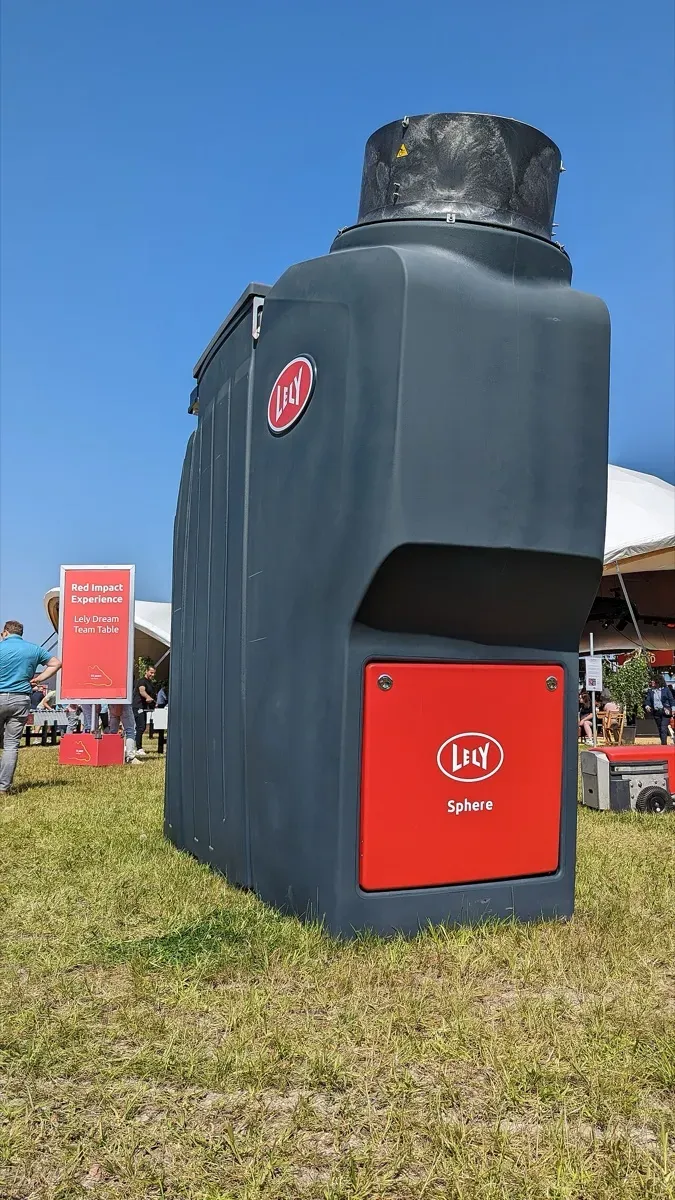
Lely Sphere: the Dutch barn system that turns cow-shed ammonia into fertiliser

In a dairy barn, ammonia starts forming within hours once urine meets dung. In the Netherlands, that gas settles on protected nature and has frozen farm permits since 2019. Lely, the family firm best known for milking robots, built a barn system that keeps urine and dung apart, pulls the gas out of the manure pit and binds it into a liquid fertiliser. In February 2026 a Dutch province granted the first final nature permit based on it.