
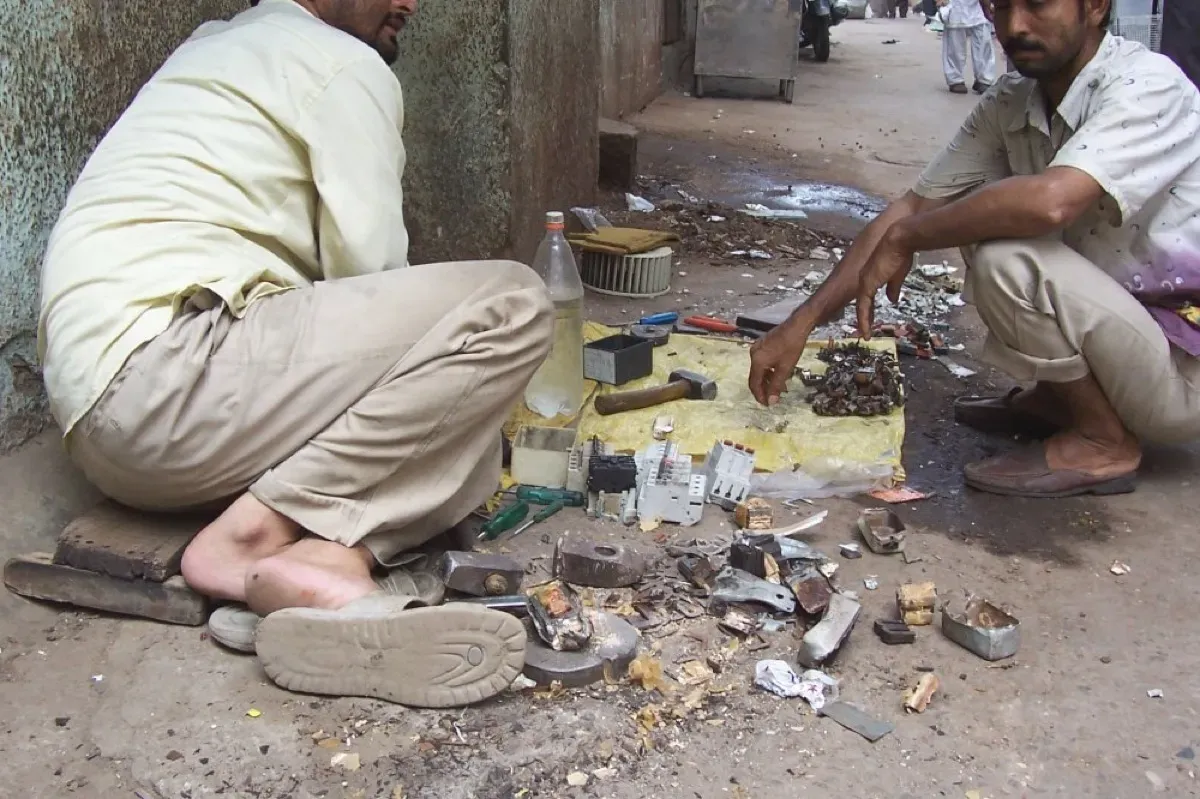
Attero: India's e-waste and battery recycler turning old devices into battery-grade metals
India generated almost 14 lakh tonnes of e-waste in 2024 to 25, and its electric vehicle boom will soon add a wave of spent lithium-ion batteries.
India generated almost 14 lakh tonnes of e-waste in 2024 to 25, and its electric vehicle boom will soon add a wave of spent lithium-ion batteries.
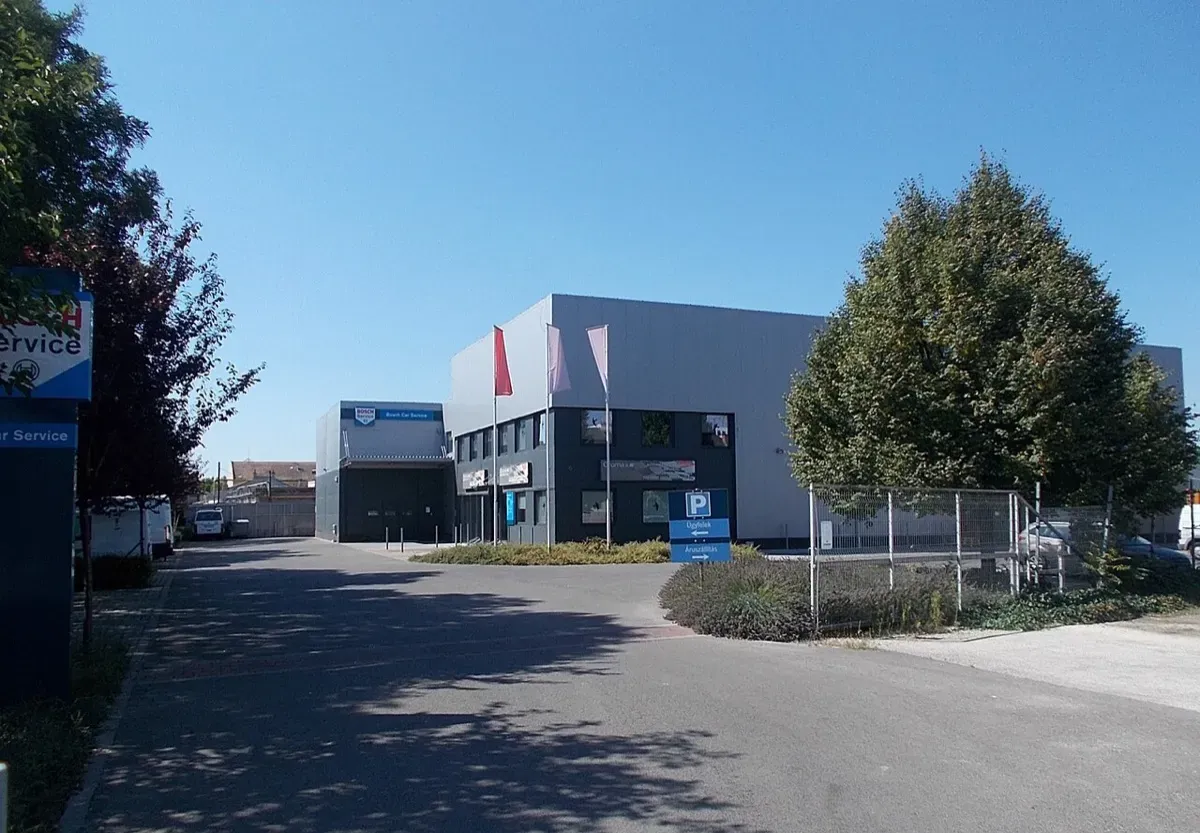
Every year millions of starters, alternators and steering systems are replaced in European workshops, and most of the metal in them is still perfectly good.

Most smartphones are replaced after a few years, and the cobalt, gold and rare earths inside them are rarely recovered.
Materials science · Circular materialsAbout Indorama VenturesKH Editions
Indorama’s recycled polyester yarn on KH Editions’ New York looks shows circularity as industrial design culture — not a charity runway.
PressMaterials science · Circular materialsAbout Indorama VenturesKH Editions
Recycled PET yarn meets Thai streetwear on a New York runway — circularity as design craft, not charity staging.
Nylon is in our carpets, swimwear, jackets and car seats, yet almost all of it is made from oil and ends up burned or landfilled.
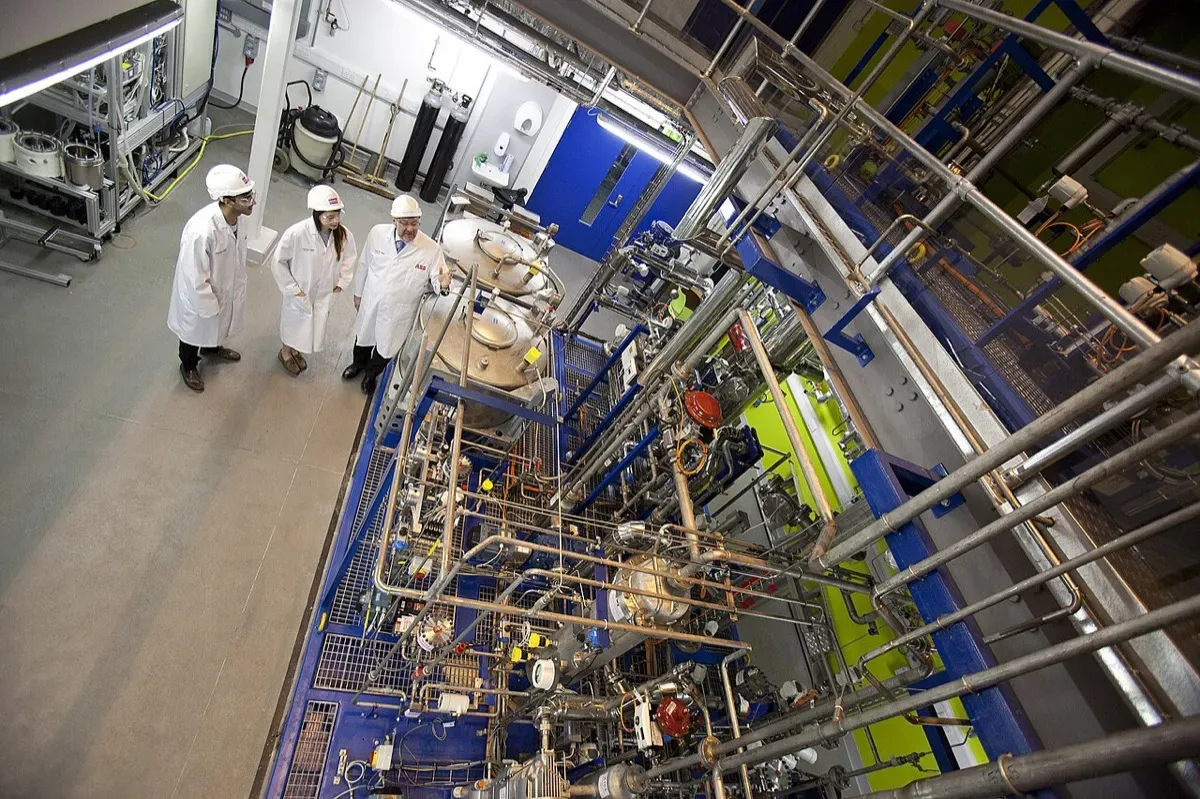
About Carbon Clean Solutions
Conventional carbon capture plants are dominated by absorber and stripper columns that can tower dozens of metres high and take years to build.
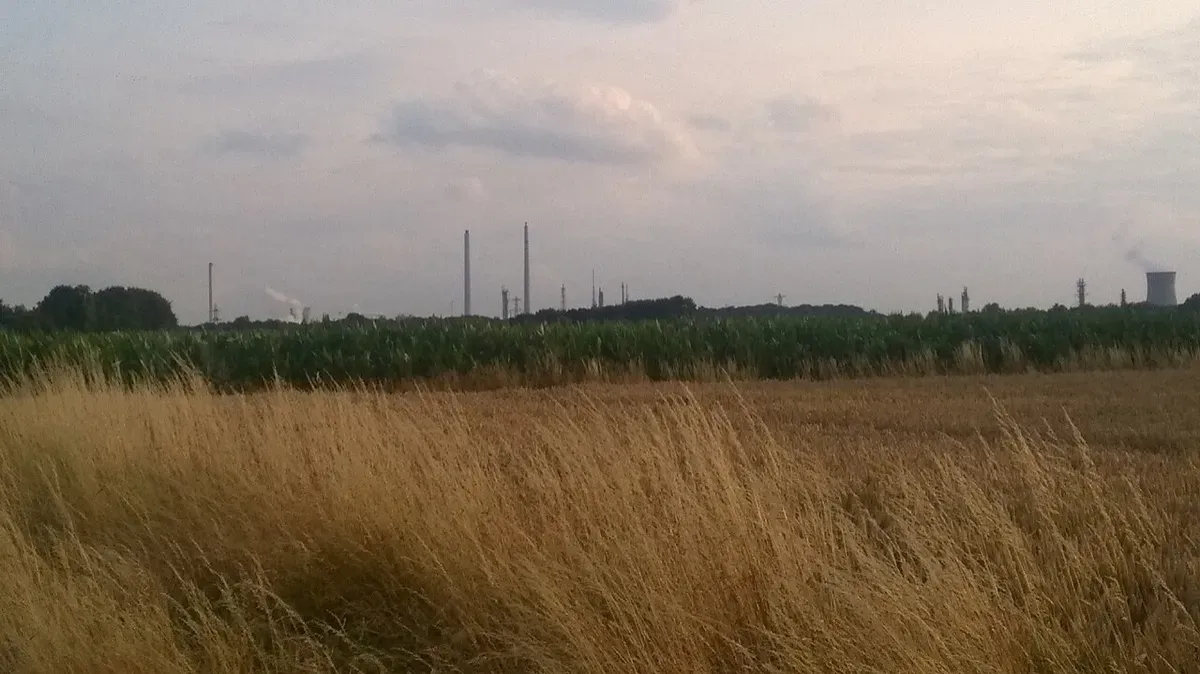
Most of heavy industry's emissions come from burning coal, gas and oil to make high-temperature heat, a job that ordinary electric heaters cannot do.
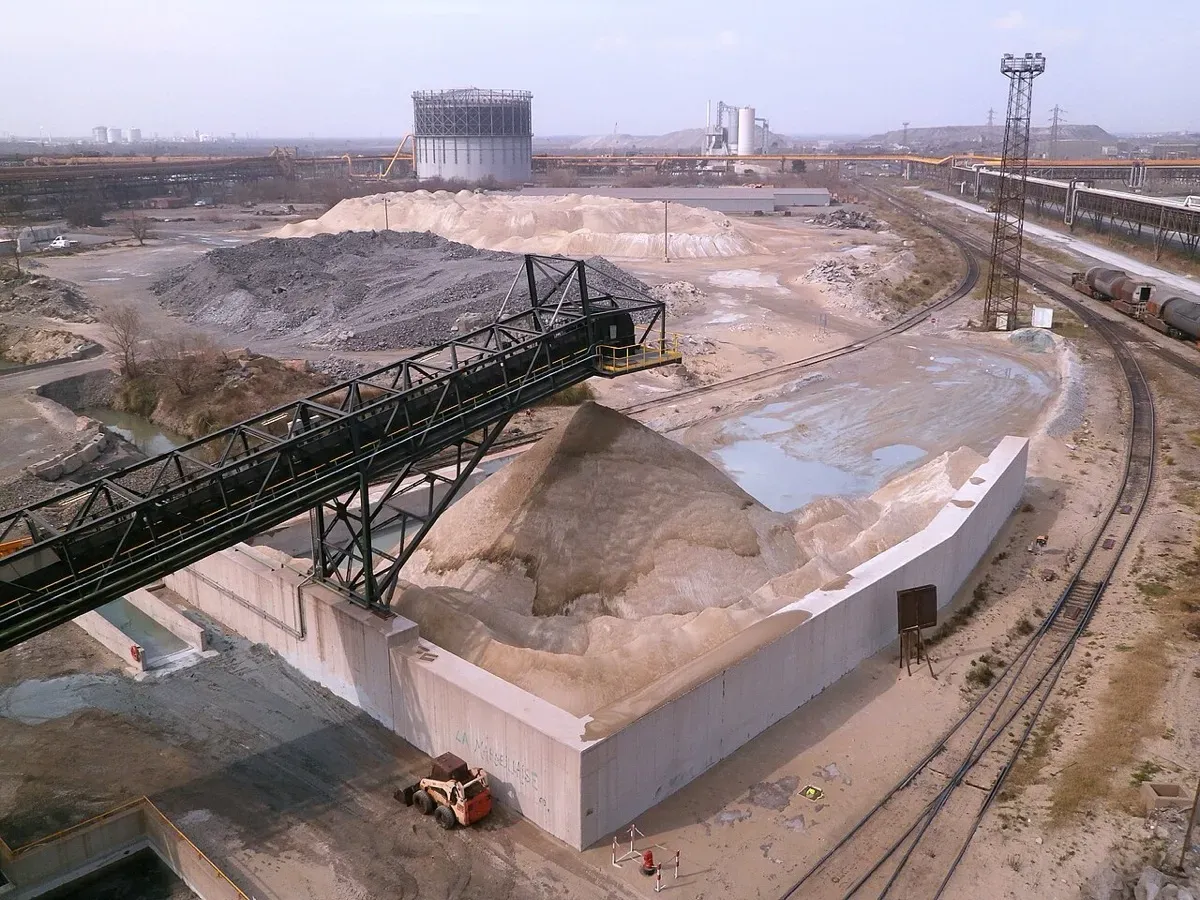
Cement is responsible for around 8% of global CO2 emissions, mostly from making clinker in giant kilns.

Materials science · Recyclable productsAbout Le Méridien Maldives Resort & SpaPatémar +1
A Maldives resort collaboration with Bali-made Patémar puts recycled-plastic swim shorts beside reef education — retail as conservation touchpoint.
Retort pouches, the foil-lined packs used for wet cat food, ready meals and microwave rice, are cooked inside the pack and keep food safe for months without a fridge.
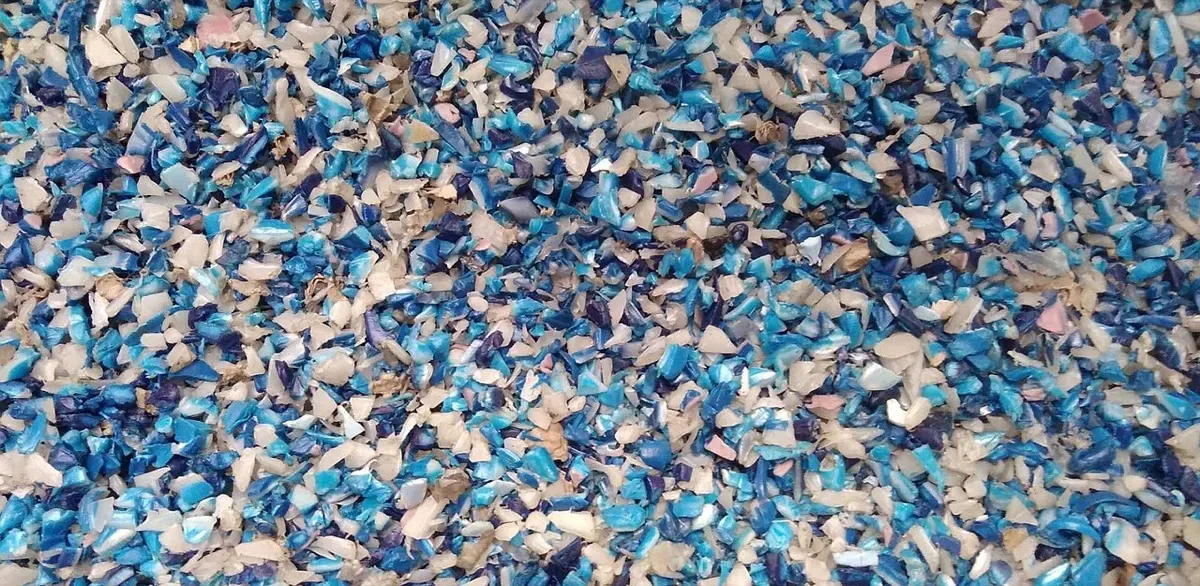
Most of India's plastic recycling happens in small, informal units that turn used bottles into low-grade granules for buckets and pipes.
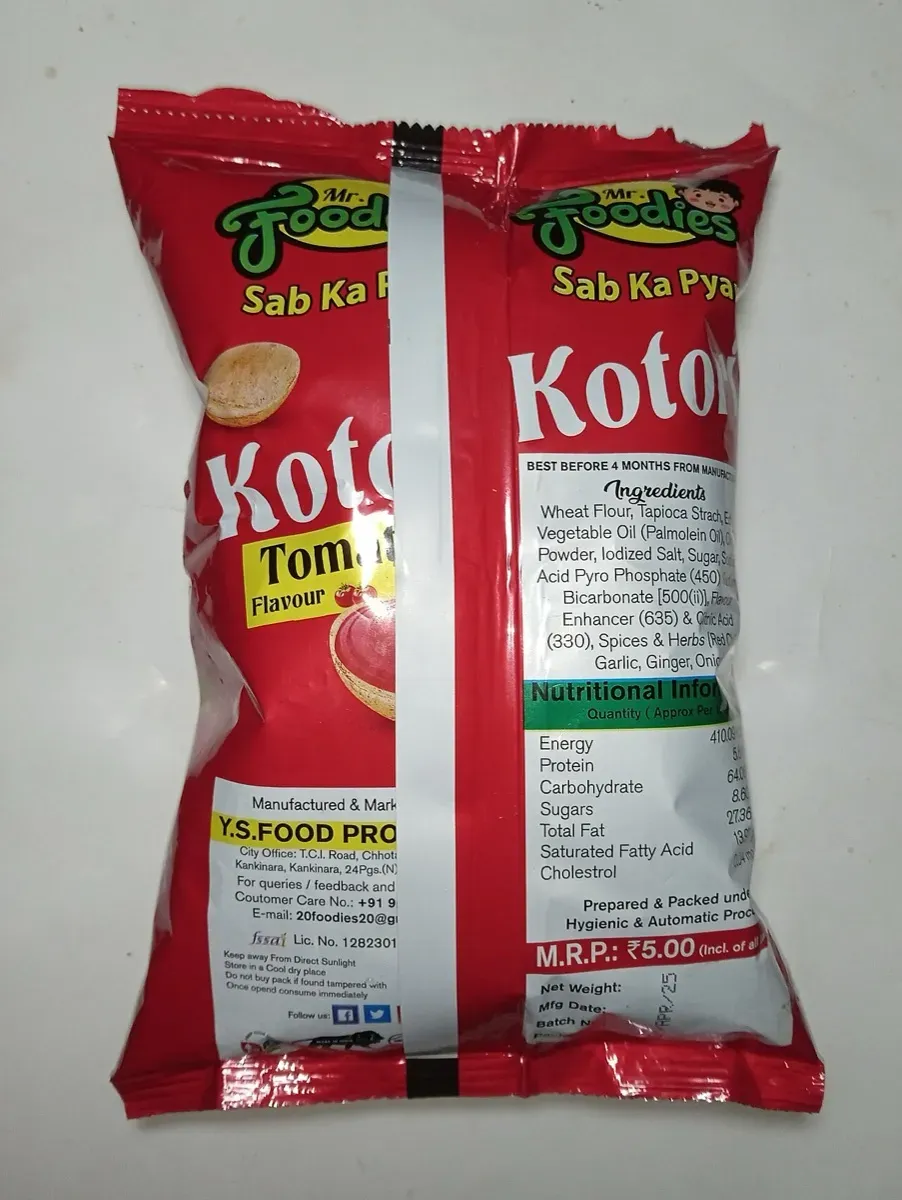
Chip packets are among the hardest plastics to recycle, and a deodorant stick is usually thrown away every two months.
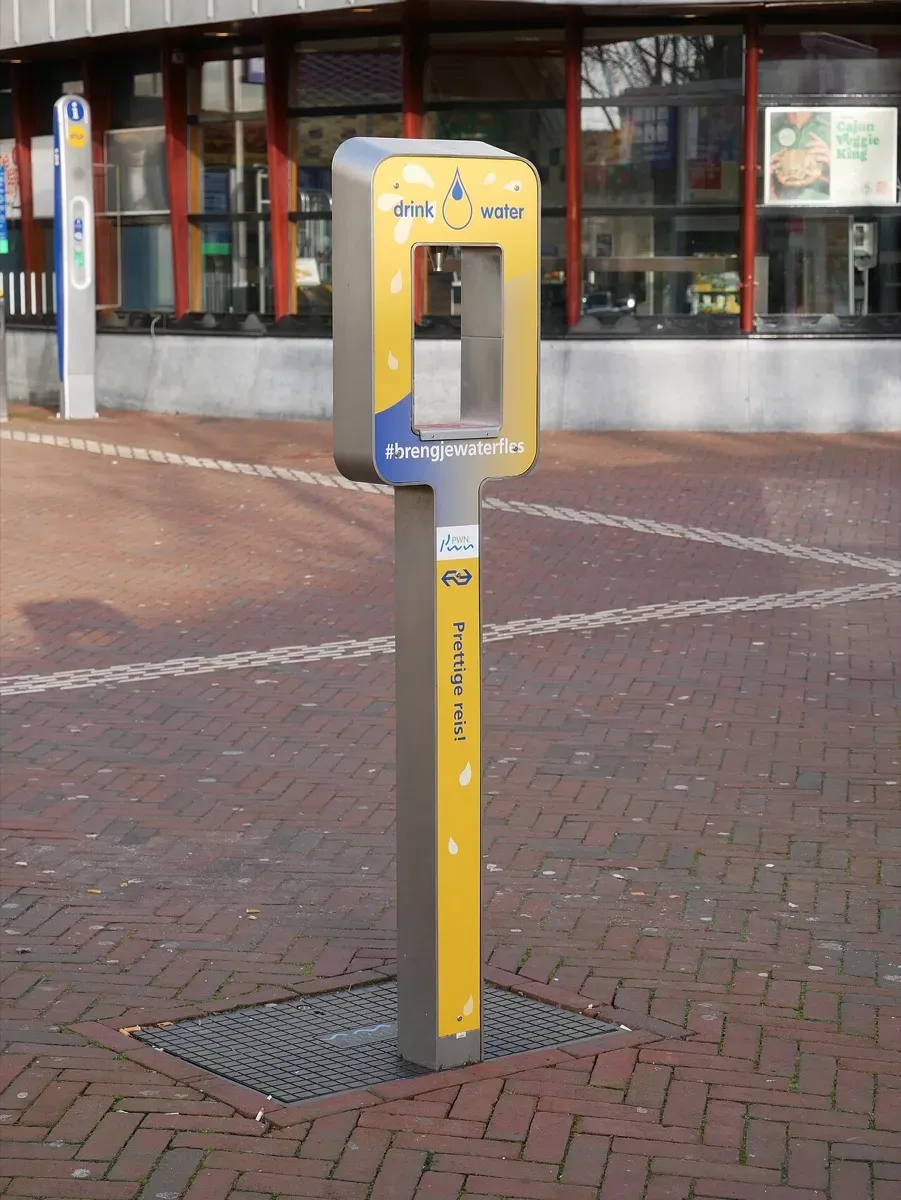
Europe sells billions of bottles of water each year, most in single-use plastic, even where tap water is safe to drink.
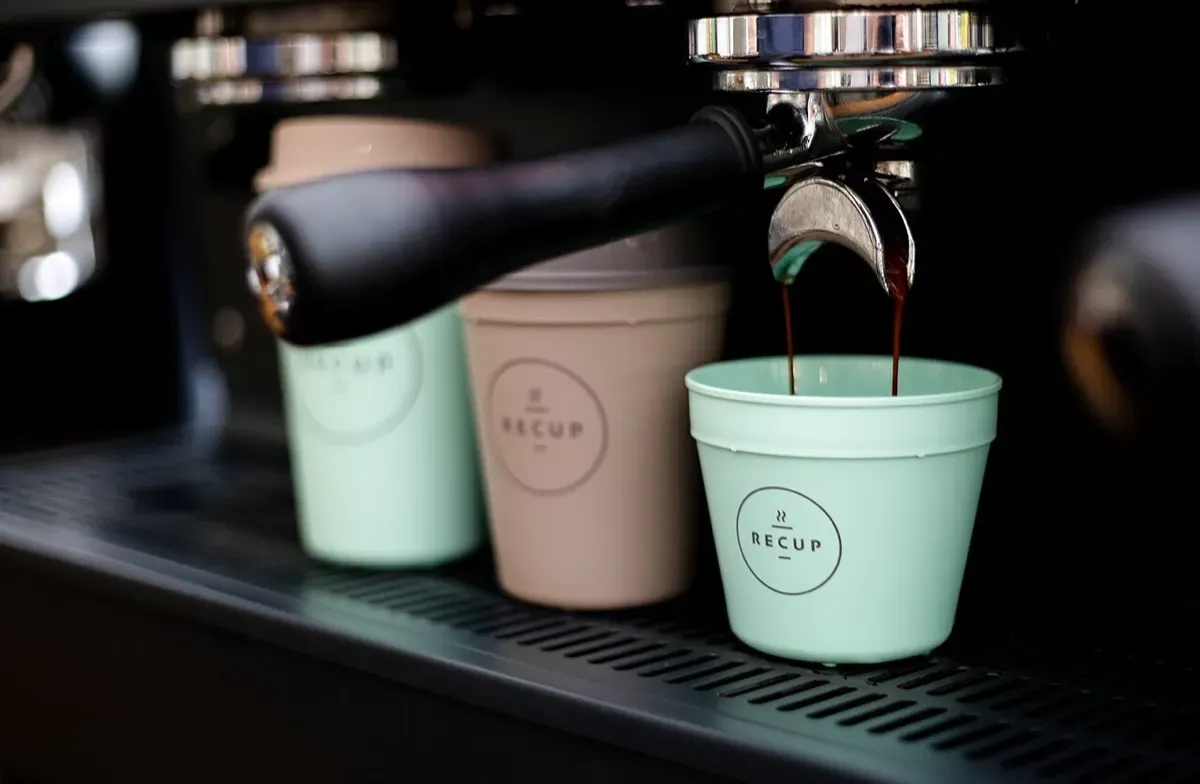
A coffee-to-go cup is used for a few minutes and then thrown away. Germany throws away about 13 billion single-use takeaway packs a year.
Materials science · Sustainable textilesAbout Aijek
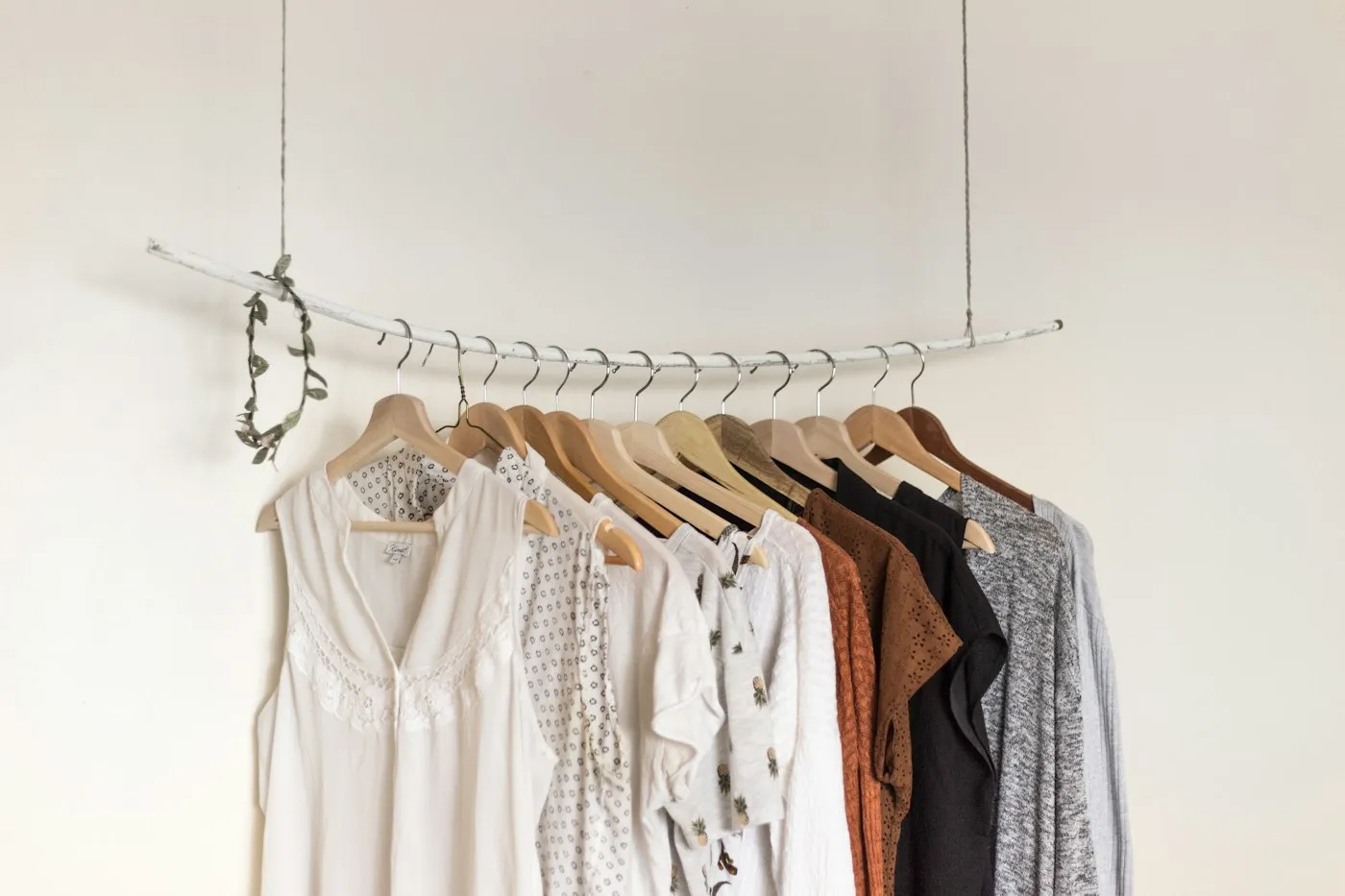
A Singapore relaunch that bans polyester blends and centres Balinese cutwork shows sustainability as design constraint — and labour proximity.
PressMaterials science · Sustainable textilesAbout Aijek
After a long pause, a Singapore label rebuilds on biodegradable naturals and Balinese kerawang — scale chosen, not performed.

Sweden built the world's first commercial-scale plant to turn worn-out cotton clothes into pulp for new fibre, and then watched its owner go bankrupt.

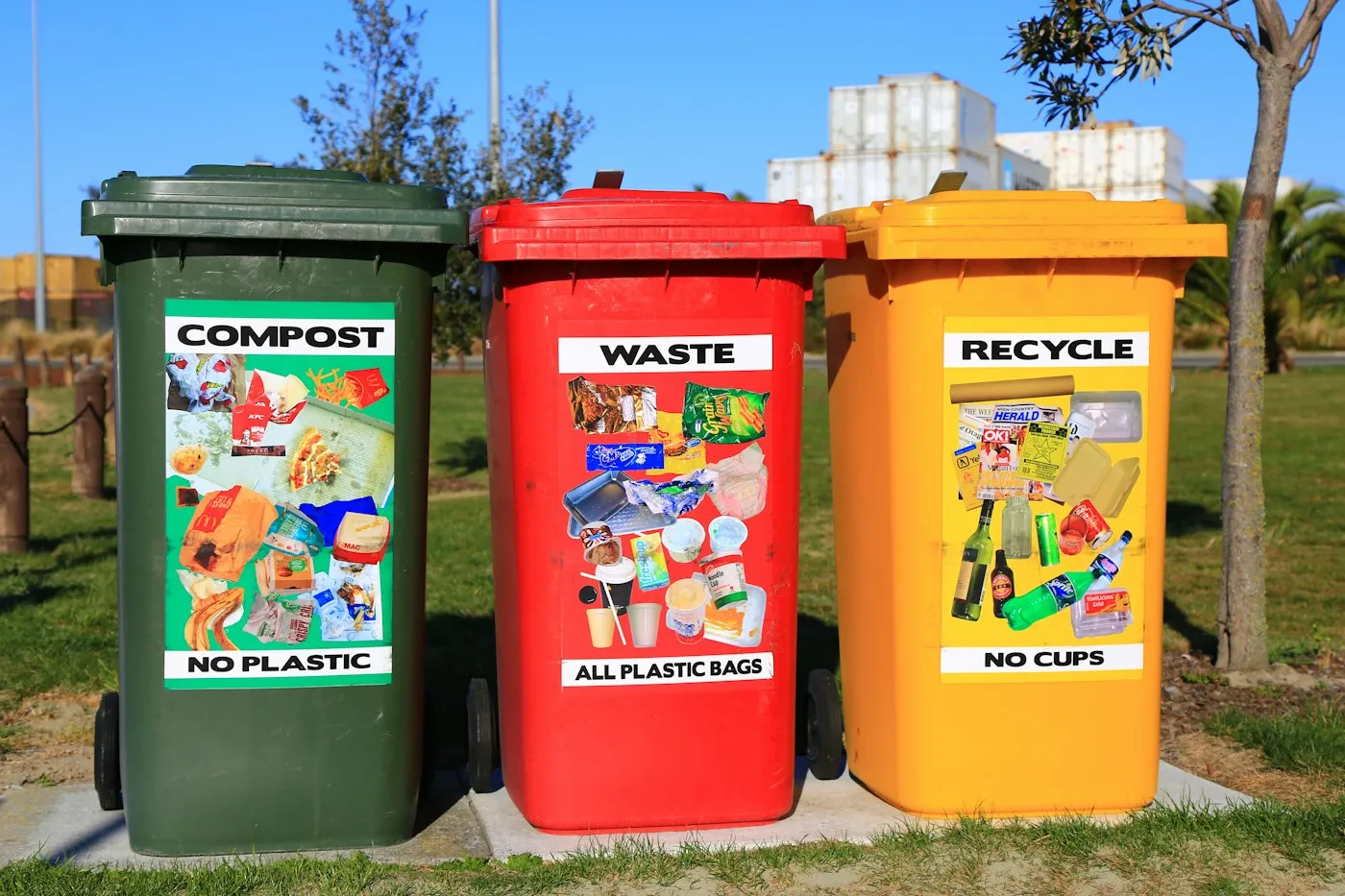
Most rubbish bags still go straight to landfill, even though they contain cans, bottles, card and food that could be recovered.
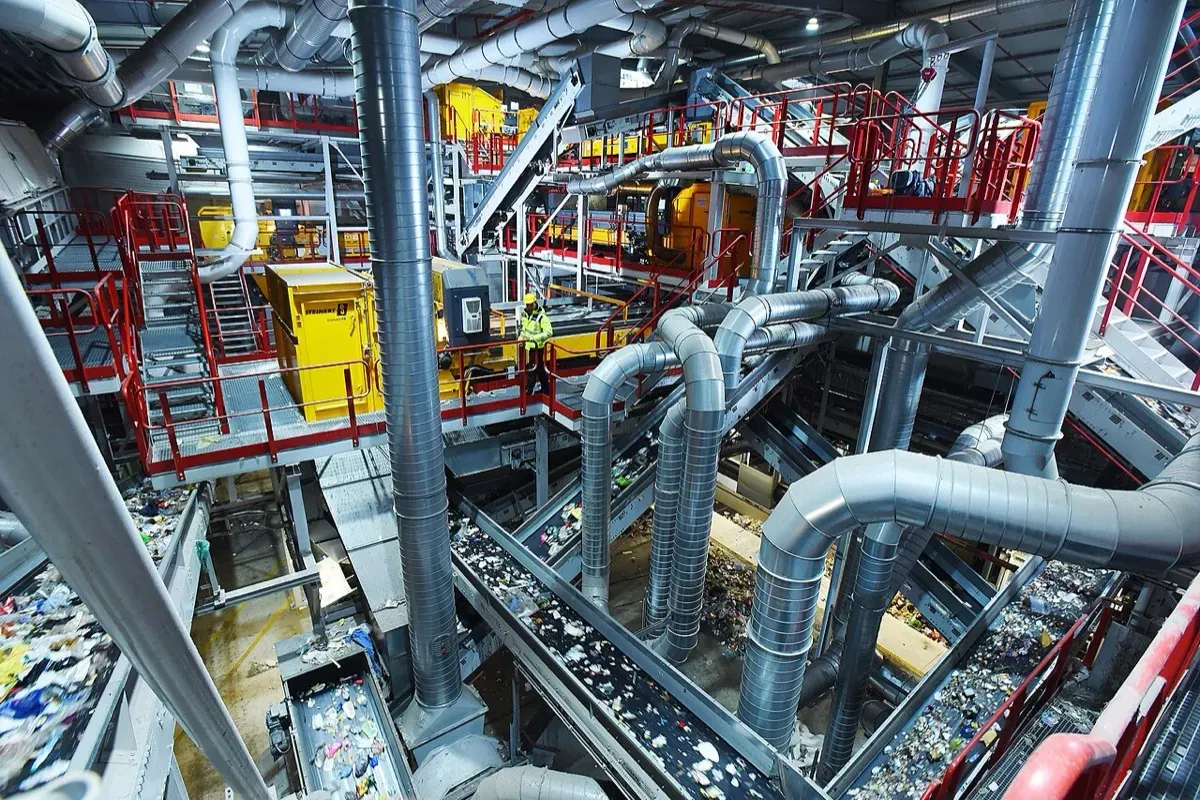
Recycling plants sort thousands of tonnes of mixed waste a day, yet most only check what they recover by hand-sampling a tiny share of it.

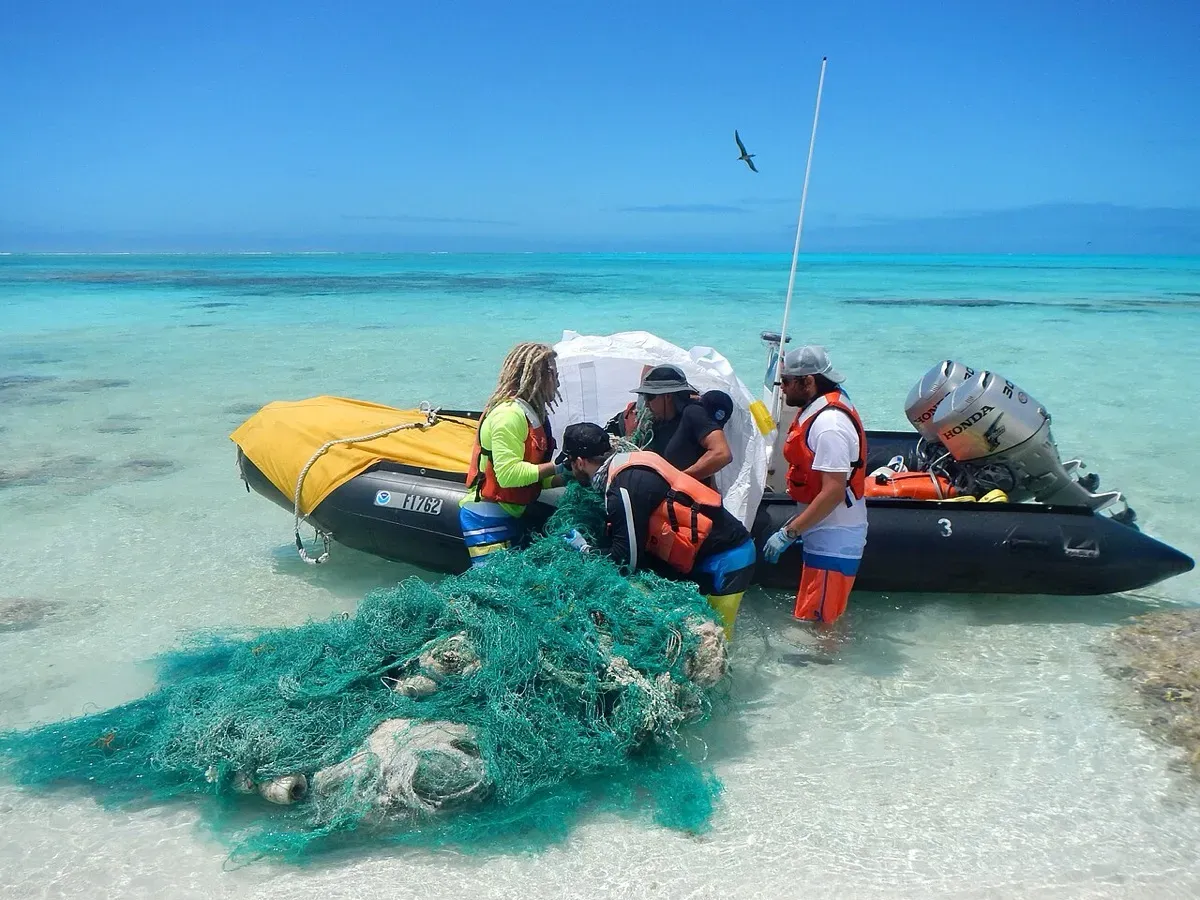
Europe's bottle-return machines work because every container carries a deposit. India has very few such schemes, and plastic piles up on pilgrim routes and beaches.