Deep space exploration

5Insights
6UN goals

Insights

Airbus Orion European Service Module: the Bremen-built powerhouse that kept the Artemis II crew alive around the Moon

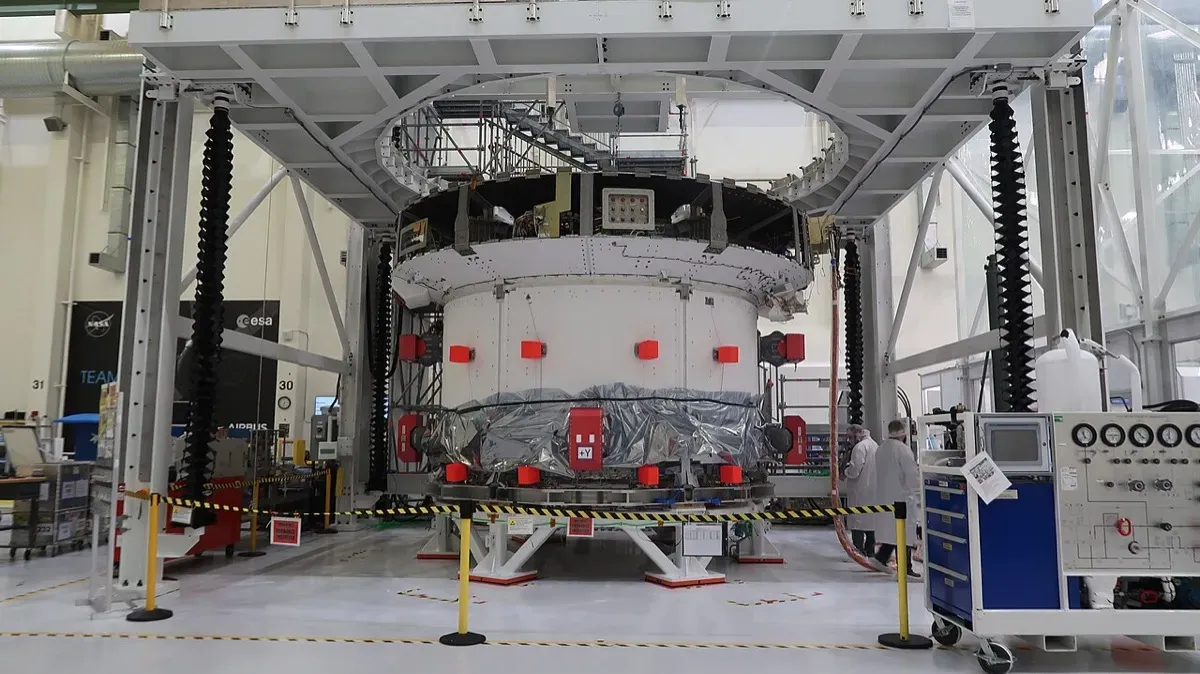
In April 2026, four astronauts flew farther from Earth than any humans before them. The capsule they rode in was American, but the module that pushed them to the Moon and supplied their air, water and power was built by Airbus in Bremen for the European Space Agency. It is Europe's biggest piece of flight hardware in human deep space exploration.
Firefly Blue Ghost: the commercial lunar lander that touched down upright and worked through a full lunar day

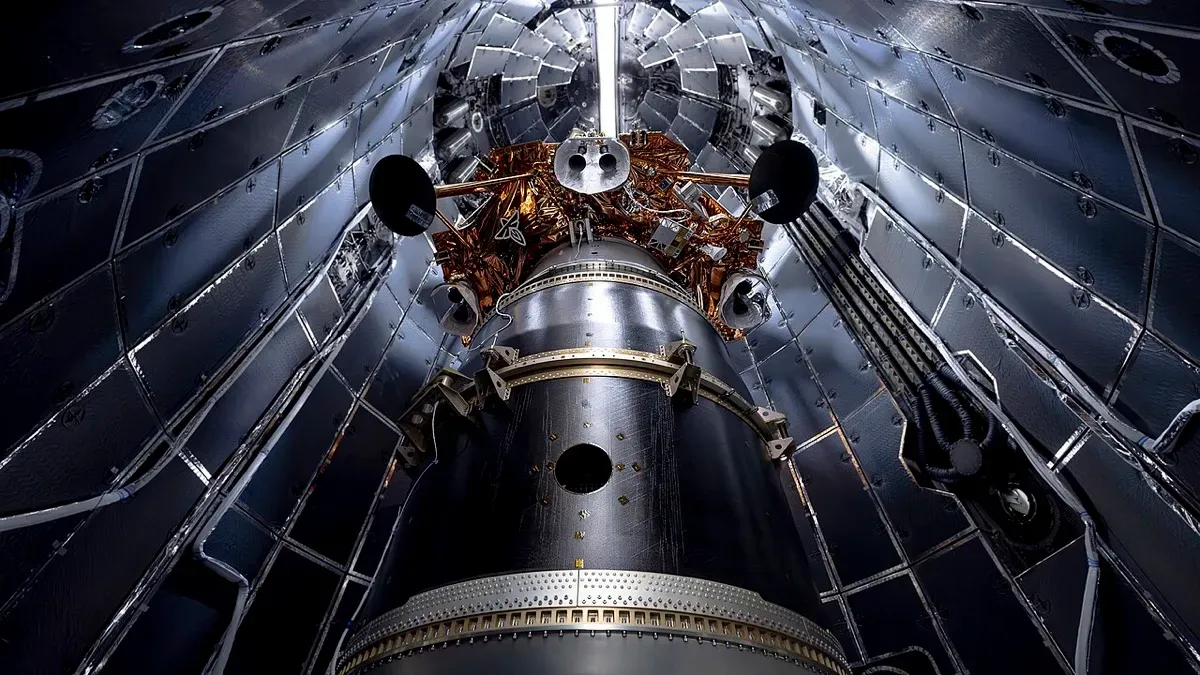
In March 2025, a lander built by Texas company Firefly Aerospace settled gently onto the Moon and ran ten NASA experiments for two weeks, from drilling into the soil to tracking Europe's Galileo navigation signals from the lunar surface. Blue Ghost showed that a private company can deliver science to the Moon reliably. Firefly is now building landers for the far side and the Gruithuisen Domes.

Godrej Aerospace: the Mumbai factory that builds engines for India's Moon and Mars missions

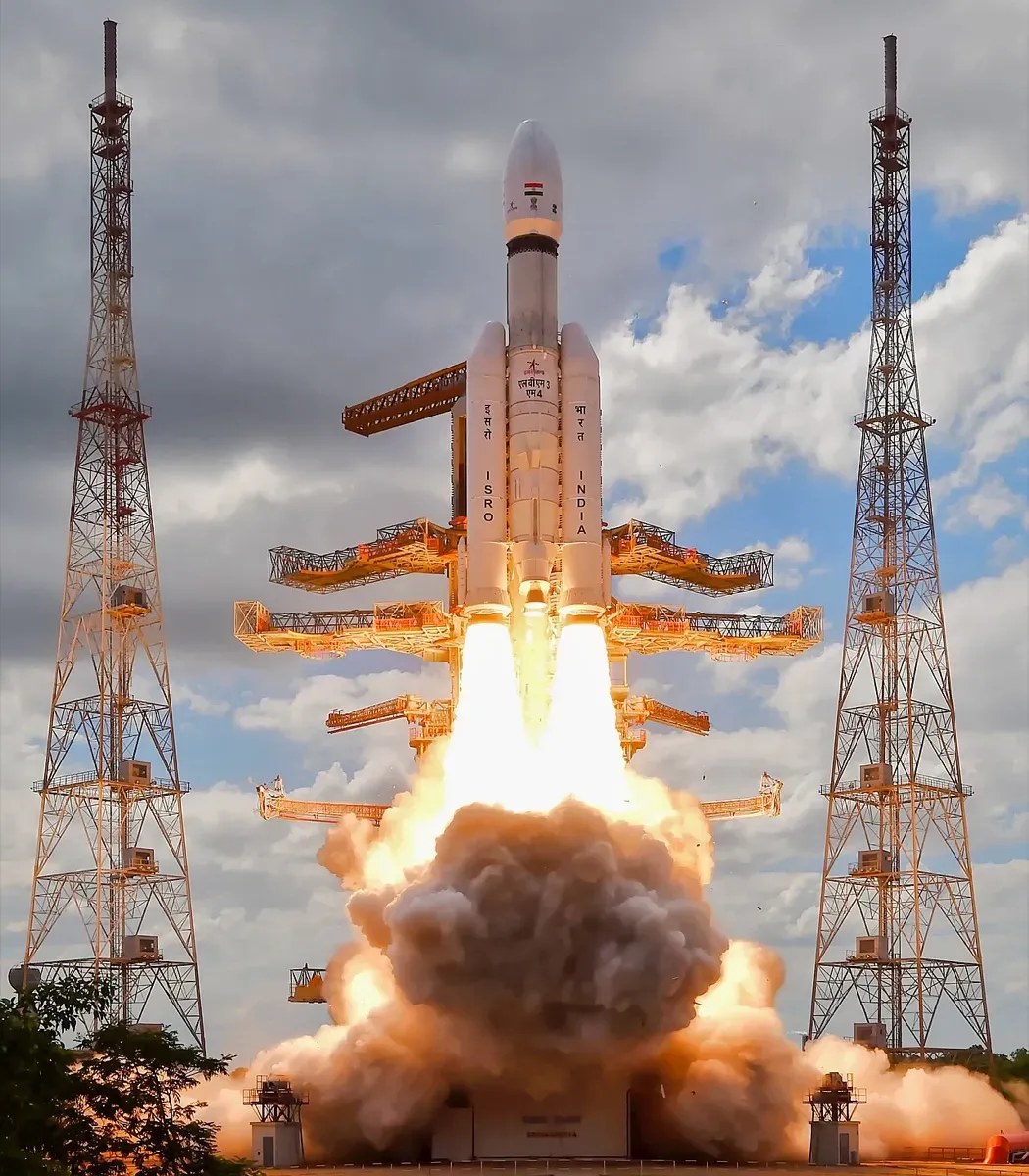
When Chandrayaan-3 lifted off for the Moon in July 2023, the engines in its rocket's core stage and the thrust chamber of its cryogenic upper stage had been made in a Mumbai suburb better known for locks and steel cupboards. Godrej Aerospace has supplied ISRO for decades and has now delivered the first human-rated engine for India's crewed Gaganyaan programme.

OHB Hera: the German-built spacecraft checking whether we can knock a dangerous asteroid off course

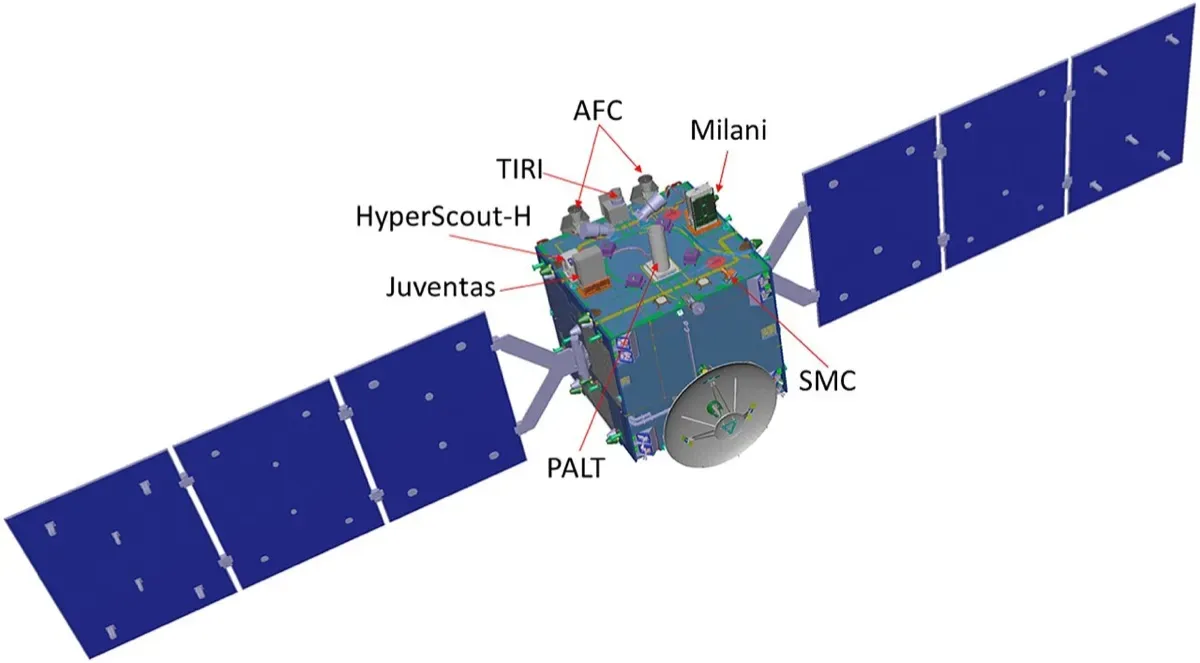
In 2022, NASA's DART spacecraft deliberately crashed into a small asteroid moon to nudge its orbit. Europe's Hera, built by OHB in Bremen, has now travelled two years to the scene to measure exactly what happened. Its findings will help turn asteroid deflection into a reliable way to protect Earth.

The Exploration Company Nyx: Europe's first reusable cargo capsule, built to bring space station science home

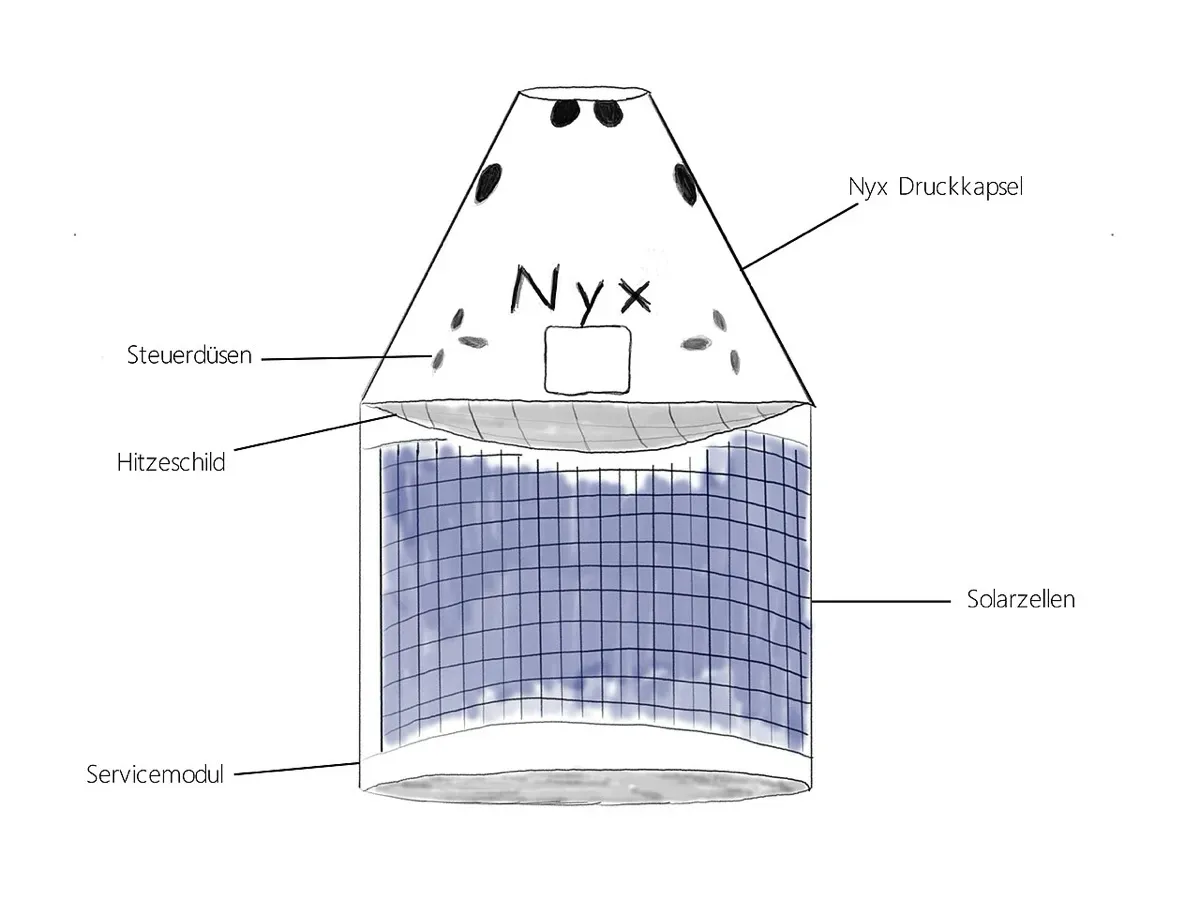
Only American spacecraft can currently bring cargo back from the International Space Station. The Exploration Company, a five-year-old European start-up, is building Nyx, a reusable capsule designed to carry three tonnes of cargo up and back. In September 2026 ESA backed it with a €760 million contract.