
Planetary engineering

4sub-categories
20Insights

i2Cool: the Hong Kong coating inspired by Saharan silver ants that keeps roofs cool without electricity

A white, paint-like coating that reflects more than 95% of sunlight and sends heat out through the sky. Born in a City University of Hong Kong lab, it has been used on more than 500 projects in about 30 countries, from Hong Kong towers to grain silos and shipping containers.

Make Sunsets: the US start-up selling sulphur dioxide balloon launches as cooling credits, and why regulators are alarmed

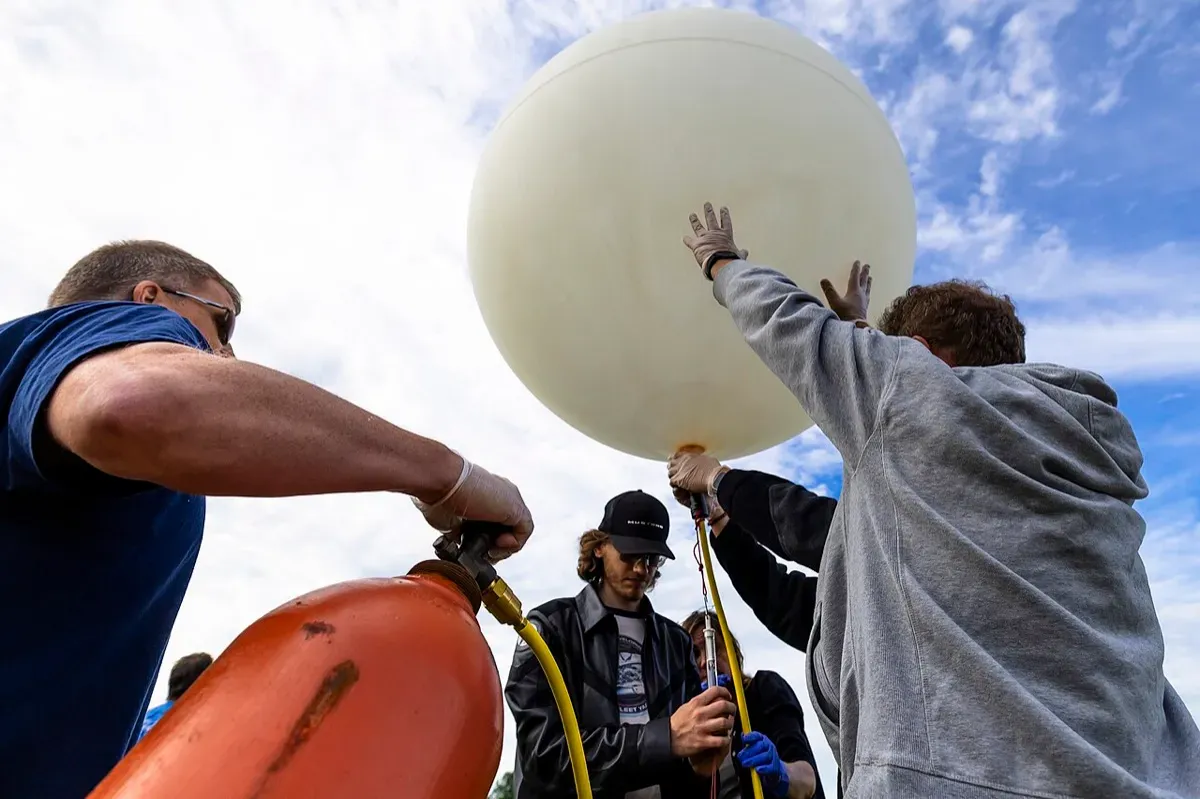
A two-person company fills weather balloons with sulphur dioxide, lets them burst in the stratosphere and sells the result as "Cooling Credits". It is the most controversial product in this series: tiny in physical scale, but a direct test of who gets to decide whether humans dim the sun.

Real Ice: the British team pumping seawater onto Arctic ice to keep a bright, reflective surface for longer

Small pumps lift seawater from under the winter ice and spread it on top, where it freezes fast. The goal is thicker, brighter ice that survives longer into summer and keeps reflecting sunlight. It is one of the most watched, and most criticised, sunlight reflection experiments in the world.

Astroscale ELSA-d and ELSA-M: the spacecraft learning to tow dead satellites out of orbit

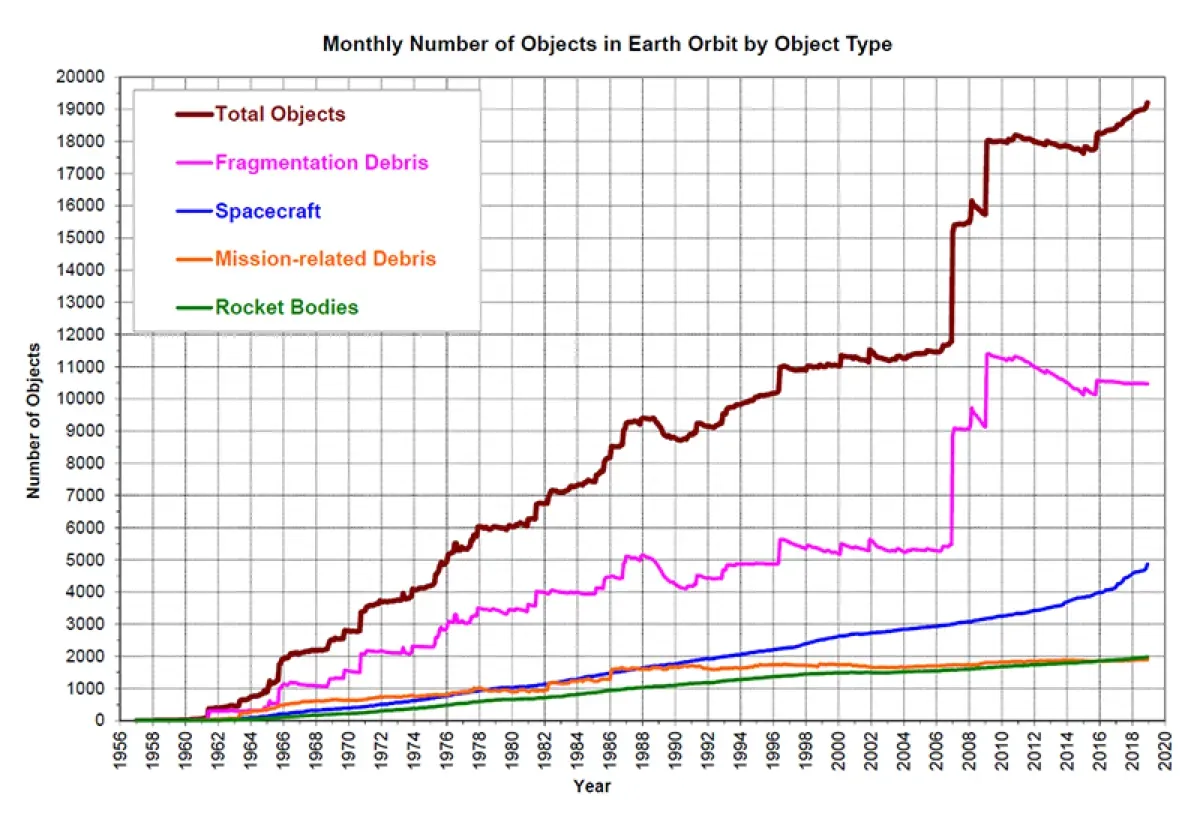
Telling satellites to de-orbit themselves only works if they still function. For the ones that fail, someone has to go up and fetch them. Astroscale flew ELSA-d to prove a servicer could find and grab a satellite in orbit, and its UK subsidiary is now building ELSA-M to remove a real, retired OneWeb satellite.

D-Orbit ION: the Italian space tug that drops satellites into the right orbit, then takes itself out of the sky

A small spacecraft that rides a rocket, then carries customers' satellites to separate orbital slots, tests new hardware in space and, at the end of its life, empties its tanks and drifts down to burn up. D-Orbit has now flown 26 commercial ION missions.

Digantara SCOT: the Indian satellite that watches space debris from orbit

Most space debris is tracked from the ground, by radars and telescopes limited by weather, daylight and geography. Bengaluru start-up Digantara launched SCOT, a satellite that watches other objects from orbit, and now sells collision warnings to governments. It is also moving fast into missile tracking.