The problem
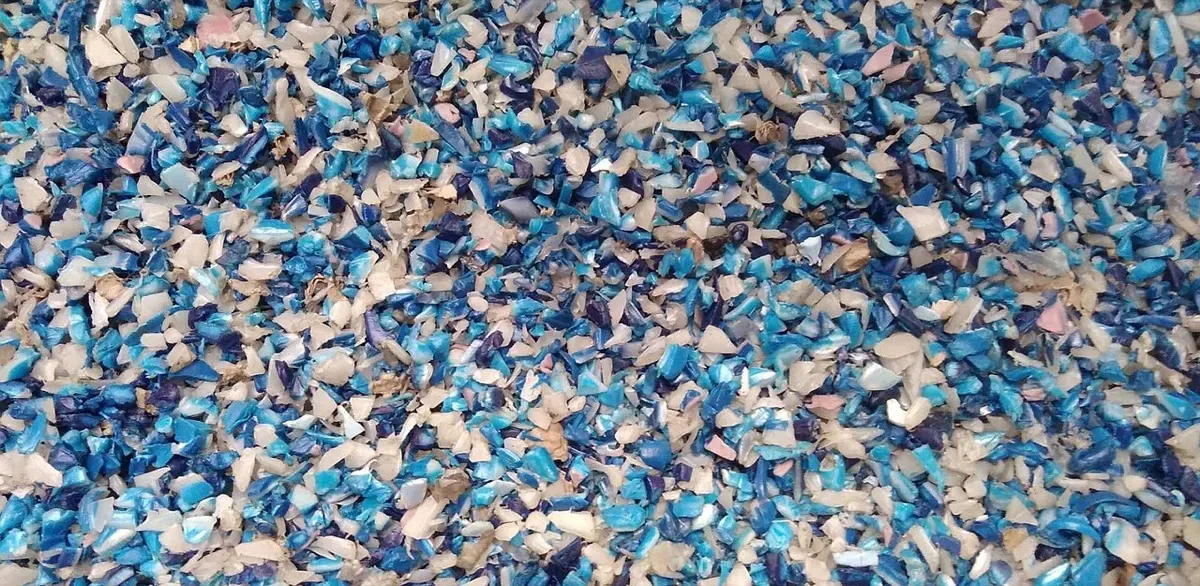
Single-use plastic bottles are one of the most visible kinds of waste. In the UK alone, more than 38.5 million plastic bottles are used every day and around 16 million end up in landfill, are burnt or are littered, according to Water UK figures quoted by the National Wealth Fund (NWF). Glass is heavy to transport and energy-intensive to make.
Paper is collected and recycled more widely than most packaging, but turning it into a bottle that holds liquid for months is hard. Several earlier “paper bottles” were really a paper shell around a plastic liner, which shoppers had to separate before recycling. Danish pioneer Paboco, now owned by Austrian packaging group Alpla, has stopped production in Denmark and is being restructured, Swedish trade title Packnews reported (Packnews).
The product
The Pulpex fibre bottle is moulded as a single piece from wet wood pulp, dried, and then sprayed inside with a proprietary food-grade barrier (Robertson). The barrier is a water-based emulsion that forms directly on the fibres, makes up about 6% to 7% of the bottle’s weight and contains no PET or HDPE, the plastics that normally make bottles waterproof (Packaging News Daily). Pulpex says the whole bottle goes into normal household paper and card recycling.
The first two products to use it, both due on sale in autumn 2026:
- Purely Scottish mineral water, the first still-water bottle from the Glasgow lines.
- smol laundry liquid: a moulded fibre bottle with an ultra-thin water-based internal coating and a dosing cap made from 100% recycled polypropylene, which is removed and recycled with plastics (Packaging Reporter).
When it launched in 2020, Pulpex set up a consortium of non-competing brands including Unilever and PepsiCo, each expected to launch its own branded paper bottle (Diageo). Today it lists development partnerships with Diageo, Unilever and Kraft Heinz, and has told The Times that a stronger barrier could one day keep wine fresh for up to two years (Daily Mail).
How it works
- Wood pulp: fibre from certified, sustainably managed forests is mixed with water.
- Wet moulding: the pulp is formed into a seamless one-piece bottle in a mould, so there are no glued halves. Diageo said in 2020 that the single-mould process lets brands copy existing bottle shapes in paper or design new ones.
- Drying and coating: the bottle is dried, then sprayed inside with a barrier coating matched to the product it will hold.
- Recycling: the empty bottle goes in the paper and card bin; any plastic cap is removed and recycled separately.
Timeline
| Date | Milestone |
|---|---|
| 7 May 2019 | Company incorporated in the UK |
| 13 Jul 2020 | Diageo and Pilot Lite launch Pulpex; Johnnie Walker paper bottle promised for early 2021 |
| 2022 | Planned Heinz ketchup bottle falls through |
| 19 Feb 2025 | GBP 62 million Series D led by the National Wealth Fund and Scottish National Investment Bank |
| Feb 2026 | Steel frame of the Glasgow factory completed |
| Sep 2026 | Factory near Glasgow opening; production ramping up |
| Autumn 2026 | First Purely Scottish and smol bottles due on sale |
Impact and numbers
- Funding: the GBP 62 million round included GBP 43.5 million of equity from the government-owned National Wealth Fund (its first investment in Scotland) and GBP 10 million from the Scottish National Investment Bank.
- Factory: a new 87,000 sq ft unit, built by Robertson for about GBP 9 million, creating about 36 jobs, with capacity originally stated as 50 million bottles a year. Recent reports say three lines building towards a maximum of 40 million.
- Plastic avoided: not yet published. Pulpex and its funders say the bottle has a lower carbon impact than glass or plastic, but no independent life cycle study is public.
Honest caveats. Pulpex has a history of missed dates: Diageo said in 2020 that a paper Johnnie Walker bottle would be on shelves in early 2021, and it never appeared; a Heinz ketchup bottle fell through in 2022, and in 2024 the company still described its work as feasibility testing (Daily Mail). The factory is only now opening, and capacity figures differ (40 million vs 50 million a year). The bottle still has a polymer-type internal coating and, for smol, a plastic cap; smol has not disclosed the full fibre-to-polymer split or volumes. “Recyclable with paper” depends on mills accepting coated fibre bottles at scale, which has not yet been tested in volume. A 40 million bottle plant is tiny next to the UK’s daily use of plastic bottles, and swapping materials is not automatically greener: the charity Green Alliance has warned that paper bags for loose produce typically need about four times the energy of the plastic ones they replace. Reuse and refill may still be the lower-impact choice.
What’s next
The immediate test is production and quality: getting three lines running reliably near Glasgow and putting the first bottles on sale this autumn. After water and laundry liquid, Pulpex wants to move into drinks such as spirits and wine, which need tighter oxygen barriers, and to license its technology to other manufacturers.
Why it matters for Europe / green buyers
The EU Packaging and Packaging Waste Regulation will require all packaging to be recyclable from 2030 and sets recycled content targets for plastic bottles (EUR-Lex). A fibre bottle that genuinely recycles with paper could help brands outside the plastic rules, but only if paper recyclers confirm it works in their mills. Buyers should ask for recyclability test results from paper mills and a life cycle comparison against PET, glass and refill.
India’s Extended Producer Responsibility rules for plastic packaging, notified in February 2022, set rising recycling and recycled-content targets for rigid plastic such as bottles (PIB). Pulpex has no Indian presence, but a fibre bottle that fits paper recycling could interest Indian brands in home care and drinks, where paper is already widely collected by the informal sector.
Sources & image credits
- Diageo, “Diageo announces creation of world’s first ever 100% plastic free paper-based spirits bottle”, 13 July 2020: https://www.diageo.com/en/news-and-media/press-releases/2020/diageo-announces-creation-of-worlds-first-ever-100-plastic-free-paper-based-spirits-bottle
- National Wealth Fund, “National Wealth Fund and Scottish National Investment Bank drive a sustainable packaging step-change with investment in Pulpex”, 19 February 2025: https://www.nationalwealthfund.org.uk/news-and-publications/news/national-wealth-fund-and-scottish-national-investment-bank-drive-a-sustainable-packaging-step-change-with-investment-in-pulpex/
- Robertson, “Pulpex manufacturing facility, Glasgow” case study: https://www.robertson.co.uk/case-study/pulpex-manufacturing-facility-glasgow
- Packaging News Daily, “Pulpex to open first commercial-scale paper bottle plant near Glasgow”, 24 September 2026: https://packagingnewsdaily.com/stories/pulpex-opens-first-commercial-scale-paper-bottle-plant-in-glasgow-2026-09-24
- Daily Mail, “Water containers made from PAPER to go on sale in the UK”, 24 September 2026: https://www.dailymail.com/sciencetech/article-16156765/Water-containers-PAPER-sale-UK.html
- Packaging Reporter, “smol to launch Pulpex fibre bottle for laundry liquid”, 23 September 2026: https://packagingreporter.com/materials/smol-to-launch-pulpex-fibre-bottle-for-laundry-liquid/
- Packnews, “Paboco ‘bidde en tumme’” (Swedish): https://packnews.se/paboco-bidde-en-tumme/
- EUR-Lex, Regulation (EU) 2025/40 on packaging and packaging waste: https://eur-lex.europa.eu/eli/reg/2025/40/oj
- Press Information Bureau, Government of India, EPR guidelines for plastic packaging, 13 February 2023: https://www.pib.gov.in/PressReleaseIframePage.aspx?PRID=1898892&lang=2®=3
Images:
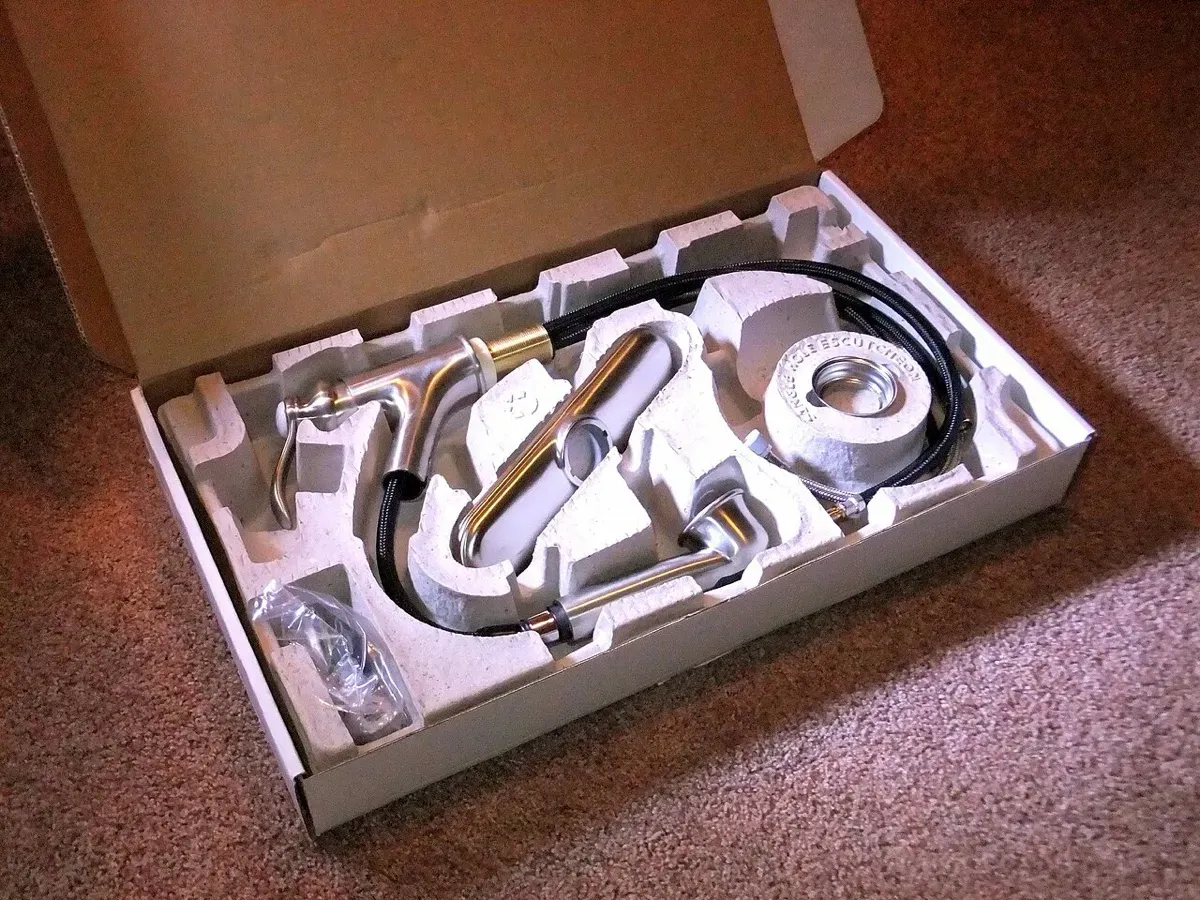
- “Molded pulp, faucet” by Rlsheehan, 2012, licensed under CC BY-SA 3.0 (https://creativecommons.org/licenses/by-sa/3.0), via Wikimedia Commons: https://commons.wikimedia.org/wiki/File:Molded_pulp,_faucet.jpg