The problem
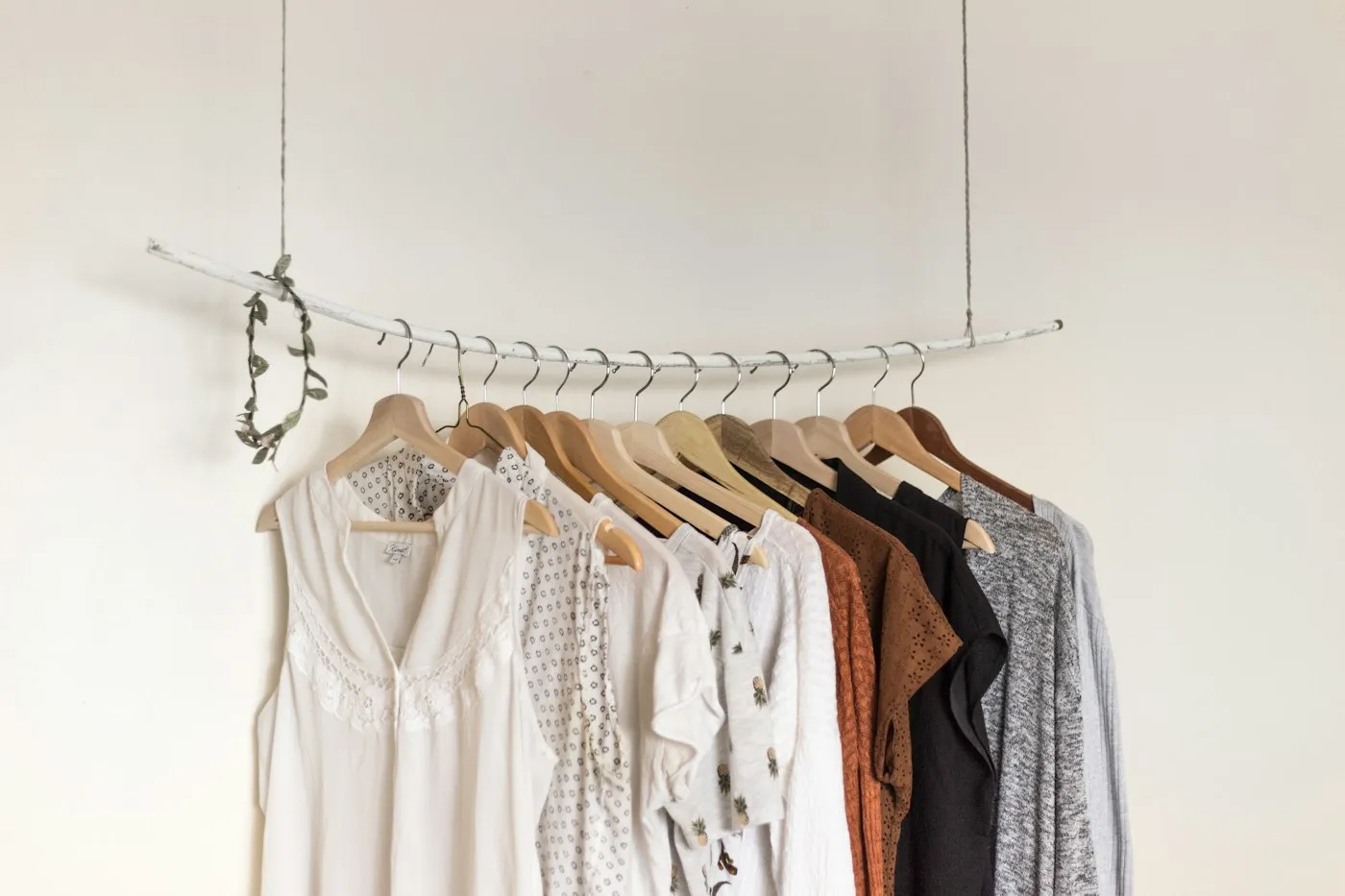
Fashion produces mountains of discarded cotton: cutting waste from factories, unsold stock and worn-out clothes. Most of it is burned, landfilled or shredded into low-value products. Very little becomes new clothing, because recycling cotton mechanically shortens its fibres.
Meanwhile viscose and lyocell, the fibres that compete with cotton, rely on dissolving pulp from trees. A pulp that could replace wood with old cotton would close a loop from wardrobe to wardrobe.
Chemical recycling of cotton works by keeping the cellulose molecule and discarding everything else. In principle, cotton cellulose can be dissolved and spun again into a fibre as good as new. The hard parts are cost, the dyes and finishes in old clothes, and convincing a price-sensitive industry to pay for the difference. Renewcell proved the chemistry at industrial scale; it did not prove the business.
The product
CIRCULOSE is a dissolving pulp made entirely from cotton-rich textile waste. It is designed as a drop-in replacement for virgin wood pulp in man-made cellulosic fibres, so fibre producers can use their existing lines (Circulose).
Fibre makers blend it into:
- CIRCULOSE Viscose, with 30% or 50% recycled pulp.
- CIRCULOSE Lyocell, with 30% recycled pulp.
These fibres go into denim, woven and knitted fabrics, intimates, home textiles and filament yarns. Circulose lists strategic partnerships with fibre producers Tangshan Sanyou, Jilin Chemicals and Aditya Birla, whose Liva Reviva viscose is offered with 30% Circulose pulp and an RCS certificate (Aditya Birla). In June 2026, Tommy Hilfiger joined as a brand partner, with its first garments using CIRCULOSE in cotton blends (Habit).
How it works
- Collect: discarded cotton-rich textiles, such as production waste, are taken in.
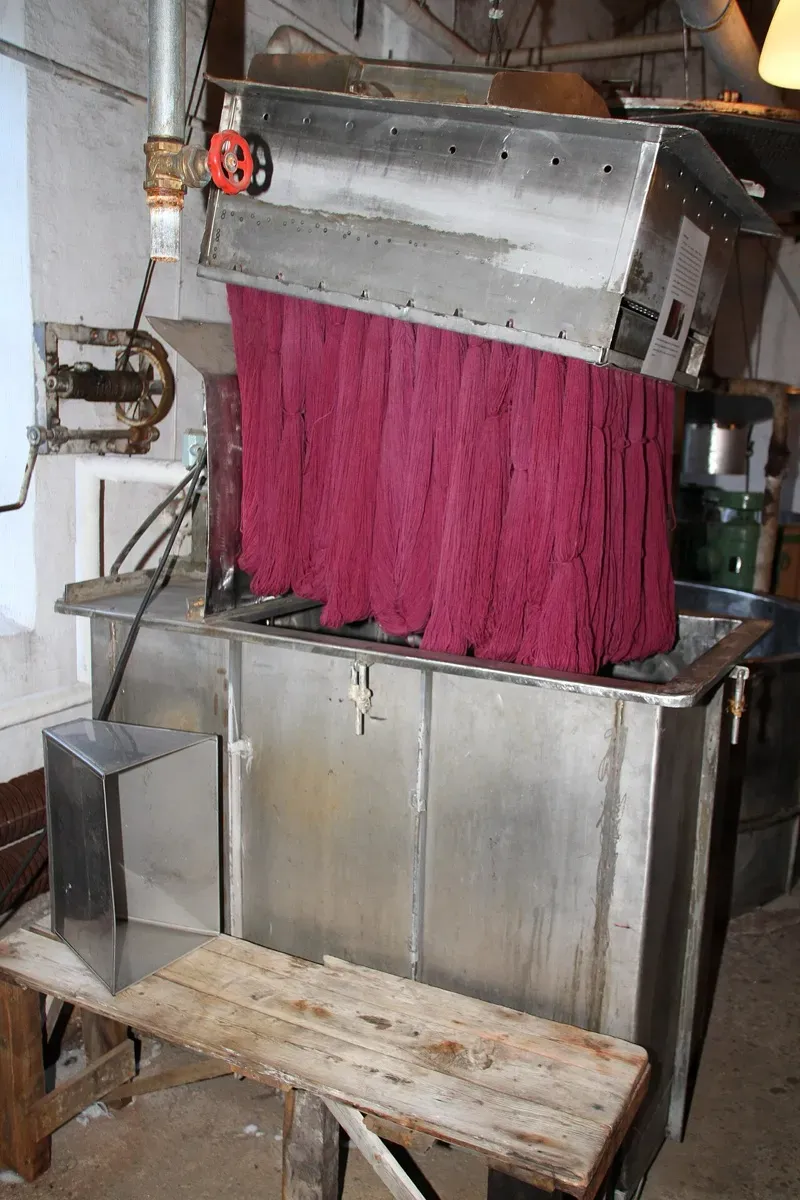
- Shred: the textiles are shredded, buttons and zips removed, and the material de-dyed and turned into a slurry.
- Clean: contaminants such as polyester are removed, leaving cellulose.
- Dry: the slurry is dried into sheets of CIRCULOSE, packed into bales and shipped to fibre producers.
- Repeat: the fibres are spun, woven or knitted and sewn into new products that could one day be recycled again (Circulose).
The patented process was developed by researchers from Stockholm’s KTH Royal Institute of Technology, who founded Renewcell in 2012 (Recycling Today).
Timeline
| Date | Milestone |
|---|---|
| 2012 | Renewcell founded by KTH researchers |
| 2022 | Ortviken plant in Sundsvall opens as Renewcell’s first industrial-scale site |
| Feb 2024 | Renewcell files for bankruptcy after failing to secure financing |
| Jun 2024 | Altor buys the remaining assets; company renamed Circulose |
| 16 Feb 2026 | Restart of Ortviken announced for Q4 2026, backed by 11 brands |
| Jun 2026 | Tommy Hilfiger joins; first garments use CIRCULOSE in cotton blends |
| Q4 2026 | Planned resumption of pulp production |
Impact and numbers
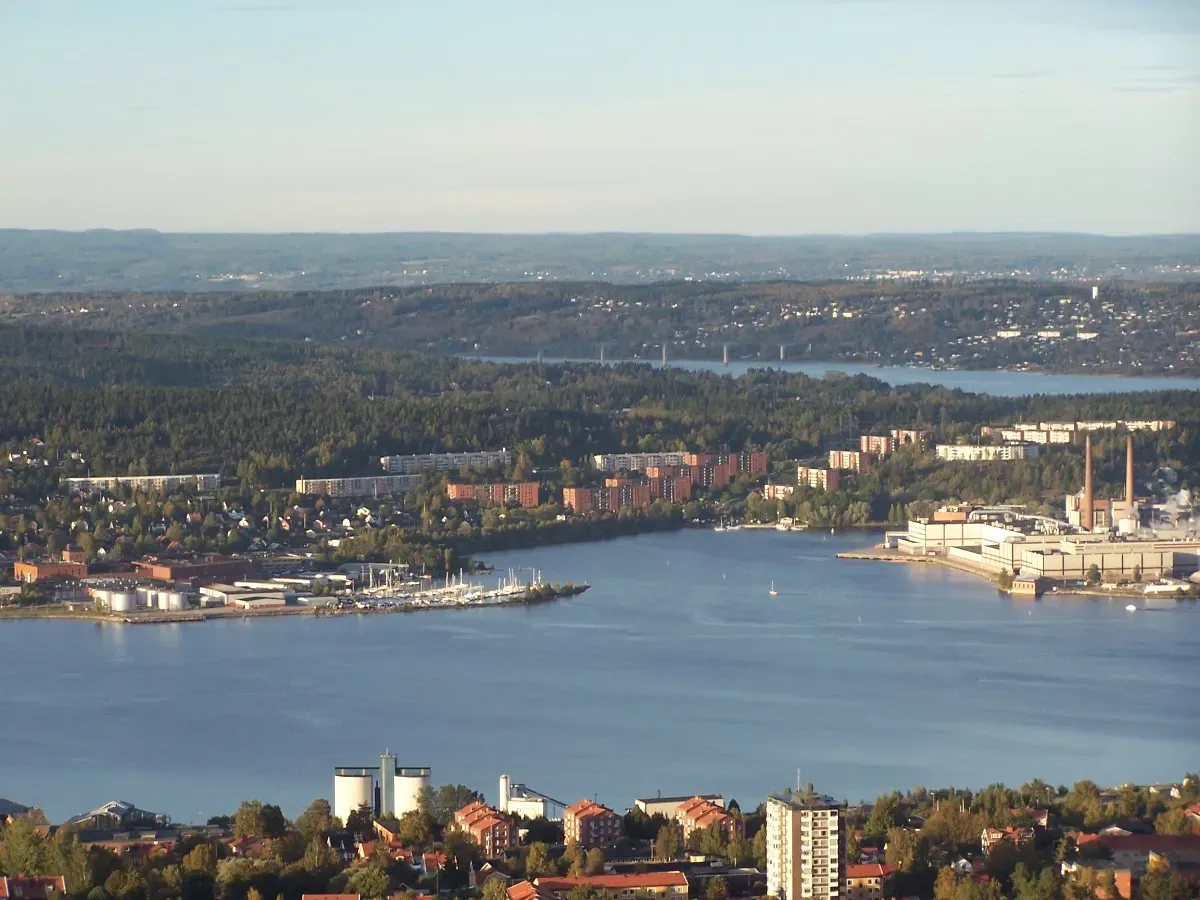
- Capacity: 60,000 tonnes a year of recycling capacity at Ortviken, in a 20,000 m2 factory, with the potential to double over time (Circulose).
- Demand: volume commitments from 11 brands before restart; CEO Jonatan Janmark says the company is in talks with about 50 companies (Modaes).
- Supply gap: current orders are met from Renewcell-era inventory, and the company says new pulp should leave the factory “by the end of the year, ensuring there is no gap in supply” (Circulose).
- Recycled content: CIRCULOSE itself is 100% recycled, but the fibres it goes into carry 30% or 50% recycled content.
Honest caveats. Circulose is a restart, not yet a proven business. Renewcell built the plant and then went bankrupt in February 2024 after failing to secure financing; Altor bought the remaining assets four months later (Business of Fashion). In Janmark’s account, Renewcell had purchase agreements with fibre producers, but when those producers could not sell the fibres on to brands, the volumes never materialised (Modaes). Janmark has said the price premium on recycled pulp was “amplified enormously” along the supply chain, so brands paid far more than the pulp cost justified. The new model tries to fix this by locking in brand volumes first. Still, “11 brands” is not a tonnage figure, and the restart has not yet happened. The process needs cotton-rich, sorted waste, so mixed and synthetic-heavy garments are not suitable. No independent LCA of the restarted plant has been published. Buyers should also note that a garment labelled with CIRCULOSE may contain only a modest share of recycled material once blending is counted.
What’s next
Circulose plans to resume production at Ortviken in the fourth quarter of 2026, scale up as brand demand grows, and, in the longer term, double capacity. It now works more closely with brands, presenting itself as a provider of “circularity solutions” rather than only a pulp supplier, and helps them integrate CIRCULOSE into their supply chains. It has also joined the partner ecosystem of Finnish fibre maker Spinnova as a supplier of recycled-textile feedstock. Key things to watch in 2027 are how many tonnes the plant actually ships, whether the price gap with wood pulp narrows, and whether the recycled share in fibres moves above 50%.
Why it matters for Europe / green buyers
The EU’s revised Waste Framework Directive, Directive (EU) 2025/1892, requires member states to set up textile EPR schemes by April 2028, with producers paying for collection, sorting and recycling (EUR-Lex). Separate collection of textiles has been compulsory across the EU since January 2025. That will create more sorted cotton waste, but Europe has very little capacity to turn it into new fibre. A working Ortviken would be one of the few large European outlets. For buyers, CIRCULOSE fibres are traceable and certified, but supply after the restart is the key question: confirm which fibre producer and which recycled share before placing orders.
The link with Aditya Birla matters for India. Birla Cellulose sells Liva Reviva fibre made with 30% CIRCULOSE, so Swedish recycled pulp is already being spun into fibre by an Indian producer. India’s own large stocks of cotton factory waste could, in time, become feedstock for similar plants.
Sources & image credits
- Circulose, “Made from what already exists” (product and process): https://www.circulose.com/product/
- Circulose, “Made in Sweden” (Ortviken factory): https://www.circulose.com/factory-o/
- Circulose, “Circulose restarts commercial-scale production at Ortviken plant in Sundsvall, Sweden” (16 Feb 2026): https://www.circulose.com/circulose-restarts-commercial-scale-production-at-ortviken-plant-in-sundsvall-sweden/
- Recycling Today, “Textile recycling plant acquired out of bankruptcy” (4 Jun 2024): https://www.recyclingtoday.com/news/renewcell-altor-purchase-sweden-cotton-textile-recycling/
- Business of Fashion, “Textile recycler Renewcell acquired out of administration by Altor”: https://www.businessoffashion.com/news/sustainability/altor-acquires-renewcell-bankruptcy-recyling-textile-circularity/
- Modaes Global, interview with Jonatan Janmark (Circulose): https://www.modaes.com/global/back-stage/j-janmark-circulose-were-making-a-comeback-with-a-very-different-style-and-attitude
- Habit, “Circulose närmar sig produktionsstart” (26 Jun 2026): https://www.habit.se/article/view/1235313/circulose_narmar_sig_produktionsstartbreddar_anvandningen_med_ny_kund
- Aditya Birla Group, Liva Reviva (with Circulose): https://www.adityabirla.com/en/businesses/brands/liva-reviva/
- EUR-Lex, Directive (EU) 2025/1892 amending the Waste Framework Directive: https://eur-lex.europa.eu/eli/dir/2025/1892/oj/eng
Images:
- “Sundsvall Korsta” by Sendelbach, 2005, licensed under CC BY-SA 3.0 (https://creativecommons.org/licenses/by-sa/3.0), via Wikimedia Commons: https://commons.wikimedia.org/wiki/File:Sundsvall_Korsta.jpg