
The problem
Getting to space has become cheaper thanks to rideshare flights, where dozens of small satellites share one rocket. The catch is that a shared rocket drops everyone in roughly the same orbit. Satellites then have to spend months drifting or burning their own fuel to reach the slot they need, or they never get there.
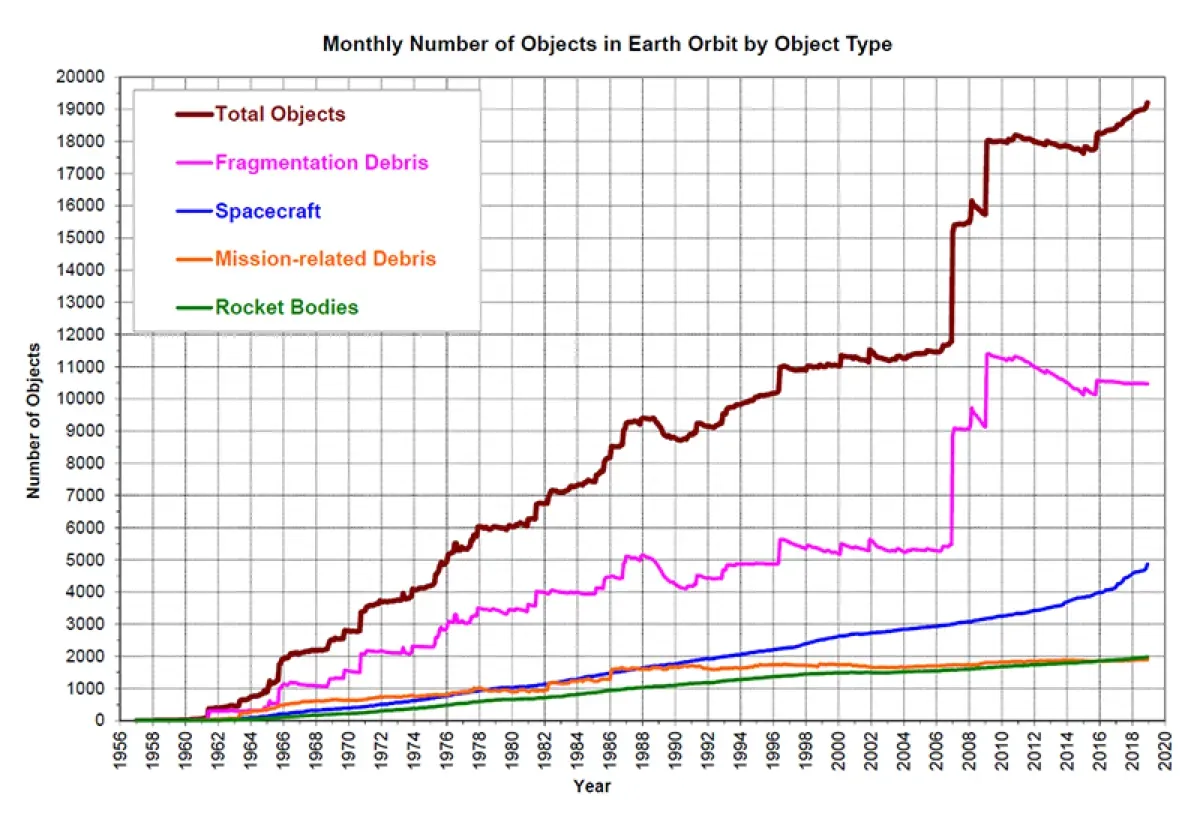
Orbit is also filling up. ESA’s 2026 Space Environment Report says more than 300 launches in 2025 put over 4,000 new payloads into orbit, about ten a day, while not enough satellites leave congested orbits at the end of their lives. ESA warns that the long-term outlook for low Earth orbit worsened by an order of magnitude in just one year.
The product
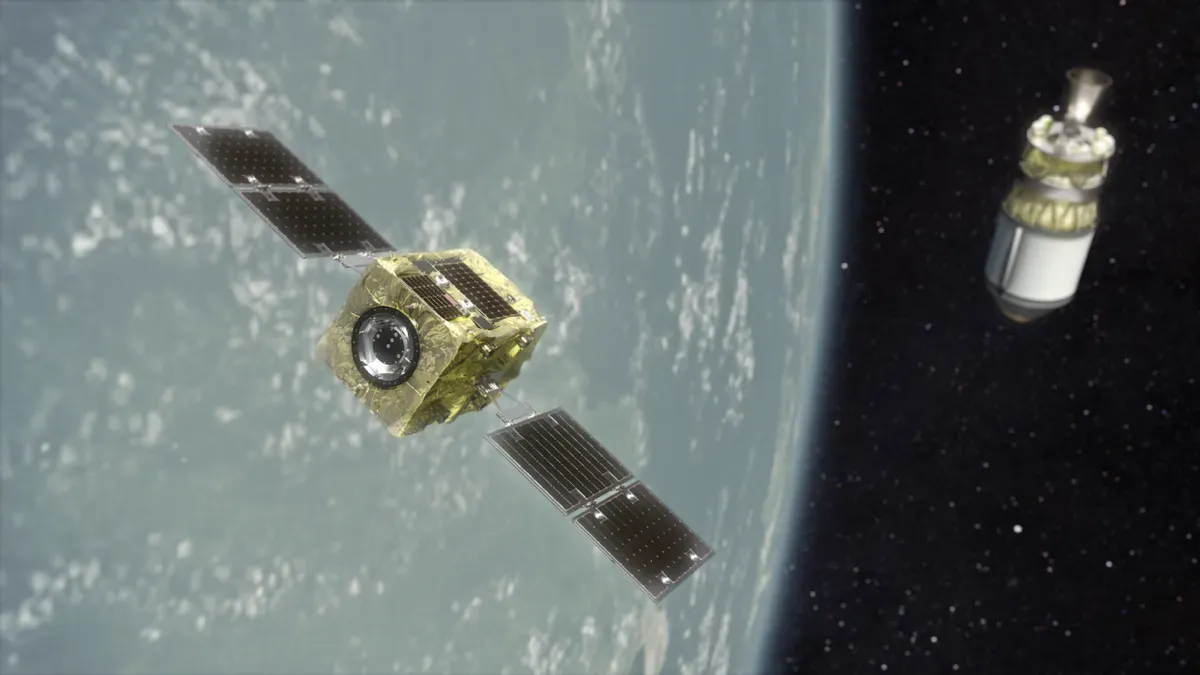
D-Orbit, founded in 2011 and based near Lake Como, builds and flies the ION Satellite Carrier. ION is a complete spacecraft with its own avionics, power, attitude control and propulsion. It flies to orbit inside a rocket like any other satellite, then acts as a “last mile” delivery van.
Once in orbit, ION changes altitude and phasing to release each customer satellite into its own slot. It can also carry hosted payloads, such as new sensors, computers or thrusters that companies want to test in space before building their own satellites, and it offers edge computing and space cloud services.
D-Orbit says ION can cut the time from launch to operations by up to 85% and save up to 40% when deploying a full constellation. These are company figures.
At the end of each mission, D-Orbit says it follows space debris mitigation guidelines: leftover fuel and oxidiser are vented, batteries are fully discharged and the inert ION enters a trajectory that burns it up on re-entry “within a few years”.
How it works
- Book. Customers buy space on ION for satellites or hosted payloads.
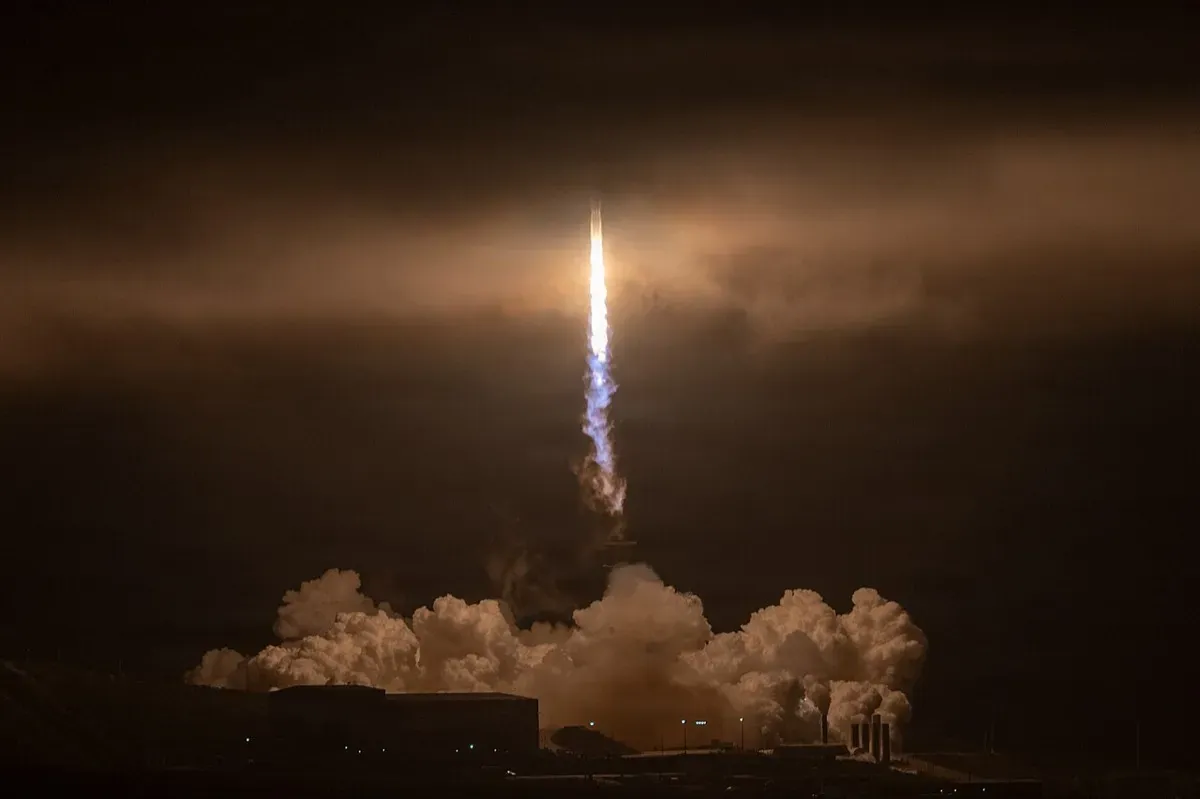
- Launch. ION rides a rideshare rocket, recently SpaceX’s Transporter missions.
- Commission. Operators stop the spin from separation, correct attitude and check systems.
- Deliver. ION manoeuvres and releases satellites into separate orbital slots.
- Host. Payloads run tests, gather data or process it on board.
- Retire. ION is made inert and lowered to burn up in the atmosphere.
Timeline
| Date | Milestone |
|---|---|
| 2011 | D-Orbit founded |
| 3 Sep 2020 | First ION, ION SCV LUCAS, launches on Arianespace’s Vega VV16 from French Guiana (mission Origin) |
| 2020 | Origin deploys 12 Planet SuperDove satellites into separate slots |
| Jan 2024 | First closing of Series C at €100 million |
| 27 Sep 2024 | Series C extended to €150 million, led by Marubeni |
| Apr 2025 | Business combination with the Planetek group announced |
| 7 Jul 2026 | 23rd mission, Above the Summer Sky, on Transporter-17 |
| Jul 2026 | Multi-launch contract with Japan’s ArkEdge Space for 2027 and 2028 |
| 1 Oct 2026 | Three IONs launch together on Transporter-18, bringing the total to 26 |
Impact and numbers
ION has become one of the most flown commercial space tugs. SpaceNews reported that by its 23rd mission in July 2026, ION had deployed 144 satellites and hosted 83 payloads. After the triple launch on 1 October 2026, StartupBusiness reported a total of around 260 payloads since 2020.
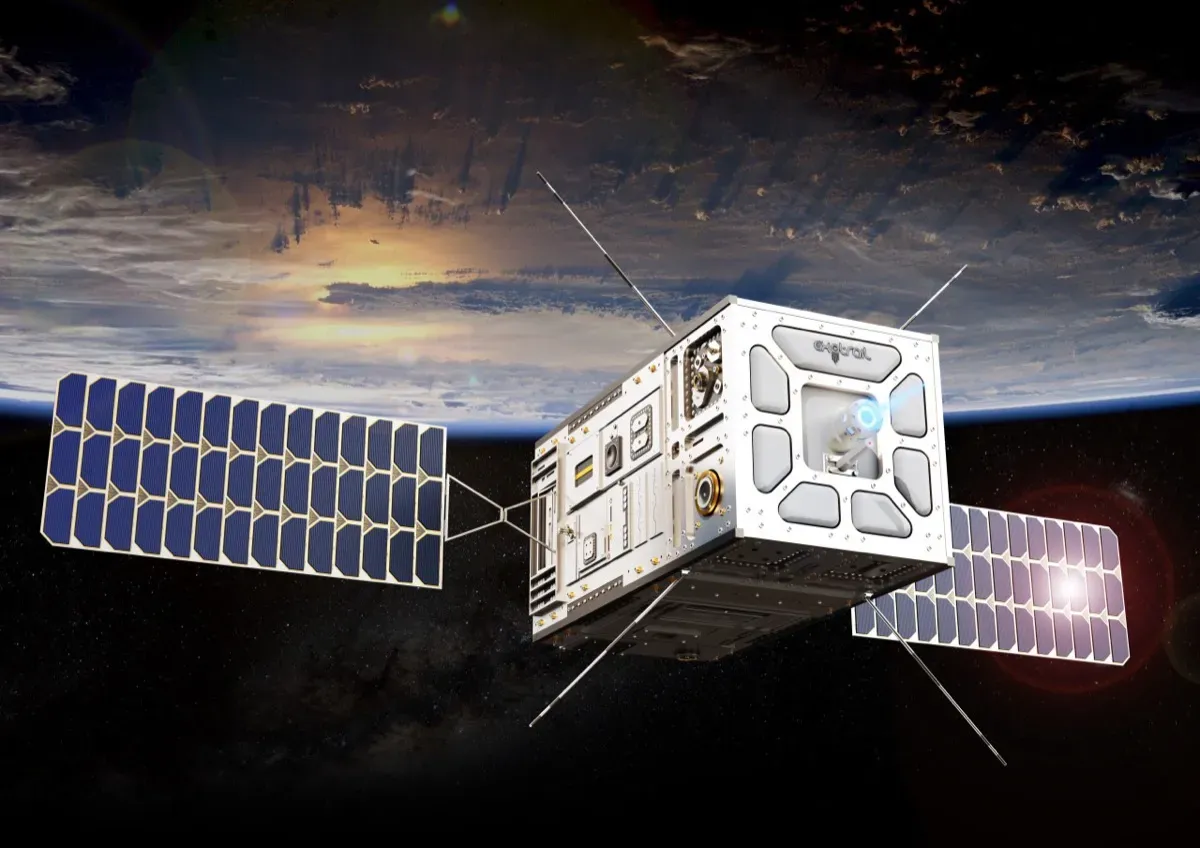
That October flight was a milestone. Three ION vehicles, Empowering Ekaterina, Absolute Andreas and Alluring Alexander, were released into a sun-synchronous orbit at about 510 km. Together with three satellites mounted directly on the rocket for an undisclosed customer, the flight carried almost 1.5 tonnes for D-Orbit. The payloads included four small Ethereal Space satellites to monitor space weather for space situational awareness and drag analysis, and a Space DOTS sensor that measures radiation, particle flux and atmospheric drag around a spacecraft.
Investors include the European Innovation Council Fund and Italy’s CDP Venture Capital. The Series C money is meant to fund space cloud computing, acquisitions and new in-orbit services, including satellite life extension and space debris removal.
Honest caveats
More objects, for a while. Every ION is itself a spacecraft that stays in orbit after its job is done. D-Orbit says retired IONs re-enter within a few years, but ESA’s figures show how many objects are launched daily, so short lifetimes and reliable disposal really matter.
Dependence on US rockets. The first ION flew on Europe’s Vega, but its July and October 2026 missions both flew on SpaceX Transporter rideshares from California. That is efficient, but it ties a European logistics leader to a single American launch provider.
Company figures. The 85% time saving and 40% cost saving are D-Orbit claims, not independent results.
Ownership and partners. SpaceNews described D-Orbit in 2020 as a portfolio company of Noosphere Ventures. Today Marubeni, its Japanese distributor, led the latest funding round. As the company grows into in-orbit services, who owns and controls it will matter to European customers.
Debris removal is still ahead. D-Orbit’s sustainability promise rests partly on life extension and debris removal services that it has not yet flown commercially.
What’s next
D-Orbit is expanding in Japan and the wider Asia-Pacific with Marubeni and ArkEdge Space, with launches planned in 2027 and 2028. It is also developing a larger servicing vehicle, GEA, designed to extend the life of satellites and to relocate and repair them.
Why it matters for Europe and green buyers
For Europe, D-Orbit is a rare home-grown leader in space logistics, a benefit corporation with offices in Italy, Portugal, Greece and the UK. Precise deployment and controlled disposal support the EU’s push for responsible space operations. Public space agencies can favour carriers that publish their disposal plans and results.
For India, whose private satellite makers are multiplying, an orbital tug offers a quicker route to the right orbit from rideshare flights. It also models good end-of-life practice that India’s growing space sector will need to match. For the world, getting satellites to work sooner, and then out of the way, is part of keeping orbit usable for climate, weather and communications satellites.
Sources & image credits
- D-Orbit, “About us”. https://dorbit.space/about-us/
- D-Orbit, “Origin” mission page, Sep 2020. https://dorbit.space/origin-september-2020/
- SpaceNews, “D-Orbit launches its first ION Satellite Carrier”, Sep 2020. https://spacenews.com/d-orbit-launches-its-first-ion-satellite-carrier/
- European Spaceflight, “D-Orbit Extends Series C Funding Round, Raising €150M”, Sep 2024. https://europeanspaceflight.com/d-orbit-extends-series-c-funding-round-raising-e150m/
- SpaceNews, “D-Orbit signs launch-services contract with ArkEdge Space”, Jul 2026. https://spacenews.com/d-orbit-signs-launch-services-contract-with-arkedge-space/
- D-Orbit, “Above the Summer Sky” mission page, Jul 2026. https://dorbit.space/above-the-summer-sky-july-2026/
- D-Orbit, “Into the Quiet Dark” mission page, Oct 2026. https://dorbit.space/into-the-quiet-dark-october-2026/
- StartupBusiness, “D-Orbit: a triple mission in a single launch for the first time”, Oct 2026. https://www.startupbusiness.it/en/d-orbit-a-triple-mission-in-a-single-launch-for-the-first-time/203249/
- ESA, “ESA Space Environment Report 2026”. https://www.esa.int/Space_Safety/Space_Debris/ESA_Space_Environment_Report_2026
- Wikimedia Commons, “Team Vandenberg supports Transporter-17 missions for base’s 46th launch of 2026”. https://commons.wikimedia.org/wiki/File:Team_Vandenberg_supports_Transporter-17_missions_for_base%27s_46th_launch_of_2026_(9797492).jpg
Images: “Team Vandenberg supports Transporter-17 missions for base’s 46th launch of 2026”, US Space Force photo by Airman Enso Valle, Vandenberg Space Force Base, California, USA, 7 Jul 2026, public domain, via Wikimedia Commons. Shows the launch that carried ION mission 23; the ION is not visible.
.jpg)