
Partnerships for the Goals

None of this is done alone. The partnership has to be real.

23Insights tagged

Tagged with Goal 17

Transportation and logistics · Biofuels

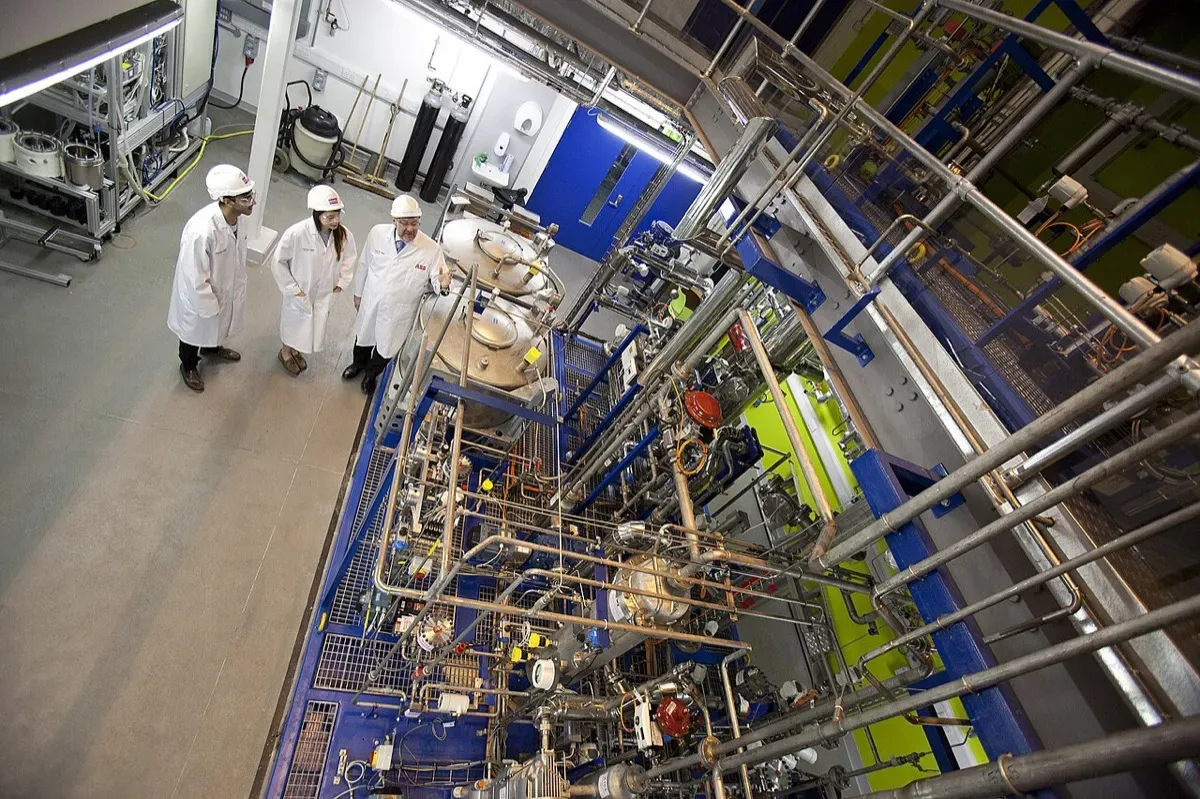
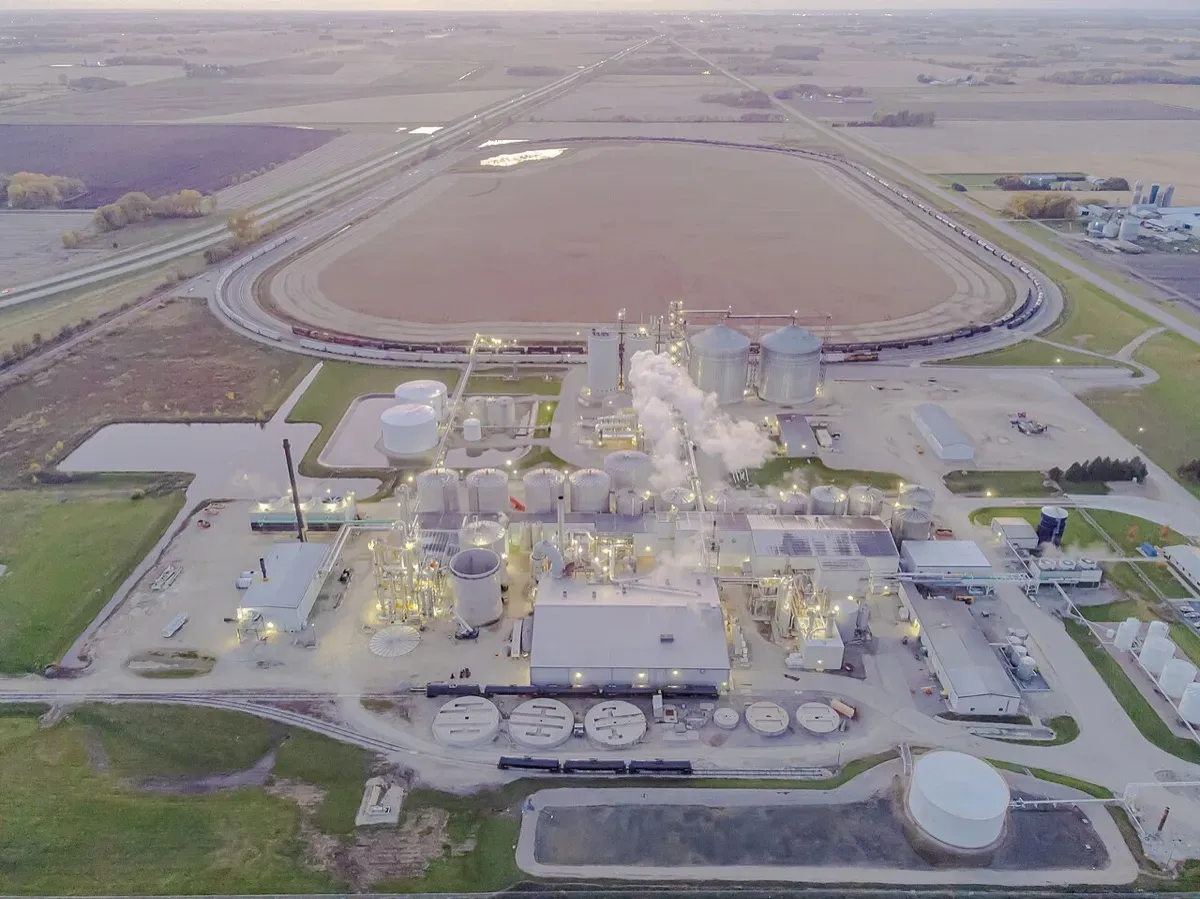
LanzaJet Freedom Pines: the first commercial plant turning ethanol into jet fuel

Most sustainable aviation fuel today is made from used cooking oil and animal fats, and there is not enough of either to fly the world. LanzaJet starts from ethanol instead, a liquid that can be made from crops, farm waste, municipal rubbish or even captured industrial gases.

Transportation and logistics · Hydrogen aviation

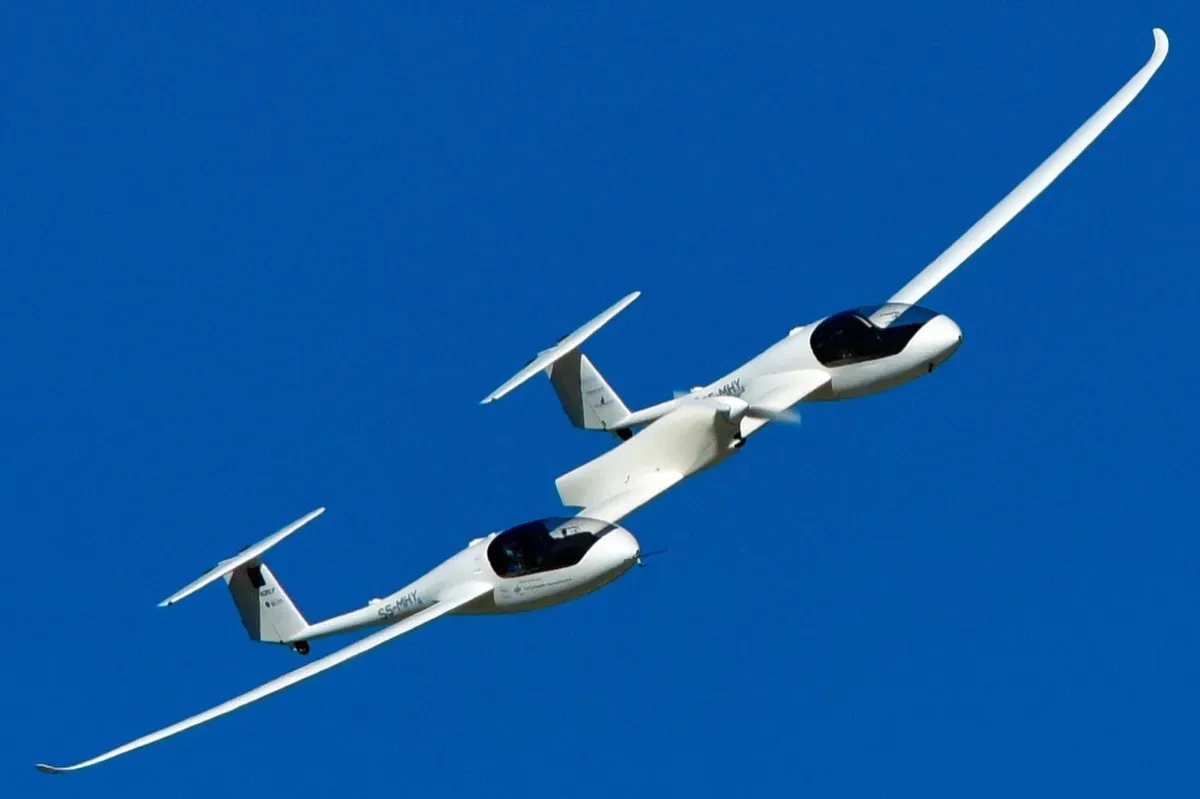
H2FLY HY4: the Stuttgart demonstrator that first flew a piloted aircraft on liquid hydrogen

Gaseous hydrogen tanks are heavy and bulky, which limits how far a hydrogen aircraft can fly. Liquid hydrogen, chilled to cryogenic temperatures, stores far more energy in a lighter tank, but nobody had flown a piloted fuel cell aircraft on it.

Eco-restoration · Climate resilience software

Jupiter Intelligence ClimateScore Global: the climate risk platform big banks use to price floods, heat and wildfire into loans

When a bank lends against a warehouse in Houston or a hotel on the Spanish coast, it prices credit risk and market risk in great detail, but until recently it had little hard data on how floods, heat or wildfire might wipe out the value of the collateral.

Planetary engineering · Solar radiation management

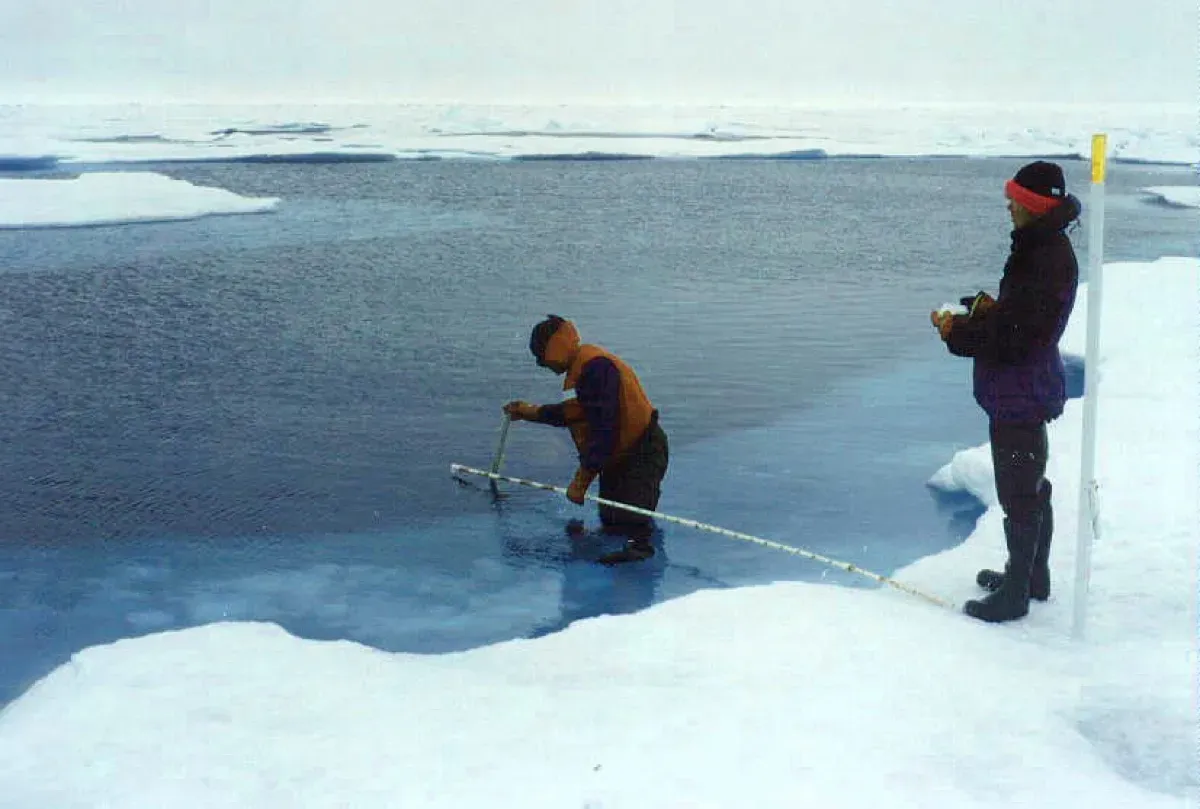
Real Ice: the British team pumping seawater onto Arctic ice to keep a bright, reflective surface for longer

Small pumps lift seawater from under the winter ice and spread it on top, where it freezes fast. The goal is thicker, brighter ice that survives longer into summer and keeps reflecting sunlight. It is one of the most watched, and most criticised, sunlight reflection experiments in the world.

Planetary engineering · Space frontiers

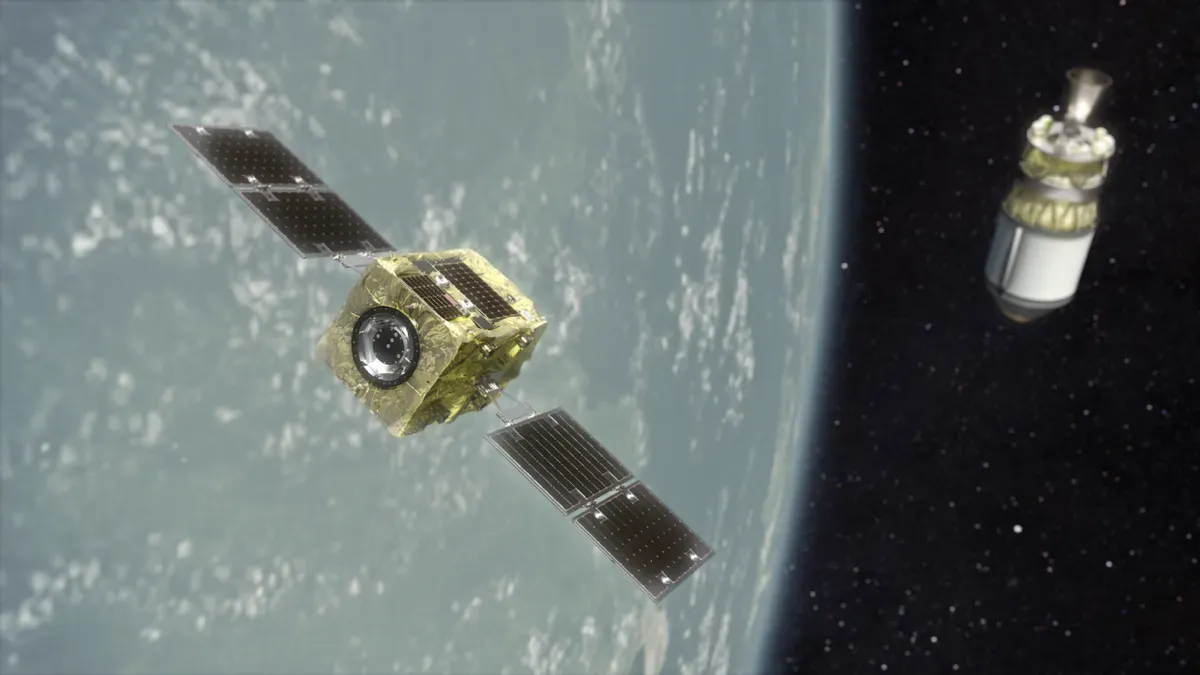
Astroscale ELSA-d and ELSA-M: the spacecraft learning to tow dead satellites out of orbit

Telling satellites to de-orbit themselves only works if they still function. For the ones that fail, someone has to go up and fetch them. Astroscale flew ELSA-d to prove a servicer could find and grab a satellite in orbit, and its UK subsidiary is now building ELSA-M to remove a real, retired OneWeb satellite.

Planetary engineering · Space frontiers

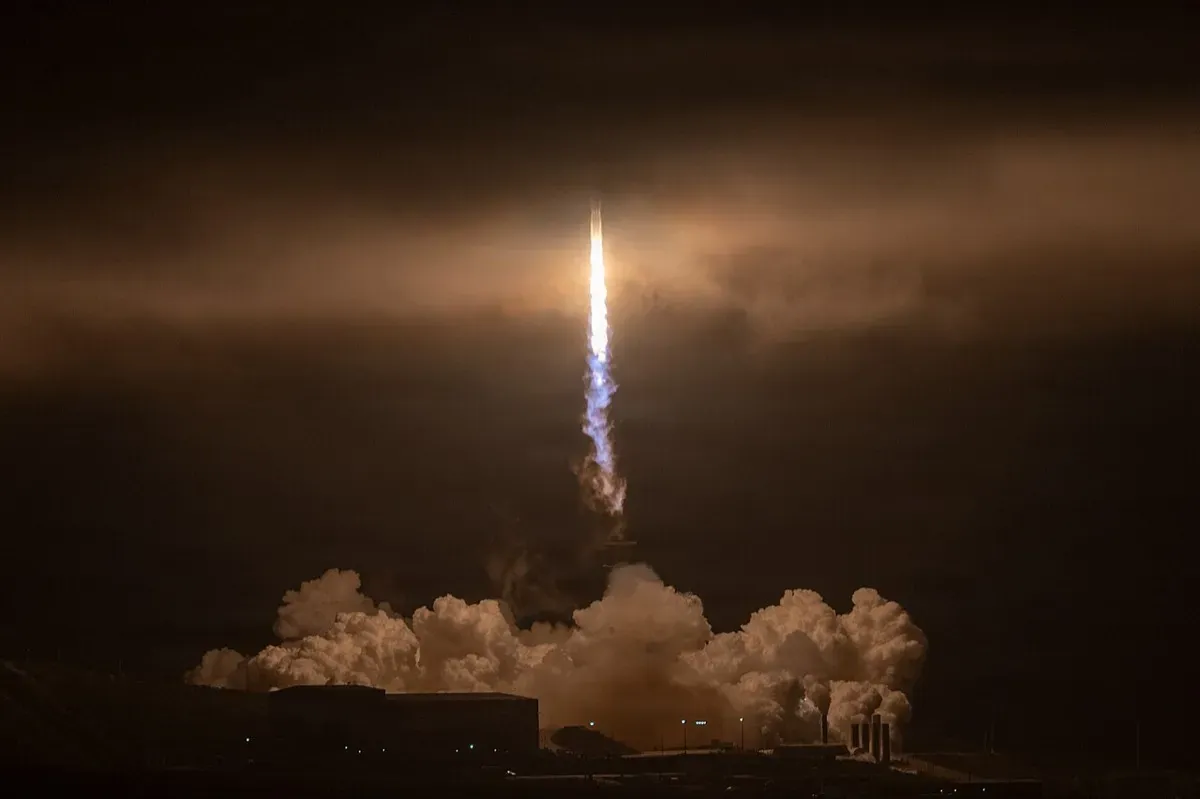
D-Orbit ION: the Italian space tug that drops satellites into the right orbit, then takes itself out of the sky

A small spacecraft that rides a rocket, then carries customers' satellites to separate orbital slots, tests new hardware in space and, at the end of its life, empties its tanks and drifts down to burn up. D-Orbit has now flown 26 commercial ION missions.

Planetary engineering · Space frontiers

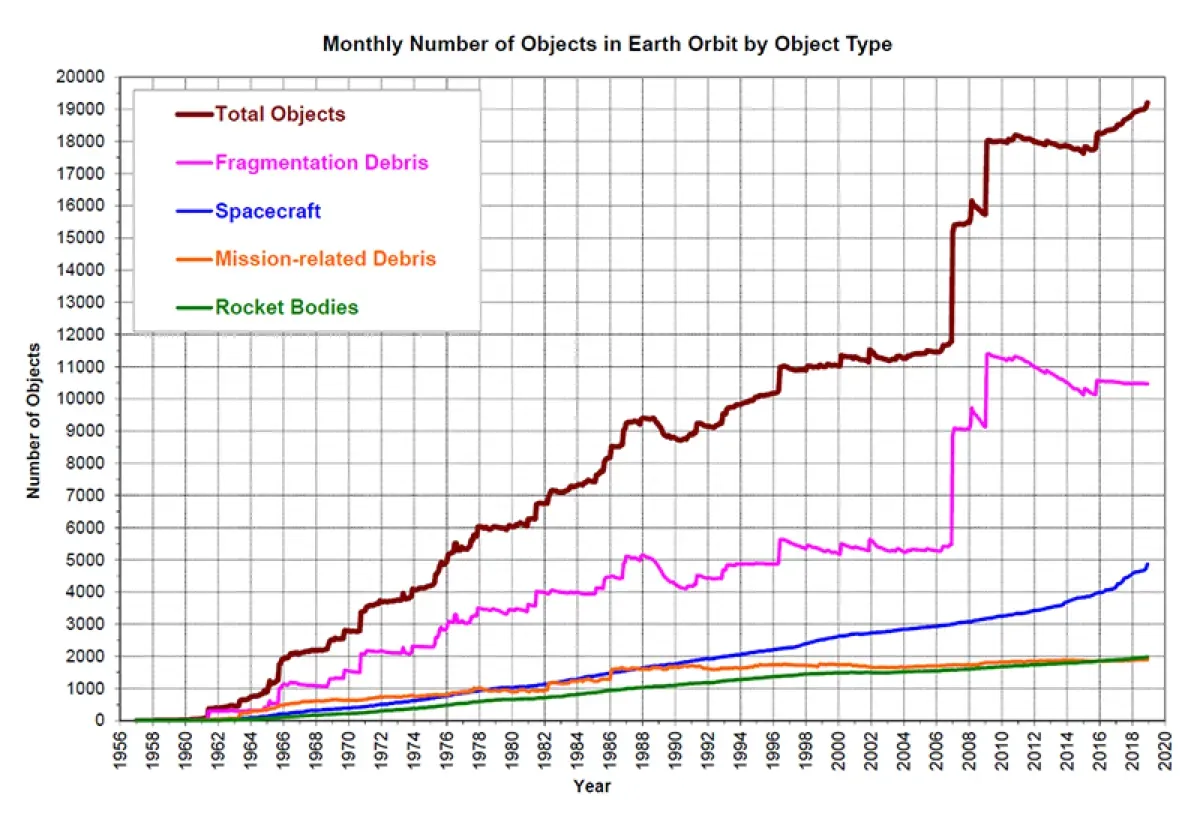
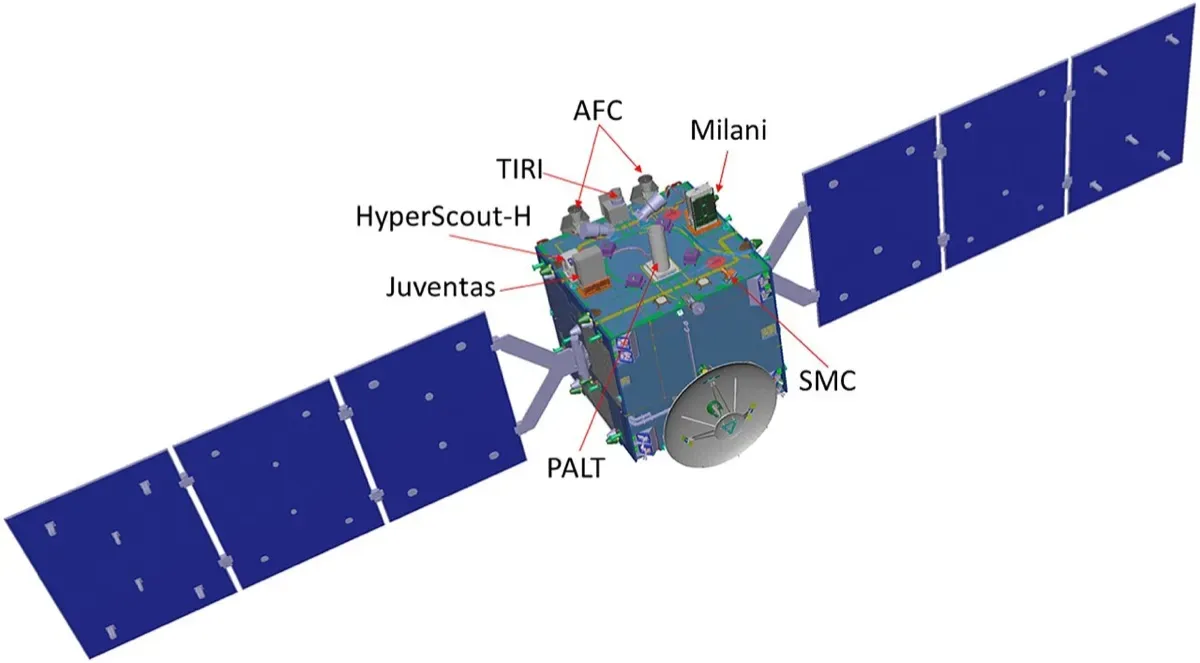
Digantara SCOT: the Indian satellite that watches space debris from orbit

Most space debris is tracked from the ground, by radars and telescopes limited by weather, daylight and geography. Bengaluru start-up Digantara launched SCOT, a satellite that watches other objects from orbit, and now sells collision warnings to governments. It is also moving fast into missile tracking.

Planetary engineering · Space frontiers

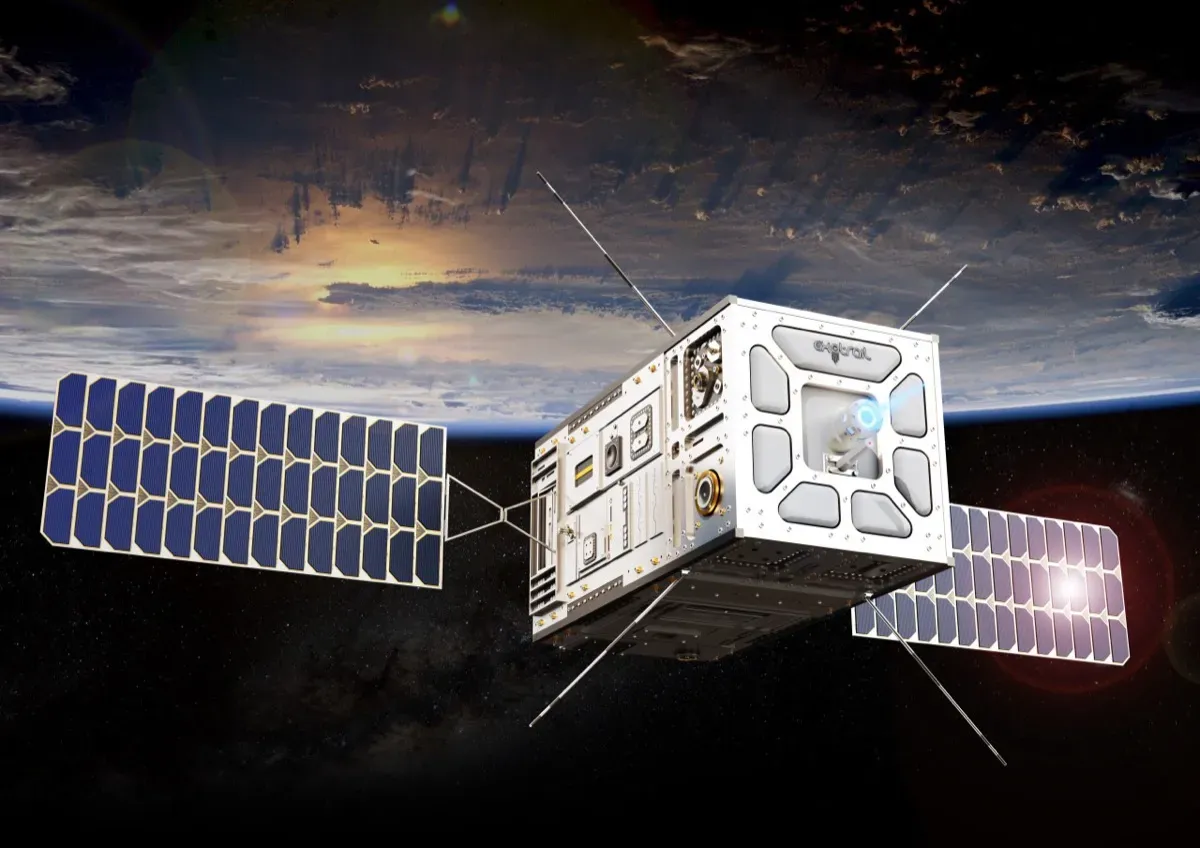
Exotrail spaceware: the French electric thrusters that help small satellites dodge debris and leave orbit cleanly

Hall-effect thrusters used to be the size of a fridge and need kilowatts of power. Exotrail shrank the technology for small satellites, giving them the ability to change orbit, avoid collisions and de-orbit at the end of their lives. It first flew on an Indian rocket in 2020 and now sells to satellite makers in Europe and India.

Advanced technology · Deep space exploration

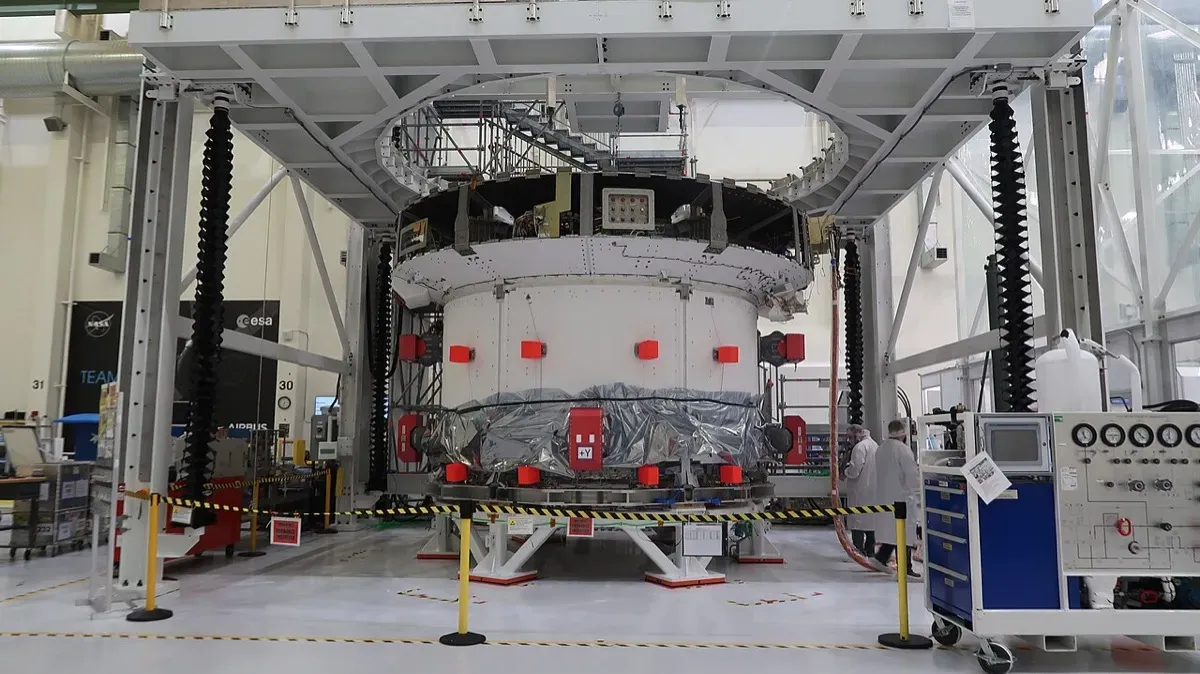
Airbus Orion European Service Module: the Bremen-built powerhouse that kept the Artemis II crew alive around the Moon

In April 2026, four astronauts flew farther from Earth than any humans before them. The capsule they rode in was American, but the module that pushed them to the Moon and supplied their air, water and power was built by Airbus in Bremen for the European Space Agency. It is Europe's biggest piece of flight hardware in human deep space exploration.

Advanced technology · Deep space exploration

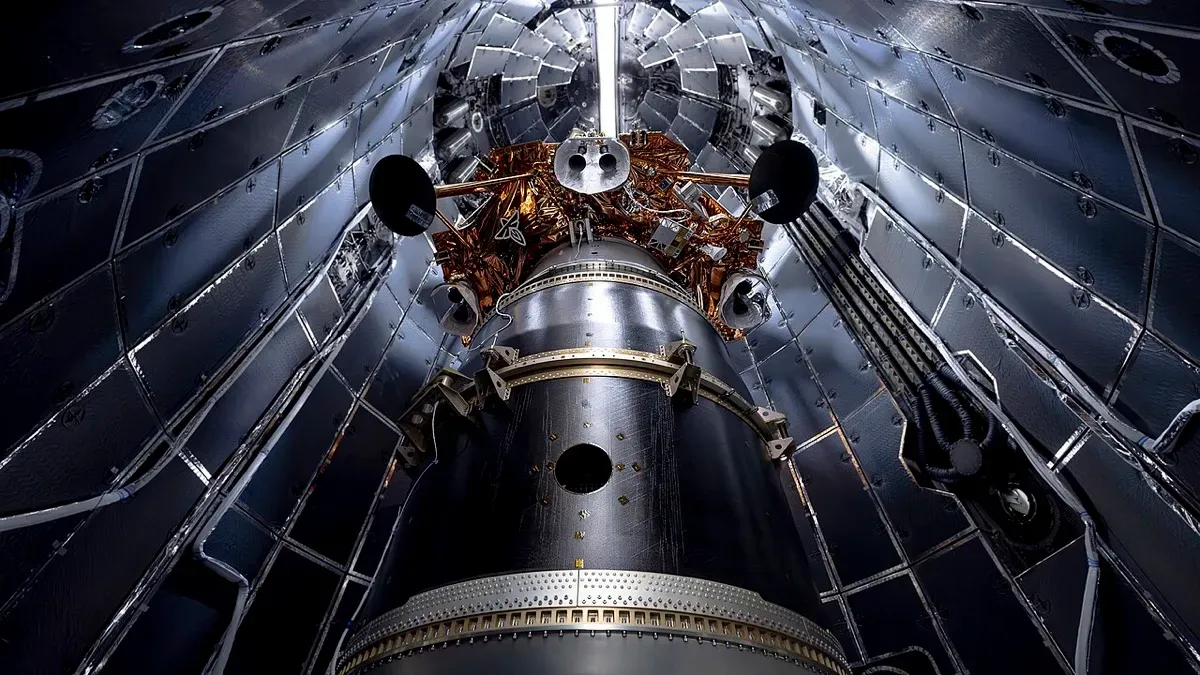
Firefly Blue Ghost: the commercial lunar lander that touched down upright and worked through a full lunar day

In March 2025, a lander built by Texas company Firefly Aerospace settled gently onto the Moon and ran ten NASA experiments for two weeks, from drilling into the soil to tracking Europe's Galileo navigation signals from the lunar surface. Blue Ghost showed that a private company can deliver science to the Moon reliably. Firefly is now building landers for the far side and the Gruithuisen Domes.

Advanced technology · Deep space exploration

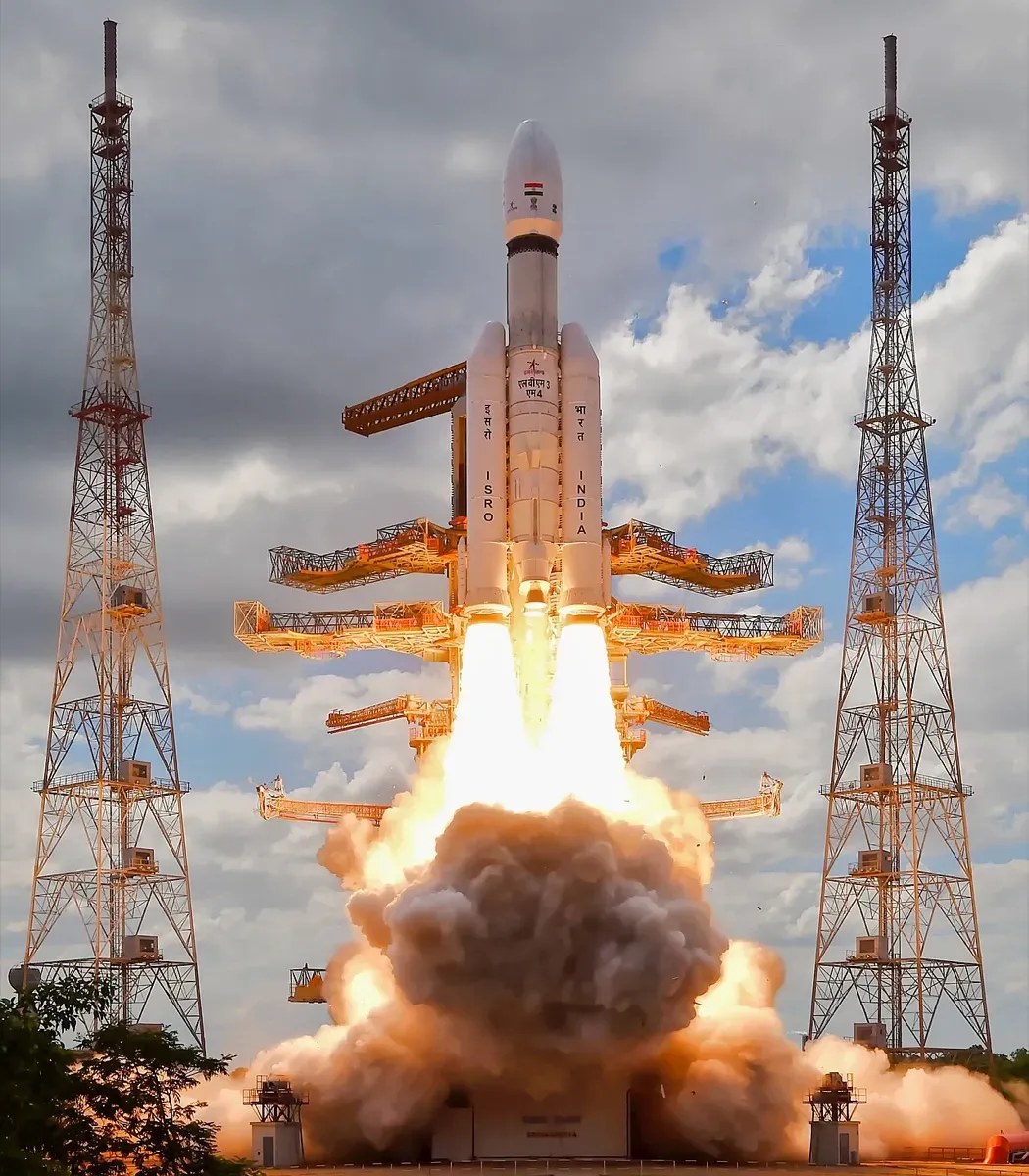
Godrej Aerospace: the Mumbai factory that builds engines for India's Moon and Mars missions

When Chandrayaan-3 lifted off for the Moon in July 2023, the engines in its rocket's core stage and the thrust chamber of its cryogenic upper stage had been made in a Mumbai suburb better known for locks and steel cupboards. Godrej Aerospace has supplied ISRO for decades and has now delivered the first human-rated engine for India's crewed Gaganyaan programme.

Advanced technology · Deep space exploration

OHB Hera: the German-built spacecraft checking whether we can knock a dangerous asteroid off course

In 2022, NASA's DART spacecraft deliberately crashed into a small asteroid moon to nudge its orbit. Europe's Hera, built by OHB in Bremen, has now travelled two years to the scene to measure exactly what happened. Its findings will help turn asteroid deflection into a reliable way to protect Earth.

Advanced technology · Deep space exploration

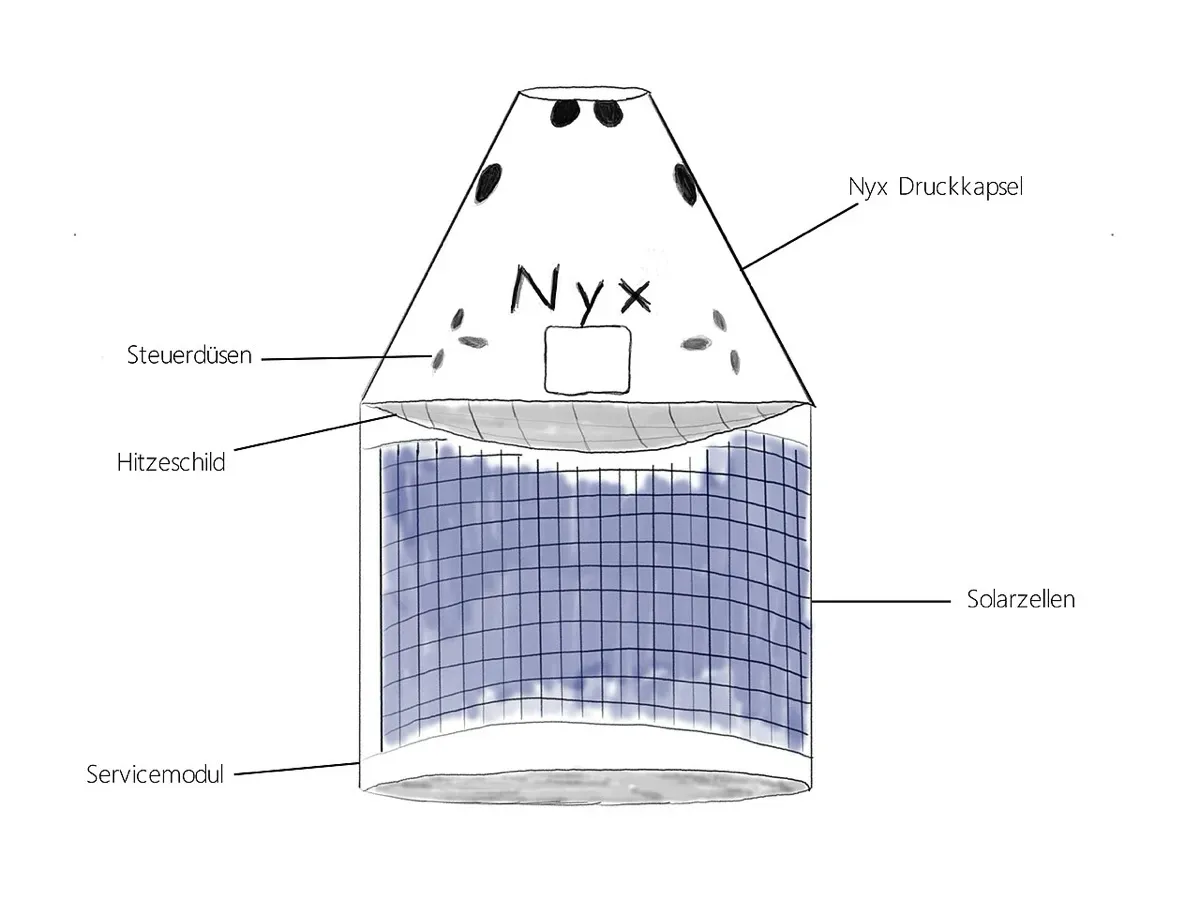
The Exploration Company Nyx: Europe's first reusable cargo capsule, built to bring space station science home

Only American spacecraft can currently bring cargo back from the International Space Station. The Exploration Company, a five-year-old European start-up, is building Nyx, a reusable capsule designed to carry three tonnes of cargo up and back. In September 2026 ESA backed it with a €760 million contract.

Advanced technology · Extreme environment engineering

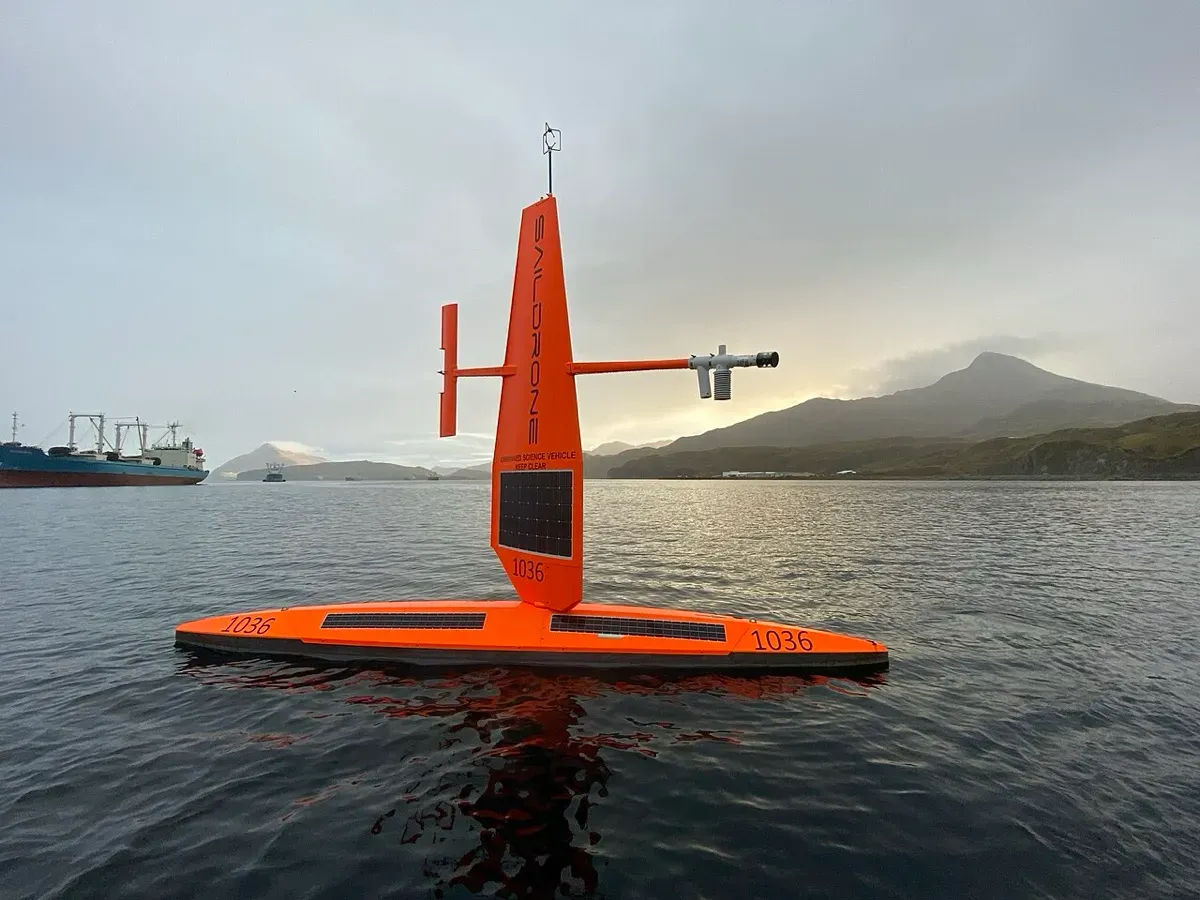
Saildrone Explorer: the wind-powered robot boat sailing around Antarctica to measure the ocean's carbon sink

The Southern Ocean absorbs a huge share of humanity's carbon dioxide, yet in winter almost nobody goes there to measure it. On 20 September 2026, a seven-metre orange robot sailboat left Hobart on a 22,000 km voyage around Antarctica. It is the first of four Saildrone Explorers that will circle the continent for five years, filling one of climate science's biggest data gaps.