The problem
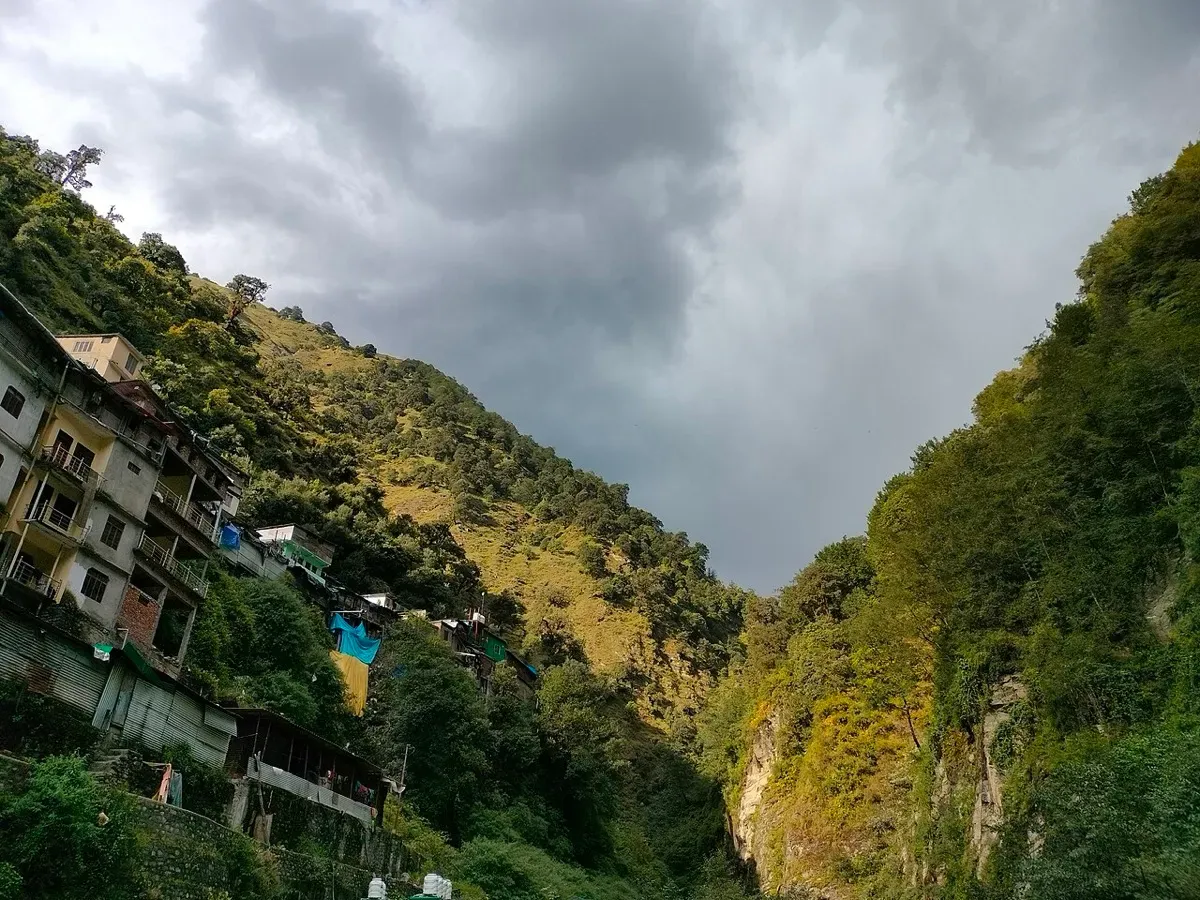
Up to 50,000 pilgrims a day walk the 16 km trail to Kedarnath during the season, and Uttarakhand’s government estimates that 20,000 to 30,000 plastic bottles and wrappers used to be left on the route every day (Government of Uttarakhand). Recykal reported in 2022 that daily waste at Kedarnath had doubled from about 5,000 kg in 2019 to 10,000 kg, and that much of the packaging ended up on slopes where it is very hard to collect (Recykal). Collecting litter from steep slopes and streams at over 3,500 metres is slow, expensive and dangerous, and officials warned that the waste could add to erosion problems.
Goa faces the same problem on its beaches. The state generates about 800 tonnes of waste a day, about half non-biodegradable, while its facilities can handle around 450 tonnes a day (Hindustan Times). Bottles have little value once empty, so many are simply thrown away.
The product
Recykal’s system has two parts. The digital deposit refund system adds a refundable deposit to each container and a unique QR code that links it to a cloud database. When the container comes back, the code is scanned and the deposit is refunded, while the same code stops anyone claiming twice.
The reklaim Pro reverse vending machine is the hardware for collection points. Recykal says it uses AI and IoT sensors to recognise a container in under 40 milliseconds, accepts two containers a second, uses drop sensors to stop fraud, compacts the material and pays refunds instantly by UPI (Recykal). Where machines are not practical, staffed collection points scan the codes by phone. On the Kedarnath route, Recykal set up collection points in markets, car parks, police posts and near the temple, and moved the material to a segregation and baling hub at Sonprayag that it owns and runs. The district administration receives live data on deposits taken, refunds paid and material collected.
How it works
- Register: producers and brands that sell in the scheme area register and pay a deposit per container.
- Tag: each container carries a unique QR code (in Kedarnath, a sticker with a ₹10 deposit).
- Buy: the shopper pays the deposit on top of the price.
- Return: the empty container goes into a reklaim machine or to a collection point; the code is scanned.
- Refund: the deposit is paid back by UPI or in cash; material is baled and sent to recyclers.
- Unclaimed deposits: if a visitor throws a container away, waste pickers (safai saathis) who bring it in receive the deposit instead, which turns litter into income.
Timeline
| Date | Milestone |
|---|---|
| 2016 | Recykal founded in Hyderabad |
| Apr 2022 | Digital DRS launched on the Kedarnath route with ₹10 QR deposits and a baling hub at Sonprayag |
| May 2023 | Scheme extended to Gangotri |
| May 2024 | Scheme extended to Badrinath |
| Jun 2026 | USD 23 million bridge round; first Goa DRS machines installed |
| 1 Apr 2027 | Goa statewide DRS start, after deferral from 1 Sep 2026 |
Impact and numbers
- Uttarakhand: 14,59,350 QR codes issued and 10,57,116 claimed (72%), with 58,175 kg of waste collected. Annual return rates were 55% (2022-23), 63% (2023-24), 88% (2024-25) and 65% (2025-26) (Government of Uttarakhand).
- Goa: more than 100 machines installed, 69 in North Goa and 31 in South Goa, at beaches, forts and villages (Times of India). Deposits are ₹10 on liquor bottles, ₹5 on most items and ₹2 on products under ₹20; products under ₹5 are exempt. At least 300 collection centres are planned, rising to 500.
- Company: a USD 23 million bridge round in June 2026 brought total funding to over USD 35 million, and early backer Circulate Capital exited with about five times its money; FY26 gross revenue was ₹1,498 crore, up 53.2%. Recykal reports DRS pilots in Goa, Himachal Pradesh, Kerala, Tamil Nadu and Bhutan (Inc42).
Honest caveats. The machine specifications are Recykal’s own. The Uttarakhand report does not name Recykal, and its figures cover the whole state scheme. The return rate of 65% in 2025-26 is far below Europe’s mature schemes, and the total collected (58 tonnes over four years) is small. Goa’s DRS was due on 1 April 2026, then 1 September 2026, and is now deferred to 1 April 2027 because of a conflict between DRS and excise QR codes on liquor bottles; producers must register by 28 February 2027 (The Goan). Goa’s distributors’ association has called the scheme “anti-consumer”, noting that a damaged QR code means a lost deposit and that buyers taking products out of the state cannot claim refunds. Recykal’s target return rate of 95 to 96% in Goa is a goal, not a result. Most of Recykal’s business is its B2B marketplace for recyclable materials and its software for brands’ EPR compliance; DRS is a new and still small line (Inc42).
What’s next
Goa will test whether digital deposits can work across a whole state, starting with liquor bottles. If the excise and DRS codes are merged smoothly, the scheme could later cover plastic, aluminium and multi-layer packaging as well. Uttarakhand is considering expanding to Mussoorie, Nainital, Haridwar and Rishikesh. Recykal says it plans to take its systems to other countries, including Europe and the UK.
Why it matters for Europe / green buyers
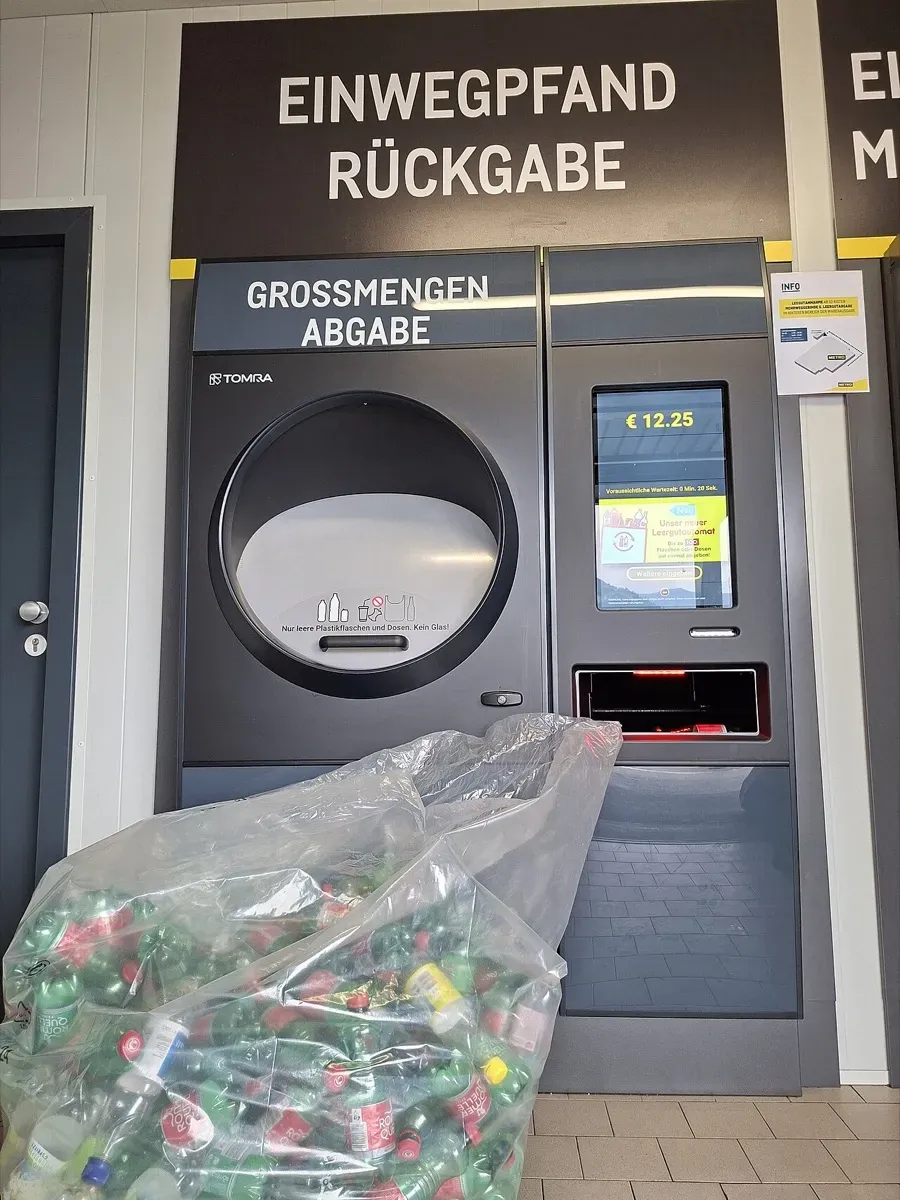
The EU’s Packaging and Packaging Waste Regulation (EU) 2025/40 requires member states to set up deposit return systems for single-use plastic bottles and metal drinks cans by 1 January 2029, unless they already collect 80% separately, with a 90% collection target (EUR-Lex). Most European schemes use high-end machines, such as TOMRA’s, at supermarkets. Recykal’s QR-code model shows a cheaper option for places where retail is fragmented, such as small islands, mountain areas or tourist sites.
In India, plastic EPR rules already require producers to collect packaging, and state schemes in Uttarakhand and Goa are the first real tests of deposits. If Goa succeeds, other states with heavy tourism, such as Kerala and Himachal Pradesh, could follow.
Sources & image credits
- Recykal, “Reverse vending machines in 2025: what you need to know”: https://www.recykal.com/featured/reverse-vending-machines-in-2025-what-you-need-to-know
- Recykal, “Plastic deposit refund system in Kedarnath”: https://www.recykal.com/articles/plastic-deposit-refund-system-in-kedarnath
- Government of Uttarakhand, report on the digital deposit refund system in the Char Dham region (June 2026, PDF): https://cdnbbsr.s3waas.gov.in/s38208974663db80265e9bfe7b222dcb18/uploads/2026/06/20260622821588728.pdf
- Hindustan Times, “MRP+ refundable deposit from April 1: Goa’s big clean-up gamble” (31 Jan 2026): https://www.hindustantimes.com/india-news/goa-to-roll-out-statewide-deposit-refund-scheme-from-april-1-to-curb-plastic-and-glass-waste-101769759344400.html
- Times of India, “Over 100 machines installed as state heads towards Sept 1 DRS rollout” (2026): https://timesofindia.indiatimes.com/city/goa/over-100-machines-installed-as-state-heads-towards-sept-1-drs-rollout/articleshow/132337010.cms
- The Goan, “Govt now defers DRS rollout to April 2027” (Aug 2026): https://www.thegoan.net/goa-news/govt-now-defers-drs-rollout-to-april-2027/152285.html
- Inc42, “Recykal bags USD 23 Mn to take its waste management solutions global” (Jun 2026): https://inc42.com/buzz/recykal-bags-23-mn-to-take-its-waste-management-solutions-global/
- EUR-Lex, Regulation (EU) 2025/40 on packaging and packaging waste: https://eur-lex.europa.eu/eli/reg/2025/40/oj/eng
Images:
- “Kedarnath trekking” by Imjha1, 2022, licensed under CC BY-SA 4.0 (https://creativecommons.org/licenses/by-sa/4.0), via Wikimedia Commons: https://commons.wikimedia.org/wiki/File:Kedarnath_trekking.jpg