
Reduced Inequalities

The gap narrowed — within countries, and between them.

7Insights tagged

Tagged with Goal 10

Advanced technology · Extreme environment engineering

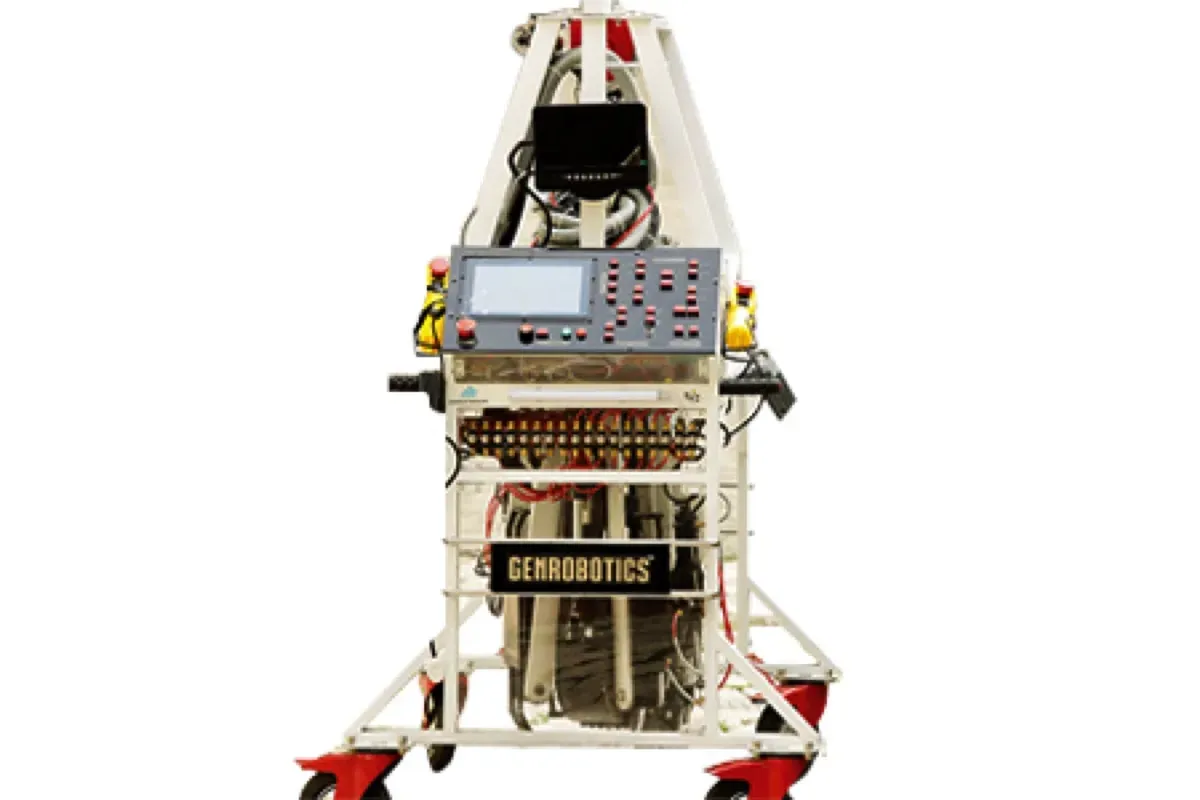
Genrobotics Bandicoot: the Kerala robot that goes into toxic sewers so people don't have to

Every year, sanitation workers in India die inside sewers and septic tanks, overcome by toxic gas or drowned in sludge. A group of young engineers from Kerala built Bandicoot, a robot that climbs down a manhole and does the cleaning while the operator stays at the surface. It now works in more than 180 towns and cities across 23 states.

Advanced technology · Neural interfaces

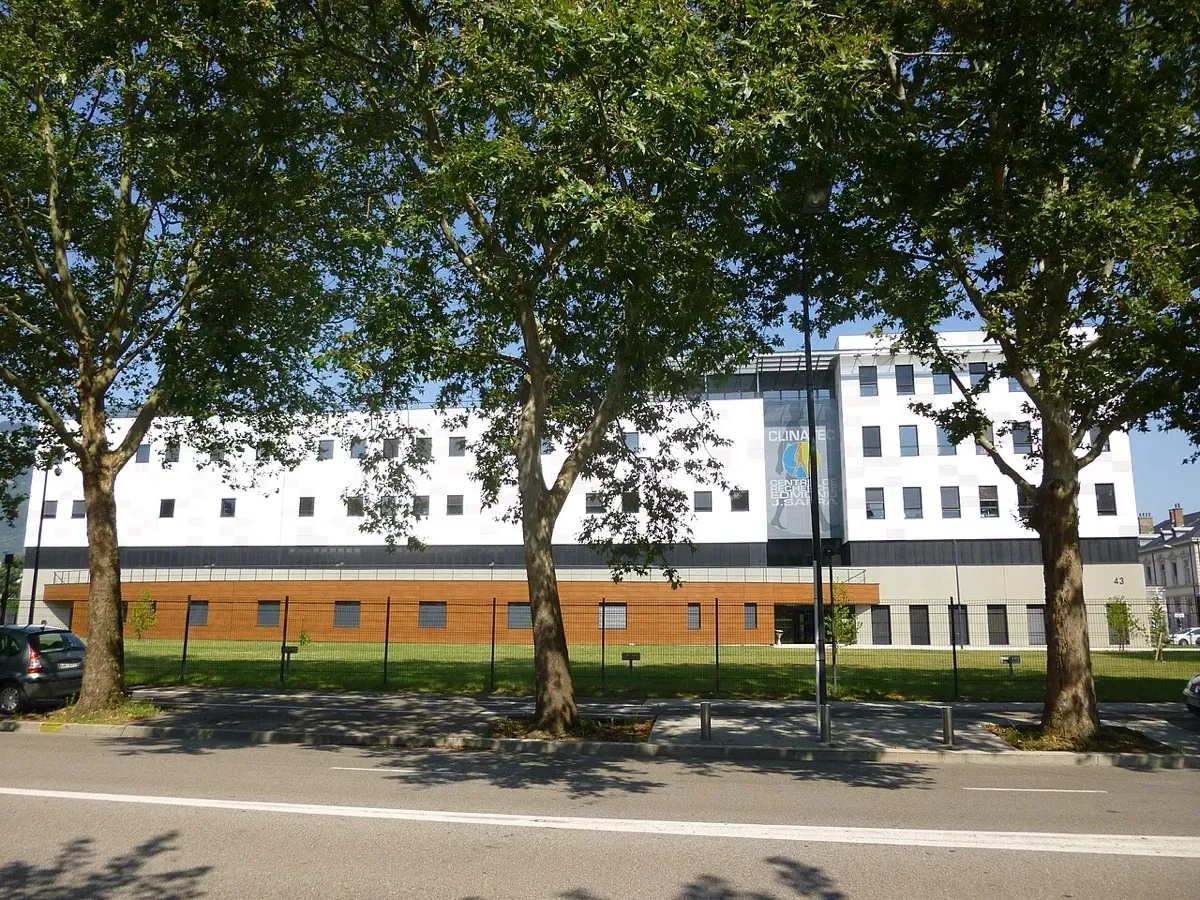
CEA Clinatec WIMAGINE: the French wireless brain implant behind the digital bridge, now tested for stroke recovery

In 2023 a Dutch man paralysed in a cycling accident said he had regained the pleasure of sharing a beer standing at a bar with friends, after learning to walk again by thought. The brain half of that "digital bridge" was WIMAGINE, a wireless implant built by France's public research body CEA at its Clinatec centre in Grenoble. In June 2026 the same implant went into its first stroke patient, in a trial to see whether brain-driven therapy can restore arm movement.

Advanced technology · Neural interfaces

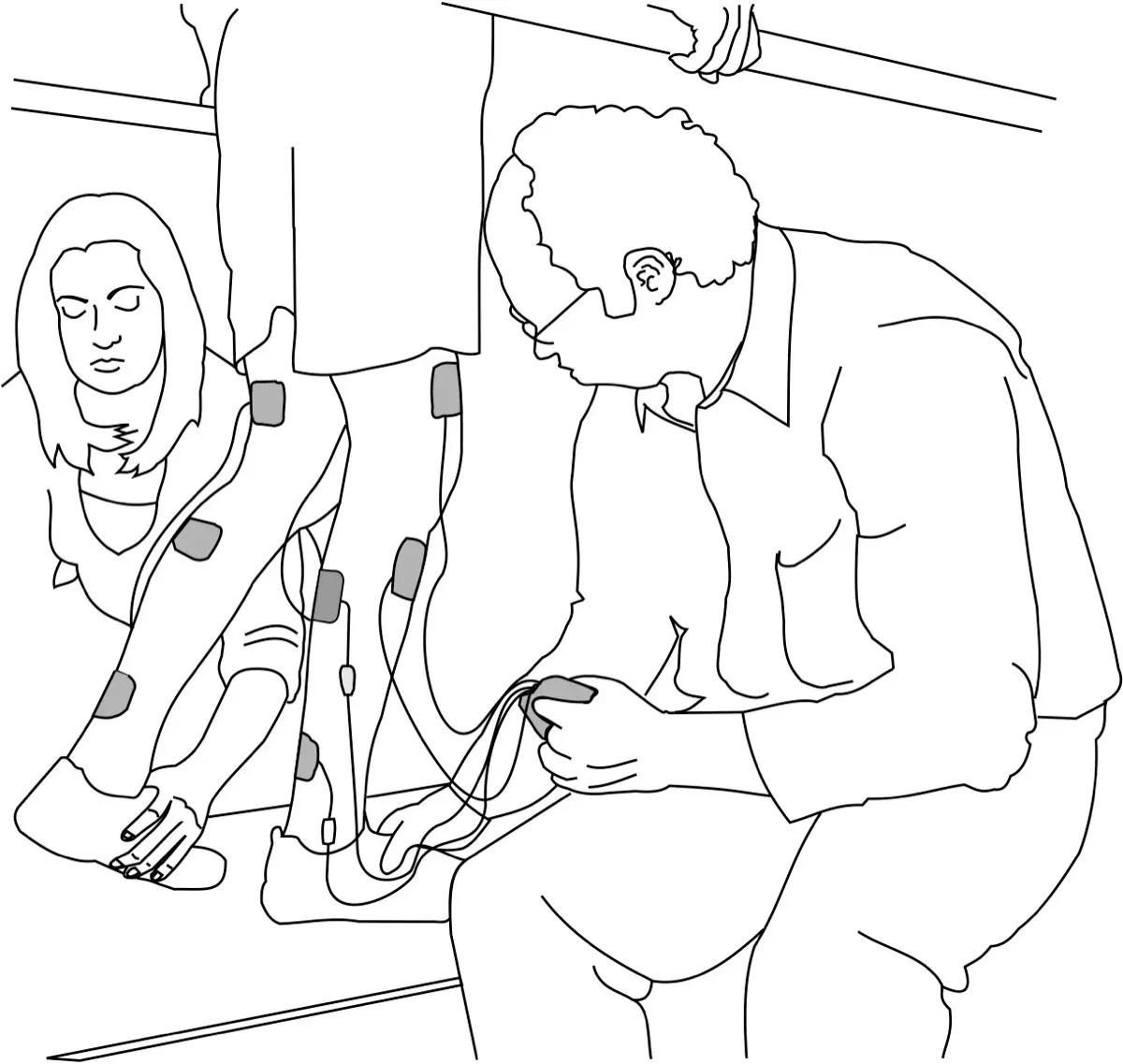
g.tec recoveriX: an Austrian brain-computer interface that helps stroke survivors relearn movement by imagining it

After a stroke, many people cannot move a hand or lift a foot, and conventional therapy often stalls. recoveriX, made by g.tec medical engineering in Austria, reads brain activity through an EEG cap. Only when the patient correctly imagines a movement does an avatar move on screen and an electrical stimulator move the real limb. It is one of the few brain-computer interfaces already used as therapy in ordinary clinics.

Advanced technology · Neural interfaces

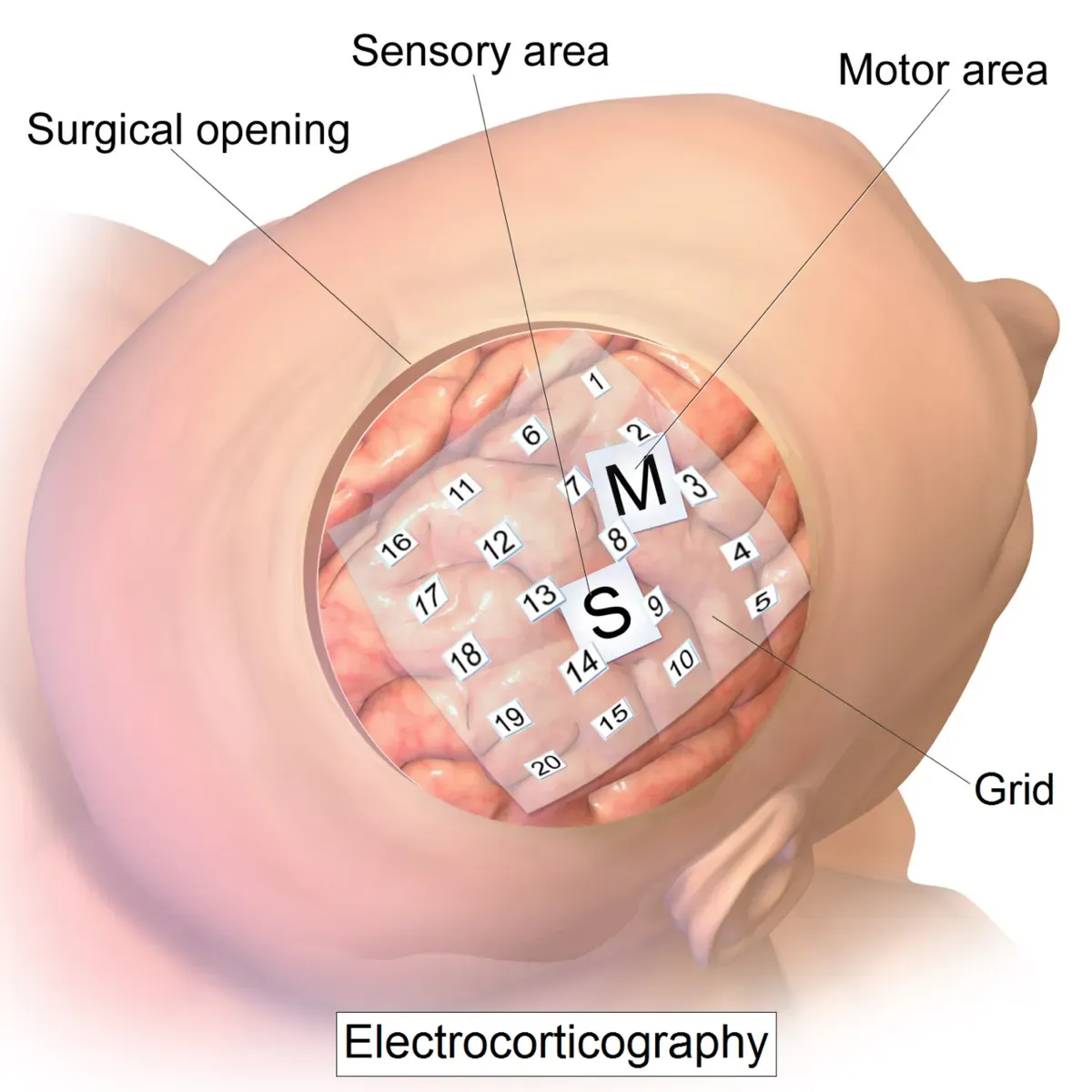
INBRAIN Neuroelectronics: a graphene brain interface from Barcelona, ten micrometres thin, tested in human brain surgery

Metal electrodes on the brain are stiff, bulky and blind to fine detail. INBRAIN Neuroelectronics, a spin-off from the Catalan Institute of Nanoscience and Nanotechnology (ICN2) and Spain's research council CSIC, replaces the metal with graphene, a sheet of carbon one atom thick. Its flexible implant is about 10 micrometres thick. In 2026 it completed the world's first clinical study of a graphene device in direct contact with the human nervous system.

Advanced technology · Neural interfaces

ONWARD ARC-EX: non-invasive spinal cord stimulation that helps people with spinal cord injury regain hand strength

For people paralysed in the neck, getting back even a little hand strength can mean feeding themselves or holding a phone. ONWARD Medical, headquartered in Eindhoven with its engineering centre in Switzerland, makes ARC-EX, a stimulator that sends programmed pulses to the spinal cord through electrodes on the skin. It is the first such system cleared in the United States, and it now has a CE mark in Europe.

Advanced technology · Neural interfaces

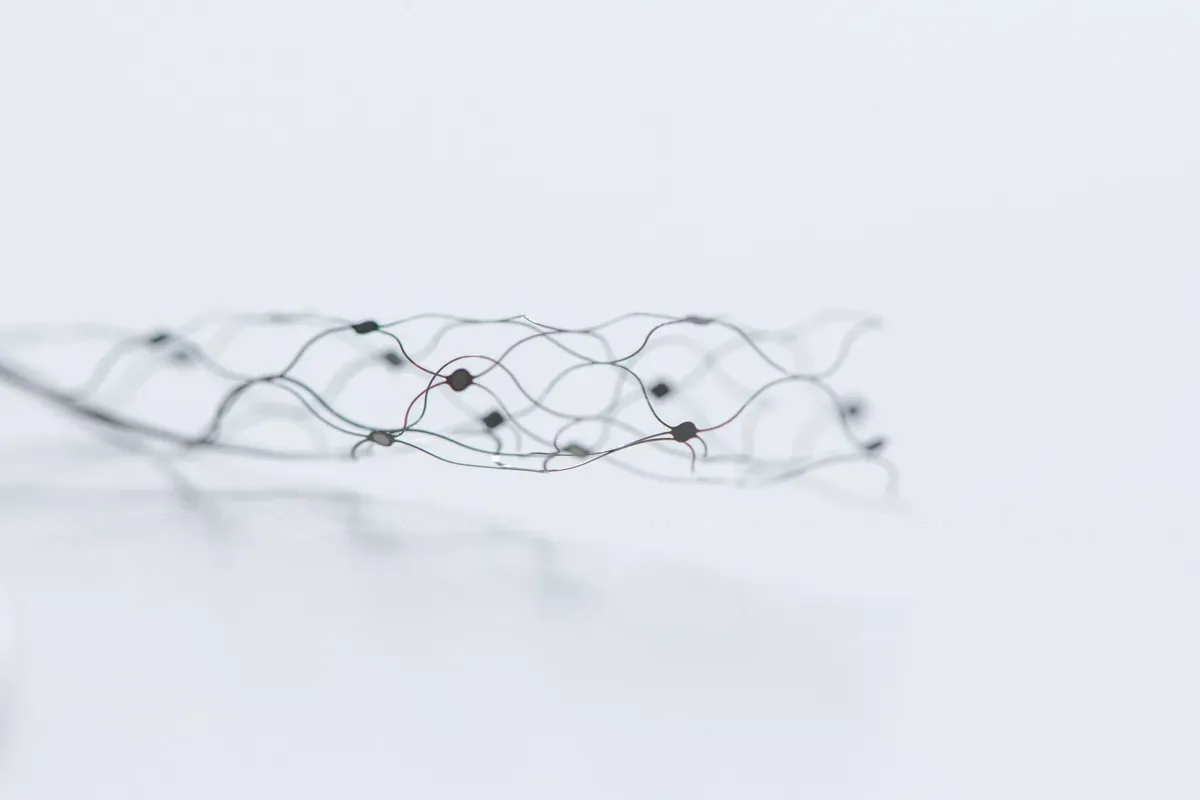
Synchron Stentrode: a brain-computer interface delivered through a vein, letting people with paralysis control phones and computers by thought

Most brain implants need a hole in the skull. Synchron's Stentrode does not. Mounted on a tiny stent, it is threaded up through the jugular vein into a blood vessel beside the brain's motor cortex, where it picks up the signals of intended movement. People with severe paralysis have used it to click, text and control an iPad, Amazon Alexa and Apple Vision Pro.