Good Health and Well-Being

Health held for every age — lives that can last, and be well.

36Insights tagged

Tagged with Goal 3

Technology · Agriculture

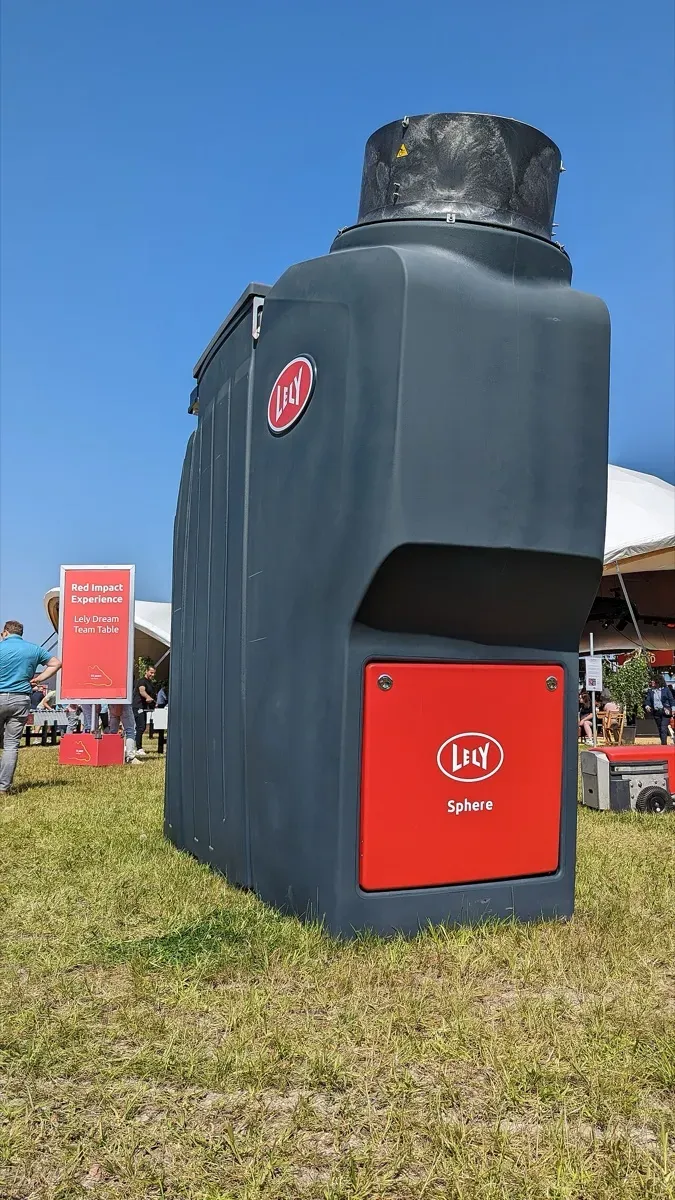
Lely Sphere: the Dutch barn system that turns cow-shed ammonia into fertiliser

In a dairy barn, ammonia starts forming within hours once urine meets dung. In the Netherlands, that gas settles on protected nature and has frozen farm permits since 2019. Lely, the family firm best known for milking robots, built a barn system that keeps urine and dung apart, pulls the gas out of the manure pit and binds it into a liquid fertiliser. In February 2026 a Dutch province granted the first final nature permit based on it.
Green architecture · Green buildings

Strawcture Eco AgriBioPanel: Indian crop stubble pressed into building boards, now sold in Europe

Every autumn, farmers in north India burn millions of tonnes of rice straw, and Delhi chokes. Strawcture Eco buys that straw and presses it into wall and ceiling boards.

Green architecture · Micro climate systemsAbout Ant Studio

CoolAnt Beehive: a Delhi architect's terracotta wall that cools hot air without refrigerants

Indian households have cooled drinking water in clay pots for centuries. Ant Studio turned the idea inside out, cooling air by blowing it through wet terracotta cones.

Eco-restoration · Sustainable forestry

Husqvarna 542i XP: a professional battery chainsaw with a clutch, built for forest work

A Swedish battery saw with the power of a 40cc petrol model and a clutch that protects the chain and motor, aimed at thinning crews and arborists who want less noise, less vibration and no exhaust.

Planetary engineering · Solar radiation management

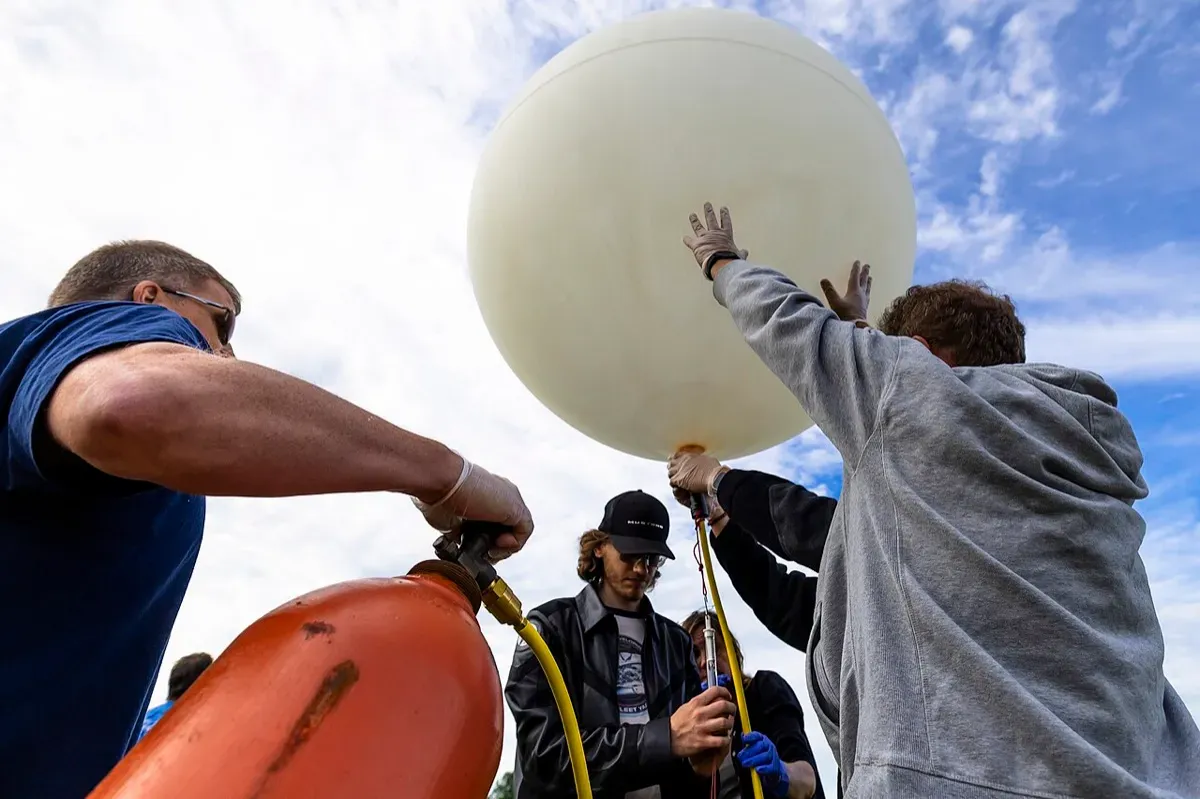
Make Sunsets: the US start-up selling sulphur dioxide balloon launches as cooling credits, and why regulators are alarmed

A two-person company fills weather balloons with sulphur dioxide, lets them burst in the stratosphere and sells the result as "Cooling Credits". It is the most controversial product in this series: tiny in physical scale, but a direct test of who gets to decide whether humans dim the sun.

Planetary engineering · Solar radiation management

Thermacool: the IIT Bombay cool roof coating that India's heat policies are making mainstream

A roof coating developed at IIT Bombay and sold by a small New Delhi company, designed to bounce back the near-infrared part of sunlight that heats concrete and tin roofs. As Indian states start to require cool roofs, products like this are moving from pilot projects to building permits.

Advanced technology · Extreme environment engineering

Createc N-Visage: the Cumbrian camera that sees radiation in 3D, from Sellafield to Fukushima

Cleaning up old nuclear sites means sending people into rooms where nobody knows how radioactive things are. A small company in Cockermouth, Cumbria, builds a gamma camera that maps radiation hot spots in three dimensions from a safe distance. Sellafield calls it the only instrument that meets its needs, and versions of it have looked inside Fukushima's damaged reactors.

Advanced technology · NanoTech

Elmarco Nanospider: the Czech machine that spins nanofibres by the square kilometre for cleaner air and water

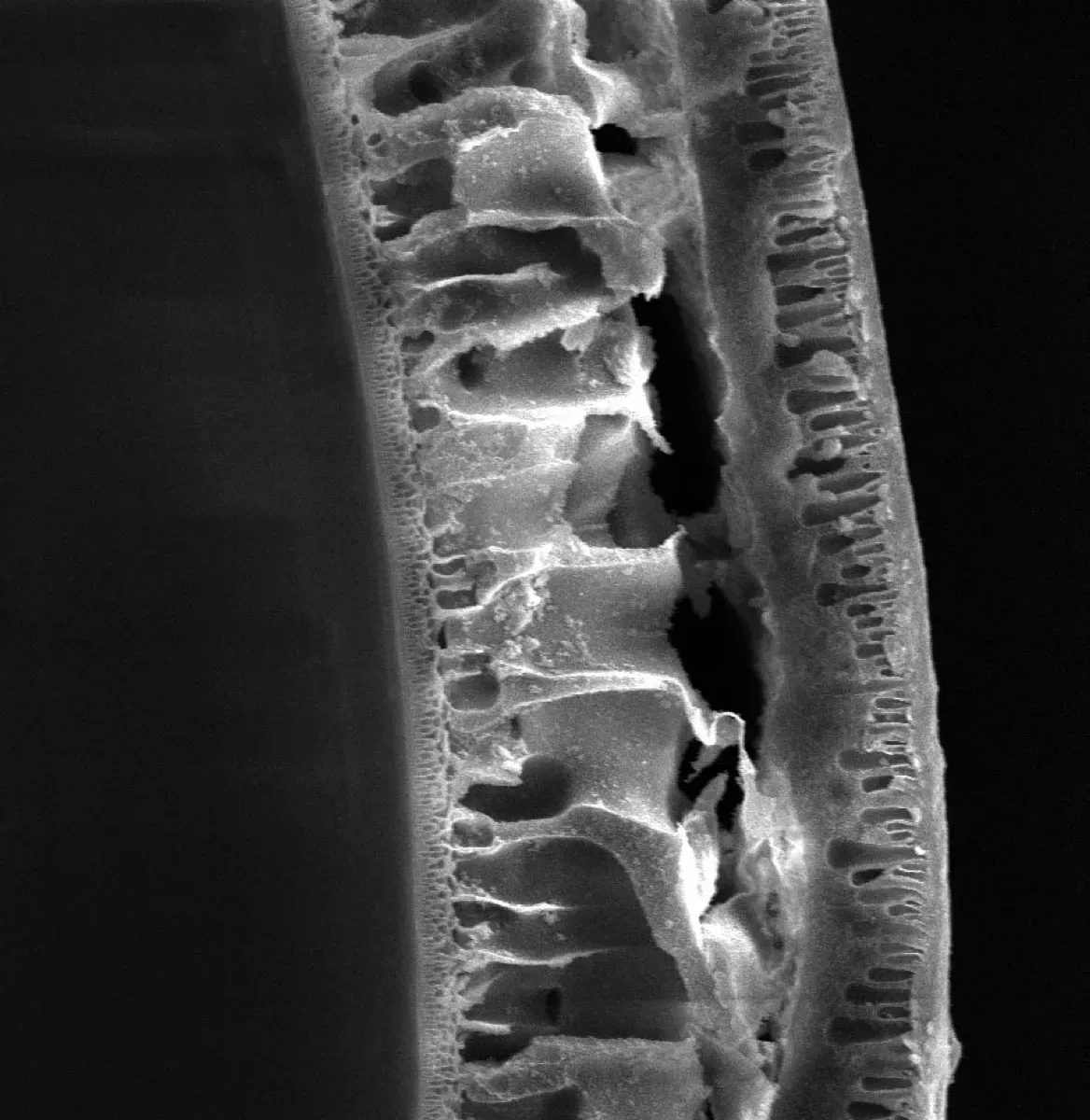
Nanofibres, hundreds of times thinner than a human hair, make excellent filters, battery separators and wound dressings. The problem has always been making enough of them. In Liberec, in the north of the Czech Republic, Elmarco turned a university invention into the first industrial machines that spin nanofibres without needles, in webs up to two metres wide. In 2026 its team was a finalist for the European Inventor Award.

Advanced technology · NanoTech

NX Filtration: the Dutch nano-membranes that pull PFAS and parasites out of drinking water without chemicals

"Forever chemicals" are turning up in rivers and lakes across Europe, and old treatment plants struggle to remove them. A company in Hengelo makes hollow fibres with nanometre-scale pores that hold back PFAS, pesticides and pathogens while letting useful minerals through. In 2026 it won its biggest order yet: the membranes for what it says will be the world's largest plant of its kind, in Östersund, Sweden.

Advanced technology · Neural interfaces

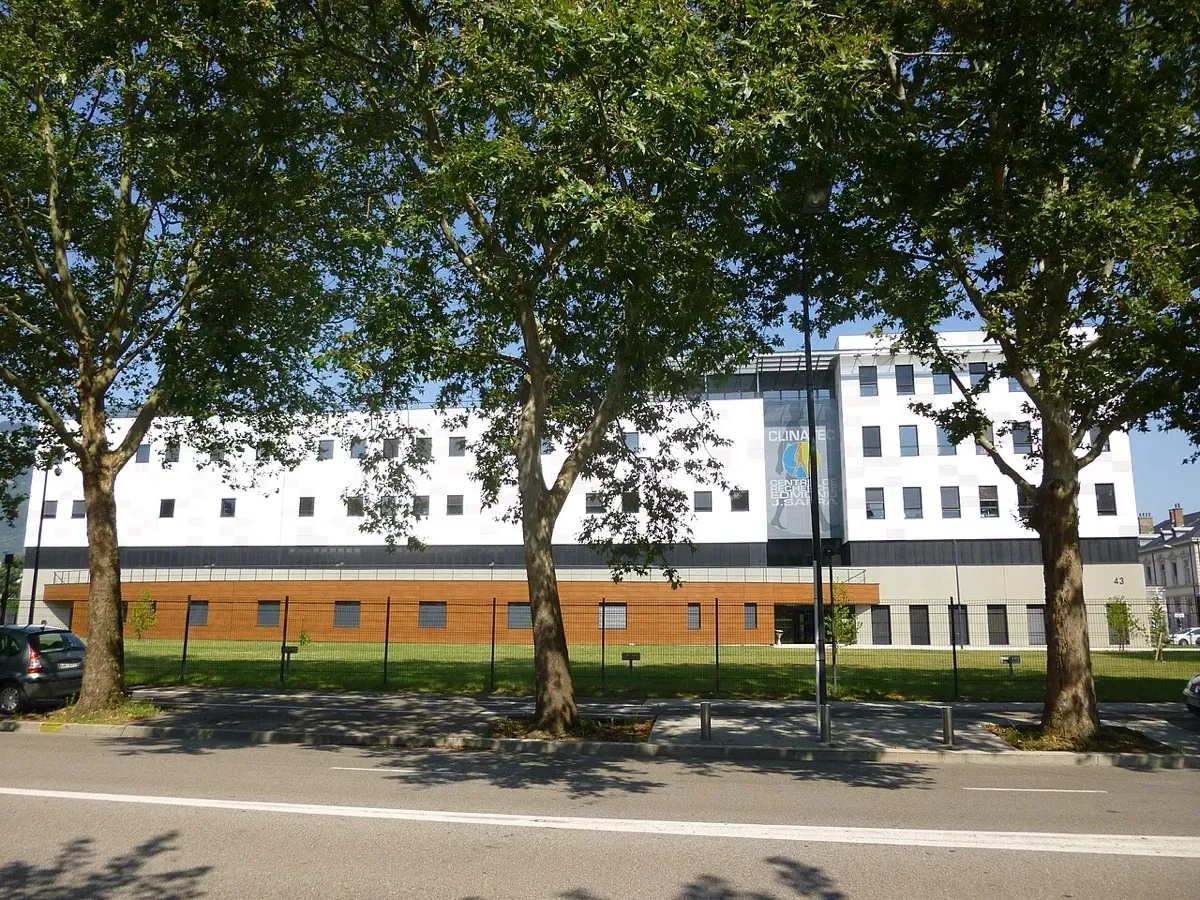
CEA Clinatec WIMAGINE: the French wireless brain implant behind the digital bridge, now tested for stroke recovery

In 2023 a Dutch man paralysed in a cycling accident said he had regained the pleasure of sharing a beer standing at a bar with friends, after learning to walk again by thought. The brain half of that "digital bridge" was WIMAGINE, a wireless implant built by France's public research body CEA at its Clinatec centre in Grenoble. In June 2026 the same implant went into its first stroke patient, in a trial to see whether brain-driven therapy can restore arm movement.

Advanced technology · Neural interfaces

g.tec recoveriX: an Austrian brain-computer interface that helps stroke survivors relearn movement by imagining it

After a stroke, many people cannot move a hand or lift a foot, and conventional therapy often stalls. recoveriX, made by g.tec medical engineering in Austria, reads brain activity through an EEG cap. Only when the patient correctly imagines a movement does an avatar move on screen and an electrical stimulator move the real limb. It is one of the few brain-computer interfaces already used as therapy in ordinary clinics.

Advanced technology · Neural interfaces

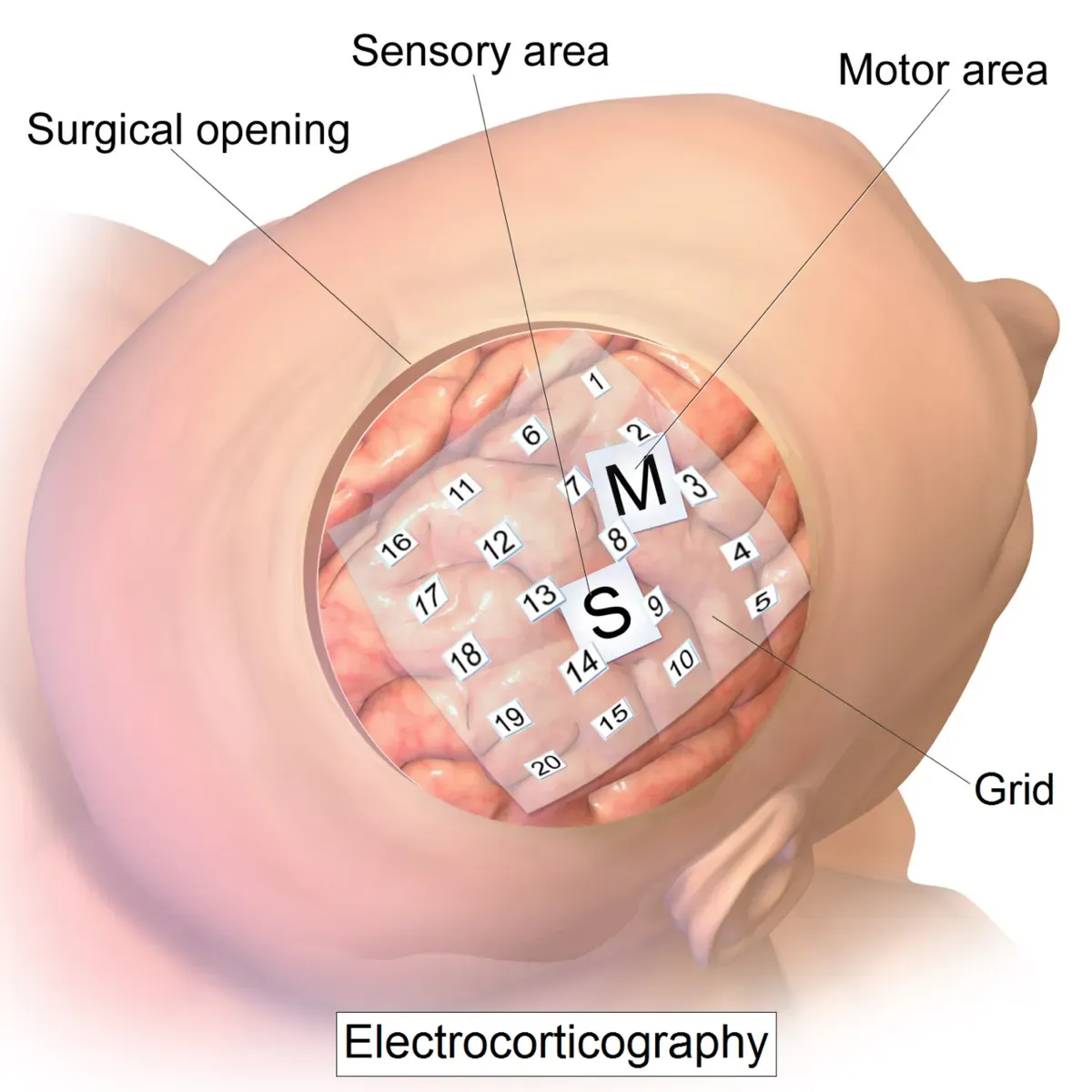
INBRAIN Neuroelectronics: a graphene brain interface from Barcelona, ten micrometres thin, tested in human brain surgery

Metal electrodes on the brain are stiff, bulky and blind to fine detail. INBRAIN Neuroelectronics, a spin-off from the Catalan Institute of Nanoscience and Nanotechnology (ICN2) and Spain's research council CSIC, replaces the metal with graphene, a sheet of carbon one atom thick. Its flexible implant is about 10 micrometres thick. In 2026 it completed the world's first clinical study of a graphene device in direct contact with the human nervous system.

Advanced technology · Neural interfaces

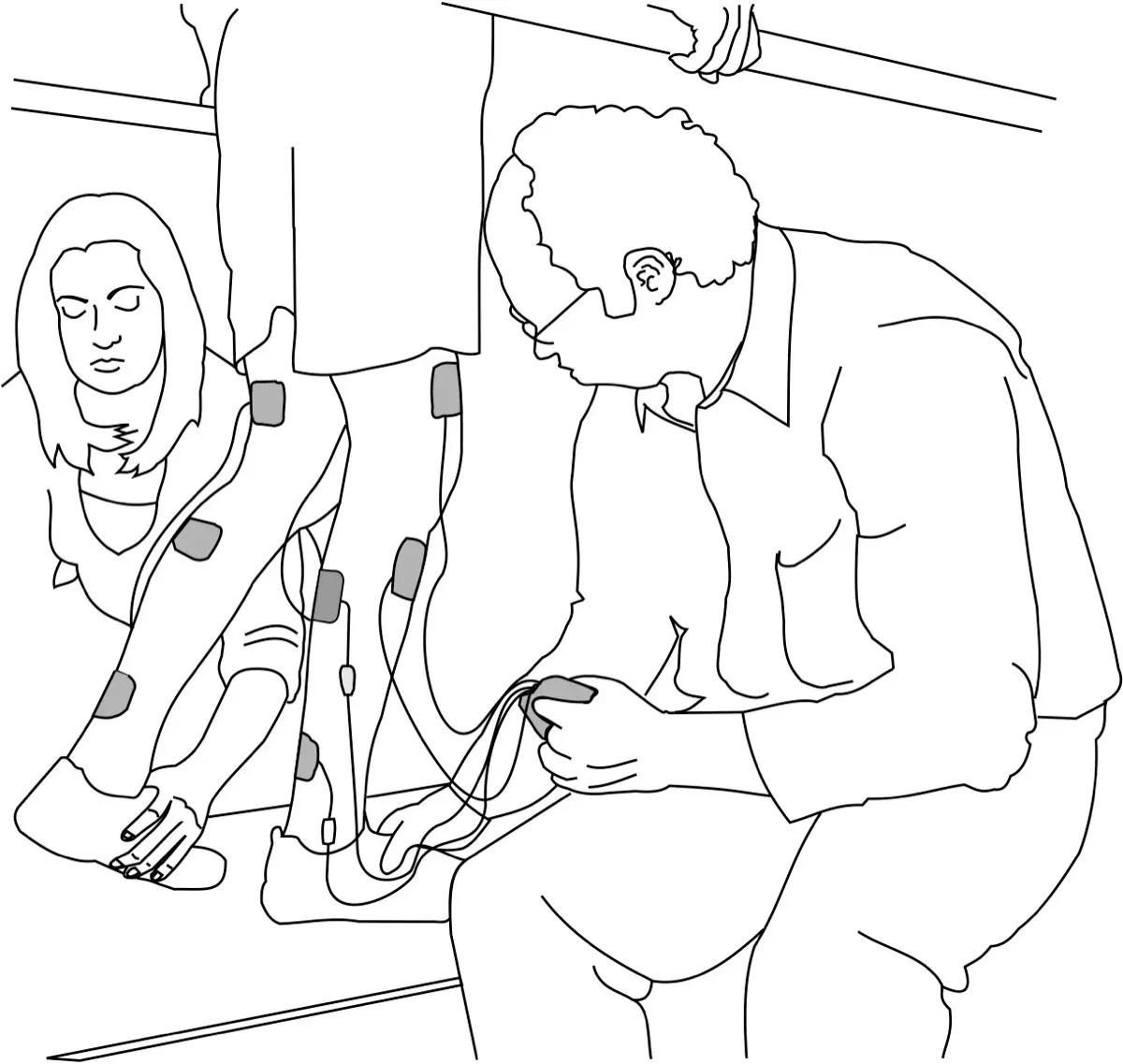
ONWARD ARC-EX: non-invasive spinal cord stimulation that helps people with spinal cord injury regain hand strength

For people paralysed in the neck, getting back even a little hand strength can mean feeding themselves or holding a phone. ONWARD Medical, headquartered in Eindhoven with its engineering centre in Switzerland, makes ARC-EX, a stimulator that sends programmed pulses to the spinal cord through electrodes on the skin. It is the first such system cleared in the United States, and it now has a CE mark in Europe.

Advanced technology · Neural interfaces

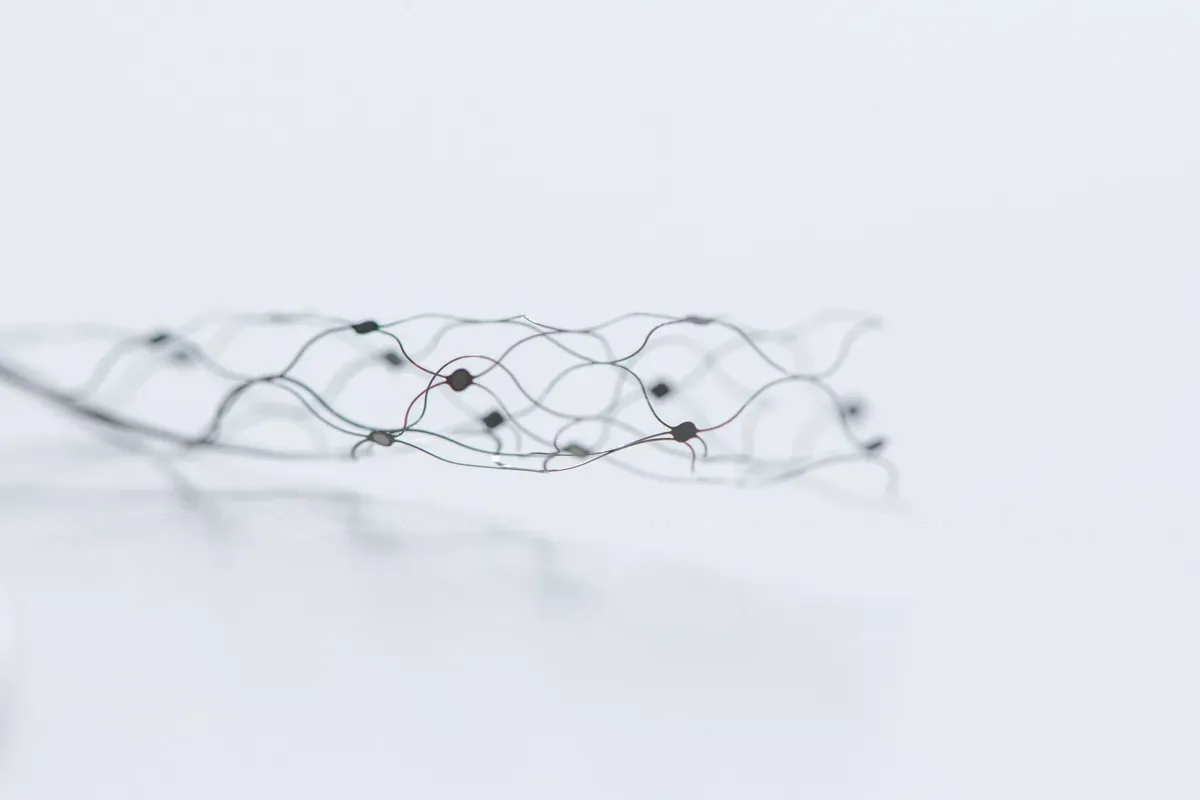
Synchron Stentrode: a brain-computer interface delivered through a vein, letting people with paralysis control phones and computers by thought

Most brain implants need a hole in the skull. Synchron's Stentrode does not. Mounted on a tiny stent, it is threaded up through the jugular vein into a blood vessel beside the brain's motor cortex, where it picks up the signals of intended movement. People with severe paralysis have used it to click, text and control an iPad, Amazon Alexa and Apple Vision Pro.